As a fan of the 1847 novel “Wuthering Heights,” I was initially overjoyed when I found out that it was getting a big-budget Hollywood adaptation. Admittedly, my hopes were high — I envisioned a talented cast, picturesque sets and most importantly, a layered and complex story for the silver screen that would be just as emotionally poignant as the classic.
However, it didn’t take long for that excitement to fade. Throughout the movie’s promotion cycle, director Emerald Fennell and costume designer Jacqueline Durran slowly revealed that their visions for the story didn’t align with the novel at all, from casting white, Australian actor Jacob Elordi to play Heathcliff, a character whose storyline hinges on being a person of color, to describing the clothing as “a kind of fantastical fever dream” while foregoing historical accuracy to the Georgian era. To say the least, it’s been disappointing to watch the filmmakers not only disregard but actively disrespect the source material, even referring to it as “just a book” in response to the backlash.
It would be one thing if this problem began and ended with “Wuthering Heights” (2026), but unfortunately, every adaptation except director Andrea Arnold’s in 2011 has cast a white actor to play Heathcliff, and only a handful have adapted the novel’s second half. For as long as the practice of bringing books to screens has existed, so too has disregarding their contents in favor of a misaligned directorial vision.
That being said, recent years have only seen an increase in this trend, and its impact is astoundingly negative. Due to the rise in popularity of trope-based advertising in online reading spaces like BookTok, movie studios have begun catering to Gen Z audiences with no-nuance, simplified storytelling that boils the source material down to its most basic parts. Additionally, films that would’ve once been rated PG-13 have gradually become racier for shock value, likely as a result of the popularity of overly explicit romantasy among young readers.
Both of these effects are obvious in “Wuthering Heights” — not only has the movie’s marketing hinged on clichés like “the jealousy trope,” but Fennell’s vision is centered around turning a story about generational trauma and cycle-breaking into a dark, mature romance. Similar choices are also present in other recently released adaptations of classic literature, such as “Frankenstein” (2025). Prioritizing director Guillermo del Toro’s wish to tell a story about father/son relationships over Mary Shelley’s original authorial intent, the film spoonfed its themes to viewers with painfully unsubtle lines of dialogue while altering scenes that made characters seem morally gray. There’s a deep distrust of modern audiences baked into these films, and it always manages to rear its ugly head.
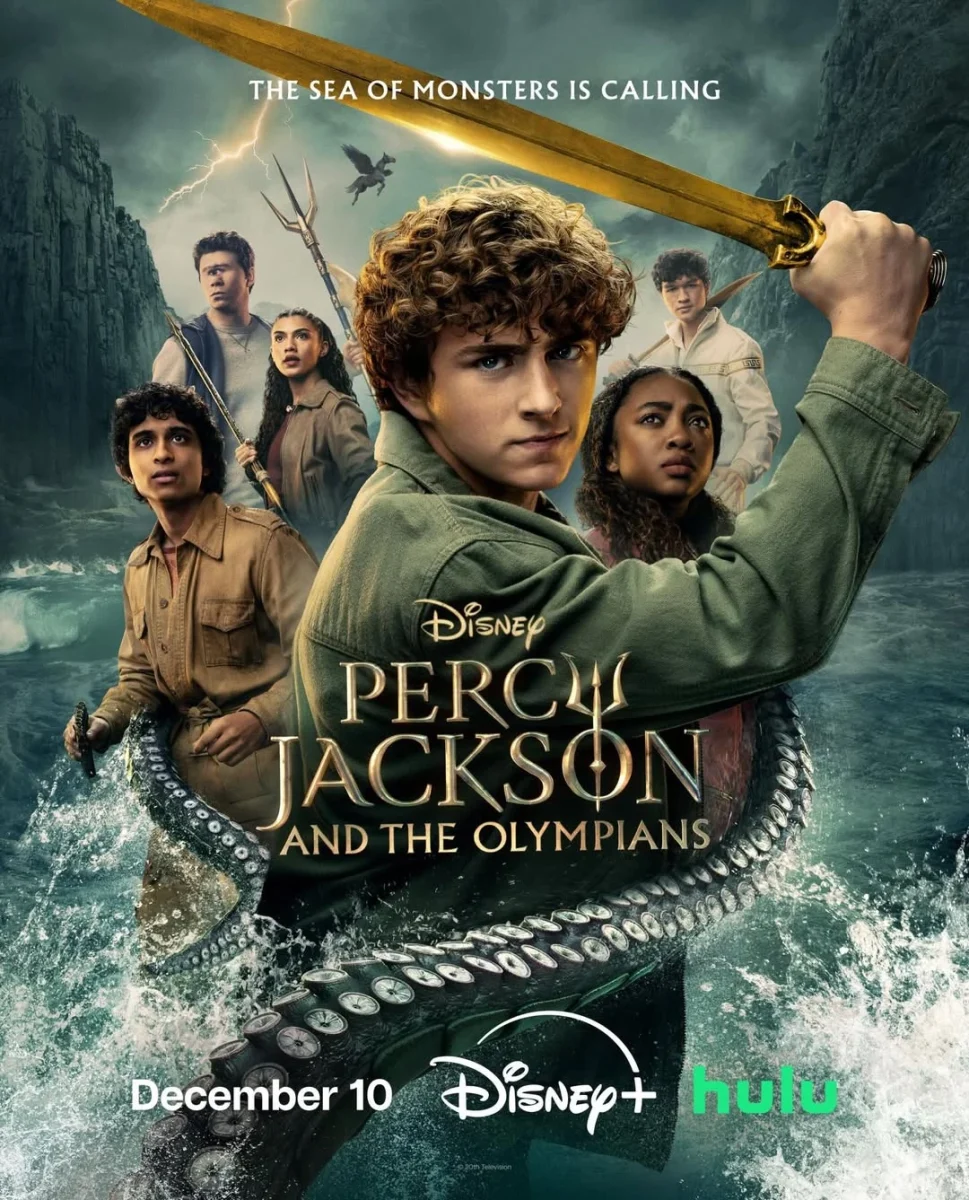
However, analyzing what media Gen Z actually enjoys and remembers makes it clear that this distrust is unfounded. Movies like “Pride & Prejudice” (2005) and all four films in “The Hunger Games” franchise have become modern classics largely because of their allegiance to the originals, not in spite of it, and none of the books’ more complex themes were toned down or sanitized. Even more recently, Disney’s “Percy Jackson and the Olympians” has become an instant hit because, although several changes have been made in the process of adaptation, its core messages remain true to the source material. If anything, they’re amplified through the alterations.
And ultimately, this is the crux of what makes a successful shift from page to screen. When adapting novels from the 18th or 19th centuries, it’s only natural that changes would need to be made in order for the story to resonate with a modern audience. But changes should be made in favor of the original work’s purpose, not against it, and filmmakers need to respect the source material by understanding why it became so well-known in the first place. If directors, producers and screenwriters want to tell a new, inventive narrative, they’re welcome to do so — by creating something from scratch, not standing on the shoulders of a story that already exists.
It’s easy to understand why book-to-movie adaptations have become so shallow in a world where attention spans are only decreasing, and marketing has become about buzzwords and clichés. But at the same time, it’s important to remember that what makes a piece of media last in the cultural consciousness is going against the grain, especially in a landscape where everyone is desperately trying to fall in line with it.