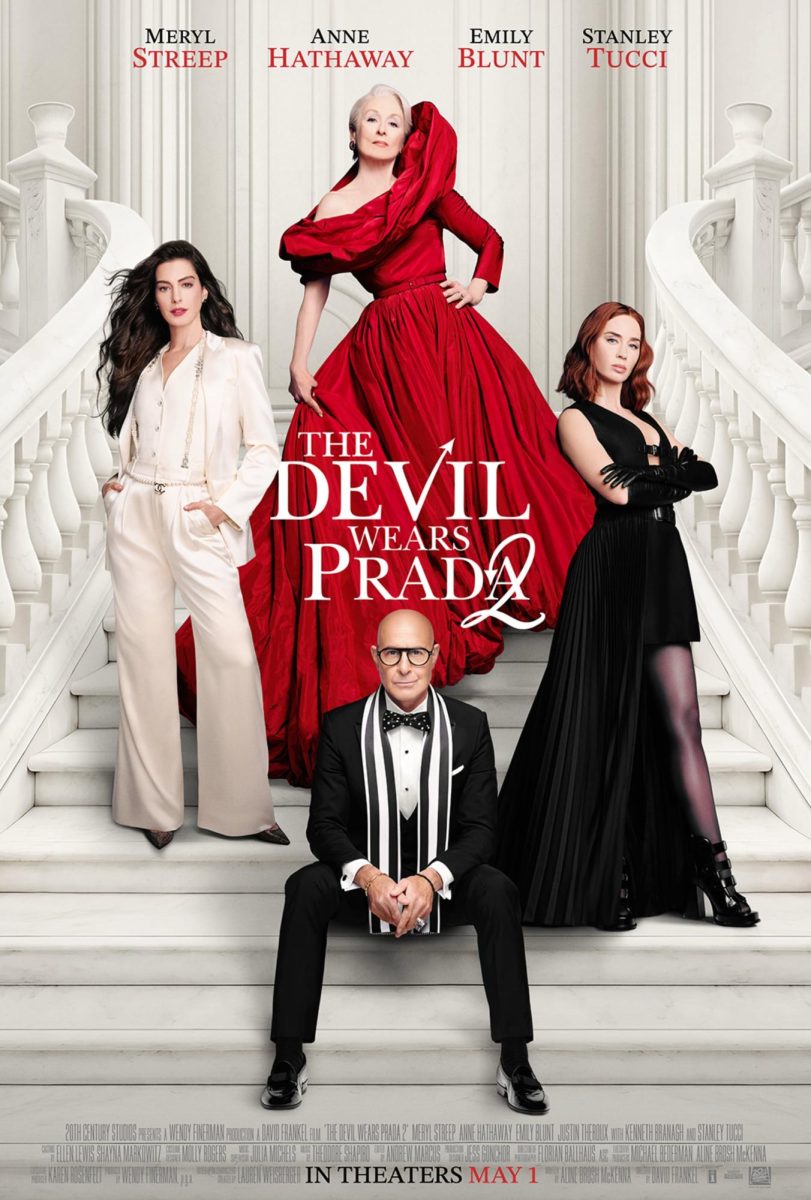
“The Devil Wears Prada 2” immediately shattered box office expectations after hitting theaters on May 1, 2026, and it’s not hard to figure out why. Between the star-studded cast, substantial budget and fan anticipation that’s been building over the past 20 years, the sequel had all the right components for its commercial success of over $233 million worldwide in the opening weekend alone.
Despite the hype surrounding the film, I was initially wary of how it would handle a 20-year time skip — but “The Devil Wears Prada 2” is a legacy sequel that actually understands the world it’s re-entering. It’s unmistakably set in 2026, but in a way that doesn’t seem forced, jilted or out-of-touch.
Gen Z characters like “Charlie the Chair” (Caleb Hearon) and Amari (Simone Ashley) bring natural, humorous dialogue to the Runway magazine, while the depiction of online culture and its role in marketing feels true to life. Even the way the movie approaches journalism feels grounded in reality; print media hasn’t disappeared, but it’s been forced into an online ecosystem driven by engagement metrics.
And the social commentary regarding journalism and capitalistic greed is what stands out most about the movie. Underneath nostalgic references, Nigel’s (Stanley Tucci) colorful wardrobe and the downright distracting Diet Coke product placement lies a recurring frustration about how disposable journalism and artistry have become in our current climate. The sequel’s main conflict revolves around soulless corporate mergers, widespread layoffs and the growing sense that executives see creative work as something to automate away.
My personal favorites were the not-so-subtle jabs taken at both generative AI replacing human labor and finance bros’ insufferable opinions on the matter. While portrayed humorously at times, there’s a clear warning not to let everything that’s meaningful become optimized into oblivion. It’s a message that lands surprisingly well within the framework of the movie, given how different it is from the themes of the original 2006 film.
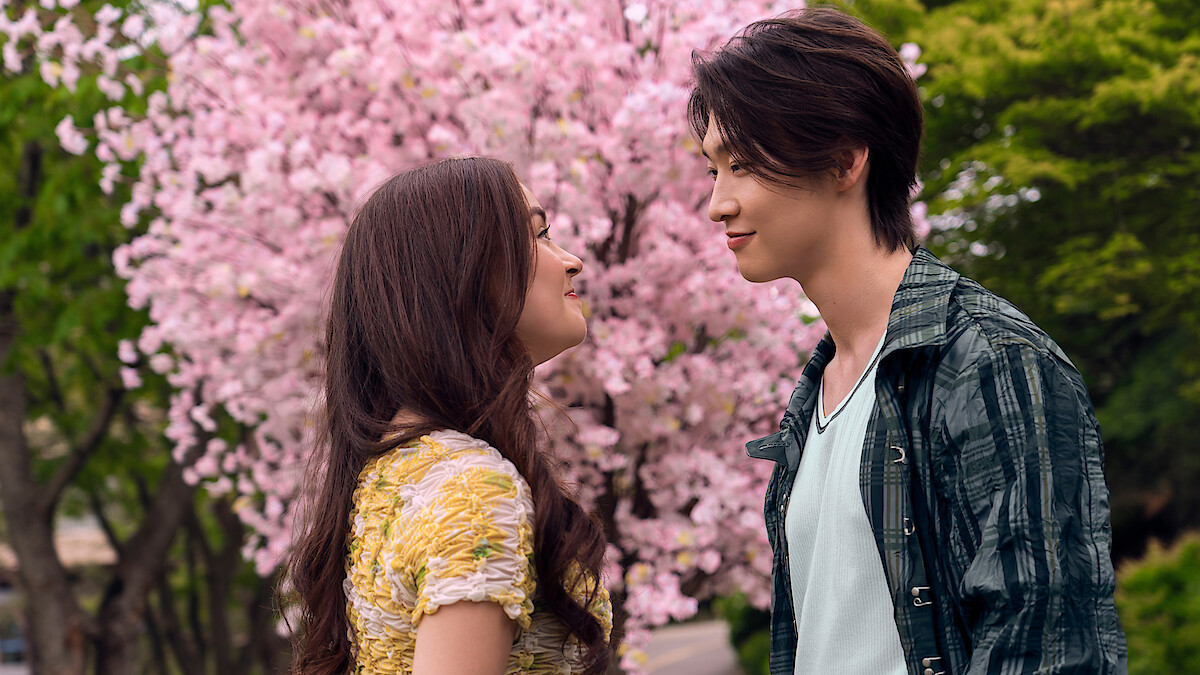
In terms of characters, “The Devil Wears Prada 2” handles Andy Sachs’ (Anne Hathaway) growth and development with a delicate balance. After 20 years working as a journalist away from the fashion world, Andy feels older and more grounded, but still recognizably herself. She navigates the trials and tribulations of working with Miranda Priestly (Meryl Streep) with a stronger sense of confidence and grace, while still maintaining her likable, awkward charm.
The greatest disservice to Andy’s character, however, occurred when she was clunkily given an Australian boyfriend who had no relevance to the plot or her development whatsoever. His entire subplot could have been cut without losing anything important to the film, and the screen time allocated to him could’ve been better used to expand upon another personal or professional relationship that was already present. The movie — and Andy — already had enough going on emotionally and thematically without forcing in an obligatory romance arc.
Meanwhile, Miranda was given an arc that humanized her a bit more than the first film did while simultaneously reaffirming her moniker as the titular “Devil.” One of the most common complaints I’ve seen about the sequel is that the newer version of Miranda has been “defanged,” lacking her prior ruthlessness. But I actually find this change to be fitting given the setting and time period.
The charming, comedic workplace abuse that occurred in the first film only worked because it was 2006. In 2026, a boss behaving in that manner would be immediately struck down by HR, as Miranda often was in the sequel. But now, her character must learn to balance her cutthroat nature with modern expectations, even once having to stoop as low as flying in the dreaded Economy class. The movie keeps the humor and abrasiveness of her character intact by allowing her one offensive comment every 30 minutes, while still acknowledging that workplace culture has fundamentally changed.
Overall, “The Devil Wears Prada 2” doesn’t entirely hold up to the precedent established by its predecessor, but it’s unfair to expect it to. The cultural impact of the first film can’t be artificially recreated with a sequel, and going into the movie expecting it to reinvent the wheel will only set you up for disappointment. For a sequel made 20 years later, “The Devil Wears Prada 2” is self-aware, entertaining and definitely worth a watch.