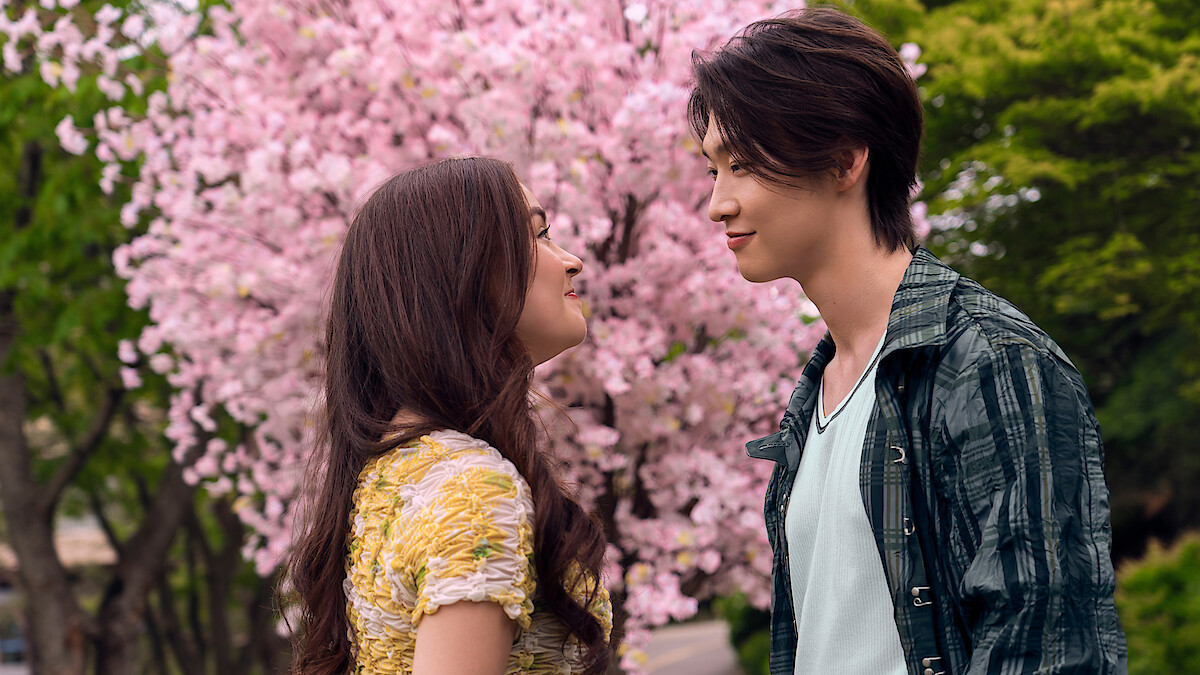
On Jan. 9, Netflix released “People We Meet on Vacation,” a romantic comedy featuring two best friends with polar opposite personalities. An adaptation of romance writer Emily Henry’s bestselling novel of the same name, the film takes the viewer through 10 years of the characters’ lives and eight of their annual summer vacations, gradually developing their friendship and romantic connection along the way.
The movie’s protagonists, Poppy Wright (Emily Bader) and Alex Nilsen (Tom Blyth), feel as if they were dropped straight out of the book’s pages. Not only do Bader and Blyth have fantastic chemistry, but their performances are also phenomenal, bringing the characters to life in a believable, yet emotionally vulnerable way. It’s impossible to make it to the end credits without knowing that both of them have wildly successful careers ahead of them — Bader plays the quirky, extroverted female lead in an endearing way that never manages to feel annoying or forced, while Blyth captures Alex’s sincerity and devotion without leaning into tropes that have become boring or overdone. Together, they’re a charming duo, and the audience is naturally inclined to root for them over the course of their many miscommunications and years spent together.
On that note, the romantic arc between Poppy and Alex is remarkably well-developed. A classic friends-to-lovers tale, “People We Meet on Vacation” simultaneously makes the viewer understand the depth of the pair’s friendship and why their lifestyles have conflicted too much for a relationship to work between them in the past. While the film is primarily centered around the tension that stems from their feelings for each other, the characters’ personal growth is the beating heart of their story, elevating what would be a fairly typical rom-com plot to a deeply resonant and relatable journey of self-acceptance. Where they end up feels earned, especially after all the communication and effort that’s been put in.
Each and every detail in the film carries significance — from Poppy’s wardrobe gaining and losing its signature vivid hues depending on whether or not she’s with Alex, to the characters’ environments mirroring their emotional states — and the amount of care put into them is felt throughout. With bright colors and dynamic cinematography, the movie is a living, breathing work of art, which is especially noteworthy in an era where films are losing their vibrancy to dull, monotone color palettes. Surrounded by a sea of gray and beige on the Netflix homepage, the locations Poppy and Alex visit are all visually striking, memorable and unique, creating strong imagery associated with the story that lingers in audiences’ minds. Additionally, the soundtrack is a fantastically distinct mix of retro classics and modern hits that never fails to bring the audience into the moment
Design elements aside, the adaptation often harkens back to famous rom-coms of the past, making references to recognizable scenes from “When Harry Met Sally” (1989) and “How to Lose a Guy in 10 Days” (2003). The choice has a mixed effect: on one hand, it perfectly encapsulates “People We Meet on Vacation”’s goal of bringing its predecessors’ whimsical, fun energy to a modern era in which it’s severely lacking; on the other, it causes the film to lean too heavily on existing scenes in the pursuit of creating memorable moments.
It’s without a doubt that a large part of the movie’s charm is in its ability to recapture what made the genre feel so special, and leaning into this feature makes sense. However, there are times when this emphasis borders on unoriginality, placing too much focus on making audiences nostalgic and not enough on allowing Poppy and Alex to shine as characters of their own. One of the film’s most iconic moments — when Bader dons a bright blue wig and dances to Paula Abdul’s “Forever Your Girl” — is an entirely original one, which speaks to how uniqueness is what stays with viewers, not recreations.
Overall, “People We Meet on Vacation” is a wonderfully fun and engaging watch for anyone who loves interesting cinematography, well-developed characters and of course, romance. An emotionally-charged yet lighthearted film, it’s bound to be an enjoyable experience for first-time viewers of the genre and long-time fans alike.