The world is a strange place. So far, 2025 has been a benchmark for historical development: Trump is back in office, and new world-shattering events are popping up daily. At the same time, rapid consumption is more trendy than ever.
Scrolling online has turned into a replacement for existence — why live your own life, when you could watch Kai Cenat live in his multi-million dollar house for hours on end? Why travel when you can watch someone else do it? Why live in any other reality when you can choose out of the thousands of lives provided through content on the internet? This overconsumption of media has led to things like brainrot, constant, nonsensical terms thrown around mindlessly for humor, until they’re overused and deemed outdated.
But honestly, who would want to go outside and face reality? Especially when a much more desirable reality is in the palm of our hands.
Living online gives a person the freedom to filter through what they want to see, and it’s no secret that most media platforms feed their users an algorithm based on the content they consume. Gen Z’s abuse of screentime may seem ridiculous, but this concept is not foreign to this generation. In fact, we’ve been here before.
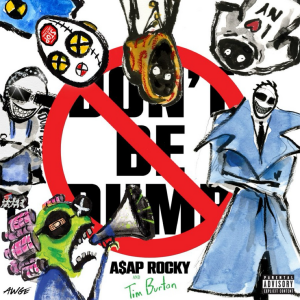
Back in 2020, there was an unavoidable upsurge in alternative media. From cursed images to anime edits, Minecraft streamers to Monster Energy, altcore and screamo music. Most people look back now and wonder how their middle school selves felt so comfortable leaving the house, bearing studded Dr. Martens, froggy hats and winged eyeliner.
Middle school was a time to say the least. Stuck inside, most people had the freedom to explore alternative styles without the subject of outside judgment. This, of course, was enabled by the internet, which presented thousands of niche styles: cottagecore, indiekidcore, gothcore, you name it.
This was mostly to blame on the fact that people HAD to stay inside, which gave people the freedom to reach their full potential in self-expression. No matter what your niche was, you could find it on the internet and a community to confide in.
Most popular online media being consumed at the time ranged from Minecraft streamers to anime, K-pop and musical artists, many of which inspired people to embrace their interests that previously weren’t widely accepted.
Of course, the internet is an endless pit of consumption. But in 2020, where else was there to go but to fall deeper and deeper into the void? Extensive screen time resulted in this generation’s colorful, hypersensitive nature. If anything, the turbulent sequence of events leading up to 2020 is credited with this generation’s acceptance of the abnormal, compared to past centuries when the majority fell victim to common societal expectations.
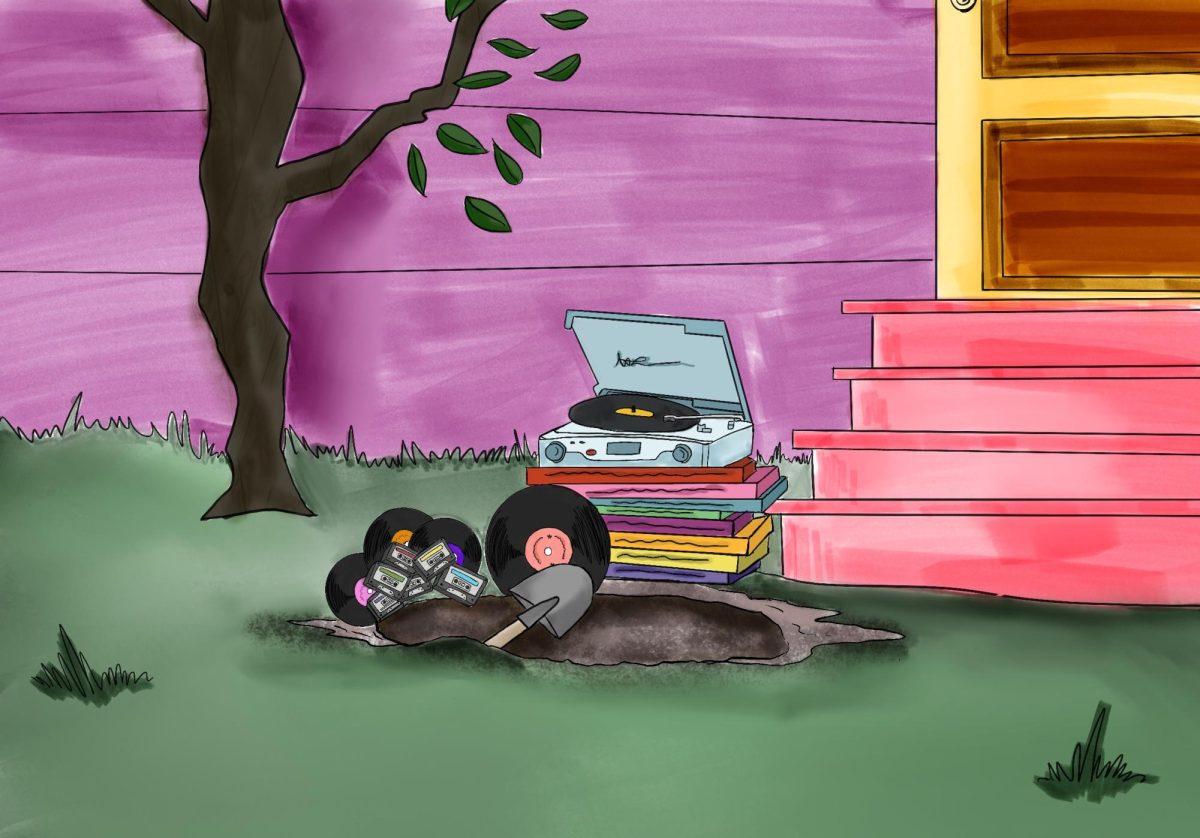
Between 2020 and now, the primary focus has been on returning to the real world. As the world returned from the pandemic, it didn’t immediately go back to normal, especially in terms of the internet. Over the years, people stuffed away their froggy hats and Dr. Martens, and the popularity of eyeliner diminished. People went back to normal.
2020 culture got chalked up to cringe in reflection, and was eventually replaced with an overt yearning for a sense of normality.
But the dust has settled upon the pandemic.
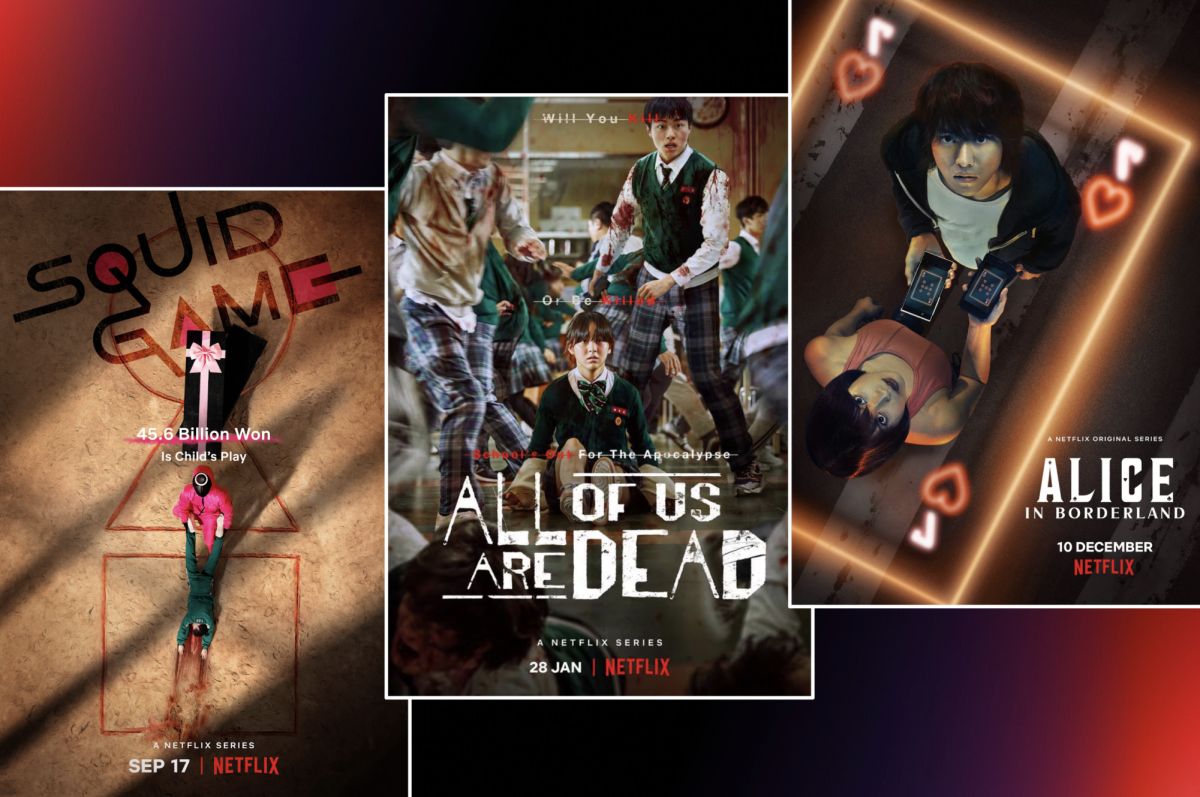
Today, it’s more common than ever for a person to carry a niche hobby of theirs as a part of them, a remnant from the past. In fact, being weird is the new normal. One of the most prominent examples of this is the newfound acceptance of avid anime watchers, whereas before, anime was deemed mostly exclusive to geeks.
Have the people gotten to the point where they are fully able to embrace our true character? Is it true — is to be cringe, to be free?
Given that our world revolves around content consumption, embracing all forms of self-expression seems to be the only thing left to do. But have we really changed, or are we right back to where we started? Is this revolution of self-expression a sign of us inching closer and closer to generation-wide acceptance of everyone’s interests, or is our rapid consumption of media today another surge of online madness caused by the unstable political climate?
In 2020, we HAD to stay inside. Now, we don’t want to go outside. I mean, who would — especially when the online world is so much more accepting…