A few weeks ago, I overheard a friend talking about their weekend plans. When I probed further, they told me they were going to a concert alone. Alone. The concept felt so foreign to me that I had to ask them again: “You’re really going alone?” Somewhere along the way, I had started to associate concerts as an activity strictly reserved for friend groups. And to that point, so were trips to the mall, parks, libraries, grocery stores, and… the school bathroom?
Currently, DV faces a reverse loneliness epidemic. People don’t spend enough time alone! And I don’t mean spending every moment by yourself. I mean being extremely co-dependent on your friends to the point where you aren’t able to do things in public alone. Co-dependency can be harmful by being draining and can lead to self-neglect, especially in high school when people are caught up in a billion different things that they have little time for themselves. Arguably most importantly, however, co-dependency can seriously halter people’s social prowess. Most people at DVHS have been surrounded by their friends since elementary or middle school. Because of that, relationships run deep. Naturally, this inhibits the need for individuals to go out and seek new, lasting friendships. Sure, anyone can make a good friend through a side conversation in class or a shared elective, but starting from scratch and building a new support system? That’s hard.
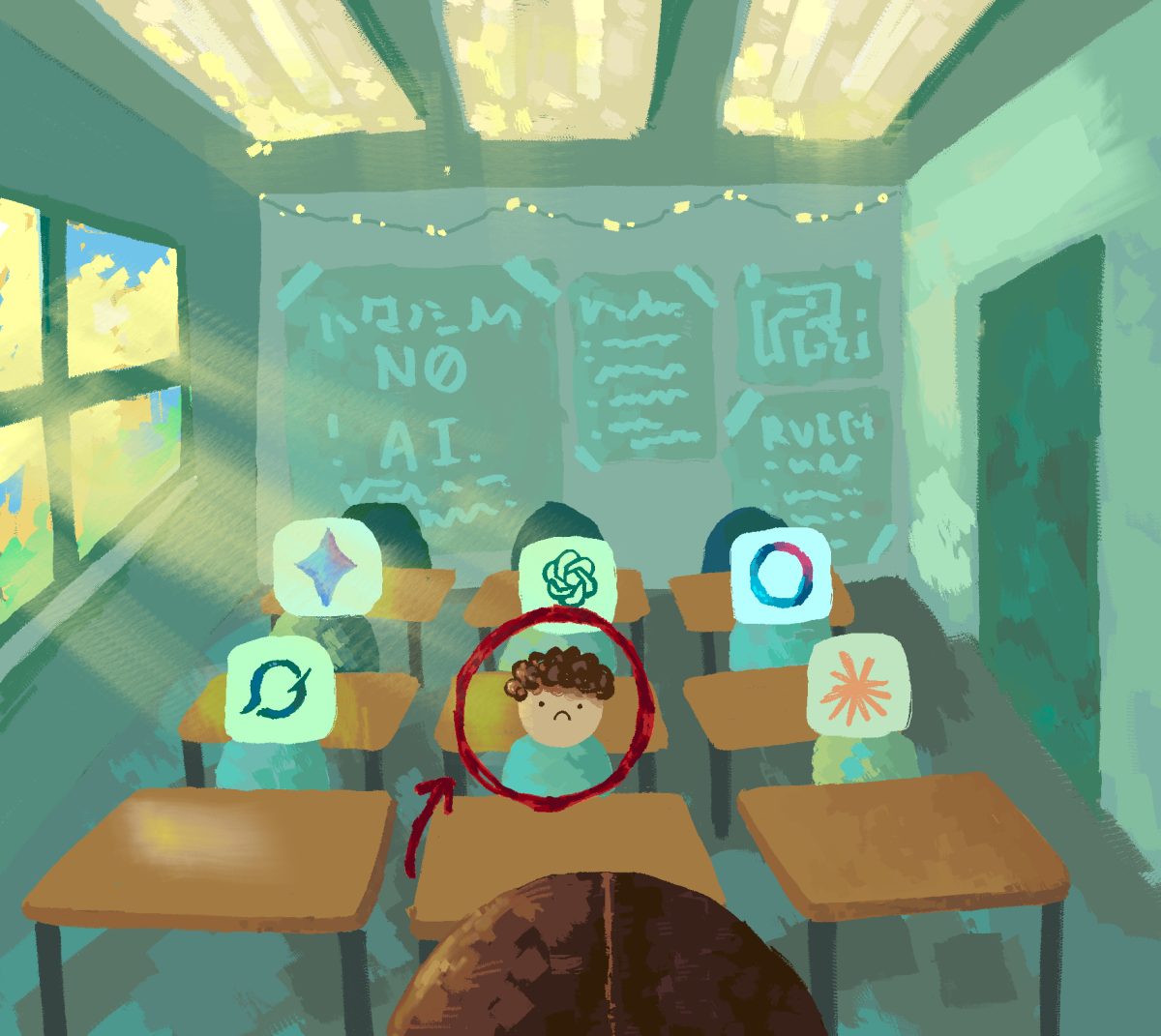
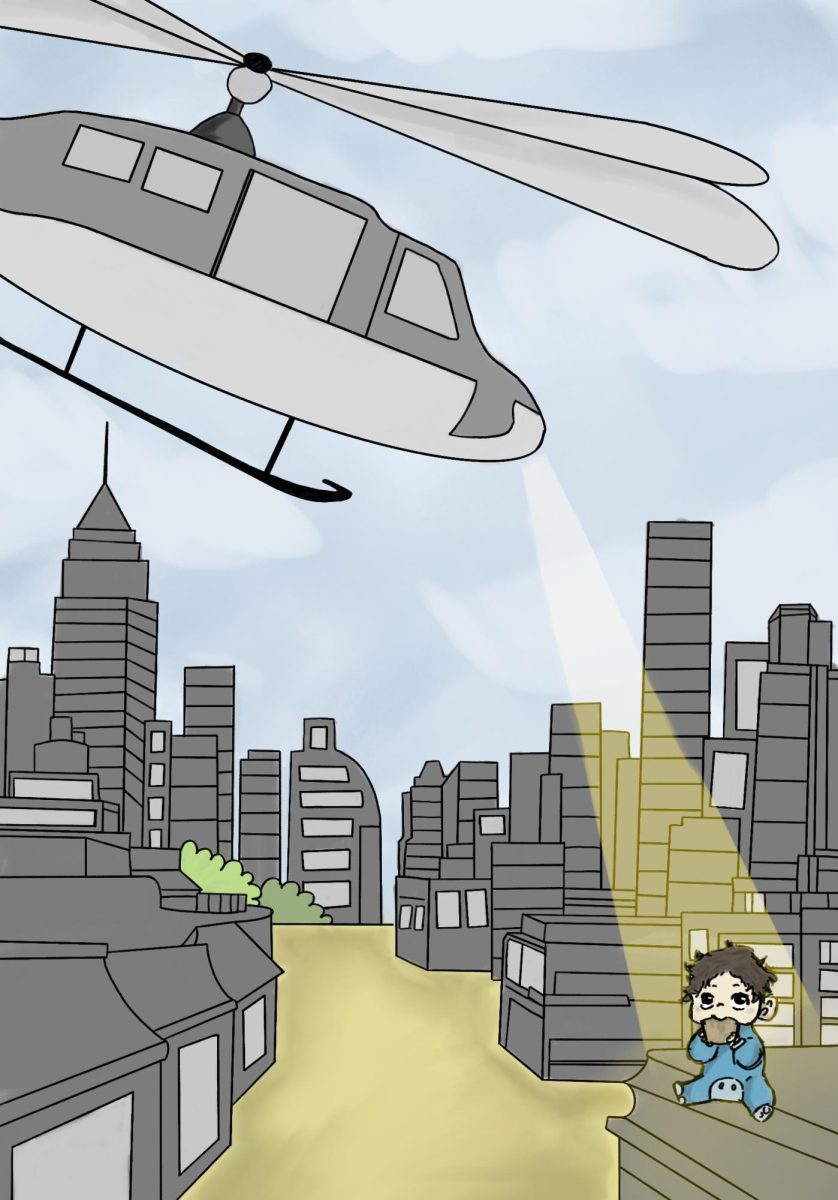
And that’s exactly what I had to face as I walked into my first day of high school. The summer after 8th grade, my best friend of four years moved 2,906 miles across the country to New York. In the span of three months, I went from having a tight-knit network to having almost no one. I didn’t realize the true extent of this fact until my first lunch period at DV. As I braced myself through the freshman quad, face to face with friend groups that had lasted since middle school, I had to come to terms with the fact that I would be sitting all alone during lunch.
Since sitting alone became too depressing, I found a safe haven in the school library. After spending virtually all my time there, I decided to apply to become a library volunteer. Once accepted, I was able to deal with my loneliness through another outlet. Through this opportunity, I explored the school library, and by the end of the year, I knew every nook and cranny of the place. For me, spending time alone actually helped me discover a new hobby and interest I wouldn’t have otherwise explored.
In some ways, spending time alone allows us to live authentically and engage in different, personal experiences that may not be possible otherwise. By spending time with the same people over and over again, we inhibit the possible experiences and communities we could potentially be a part of.
Even though this might not be true for everyone, spending time with the same people over and over can have harmful effects. DV students, and more generally high school students, are increasingly susceptible to falling into the familiar trap of comparing themselves to others. High school culture can feel extremely homogenous at times, and individuality is one way to escape that.
According to a study conducted by the Pew Research Center, 41% of teens feel the need to fit in socially. Oftentimes, this causes individuals to dilute their interests to fit in better. The same feelings arise when we become too dependent on friend groups and feel like we have to lean into a certain position or role, like the token smart friend or the comedic relief friend. As a result, people make that role their entire personality, becoming overly focused on appearances, which diminishes their individuality.
Losing individuality is truly detrimental because it erases what uniquely makes us who we are. This may sound like common sense at first, but when you dissect the most identifying parts of yourself—your interests, your clothes, your habits—how much of that is truly reflective of you? And how much is shaped by the people around you? When you get to college or start working, people don’t care about the hundreds of different ways you fit in. Rather, they want to know what makes you uniquely you, and how that shapes you as a person.
Spending time alone is also tied to a variety of benefits. According to Psychology Today, solitude can benefit all types of people, including introverts, extroverts and everyone in between. Solitude can help boost creativity, relaxation, emotional regulation and self-discovery. Long term, this means balance and stability. By starting early, we learn how to regulate ourselves in different social climates and situations, and are well equipped for college and future life, which is inevitably filled with highs and lows.
It would be completely unfair to say that friend groups and peers are overall destructive, because that’s absolutely not true. I am extremely glad to share that, as my time in high school has passed, I’ve been able to find an incredibly supportive and accepting community. I’ve made relationships that will last a lifetime, and without their support, high school would have been exponentially harder. However, I still try my best to spend time alone. Whether it’s going on walks alone, studying at a cafe by myself, or working in my favorite library, I’ve seen firsthand the impact solitude has had on me.
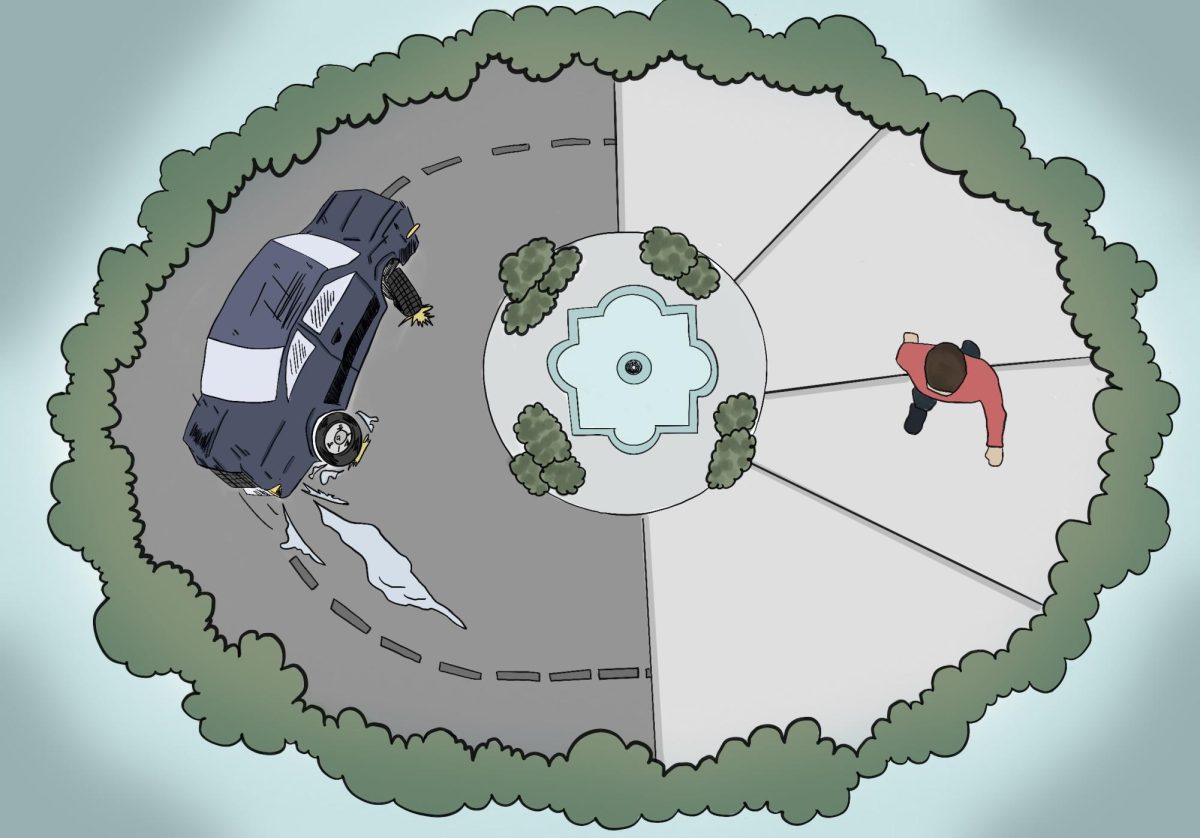
It’s about time people recognize that you can be alone without being lonely, and that spending time alone is key to self-fulfillment and overall growth. So, the next time you feel like hanging out with your friends, I urge you to spend some time with yourself. It can truly change your life in ways you would never expect.