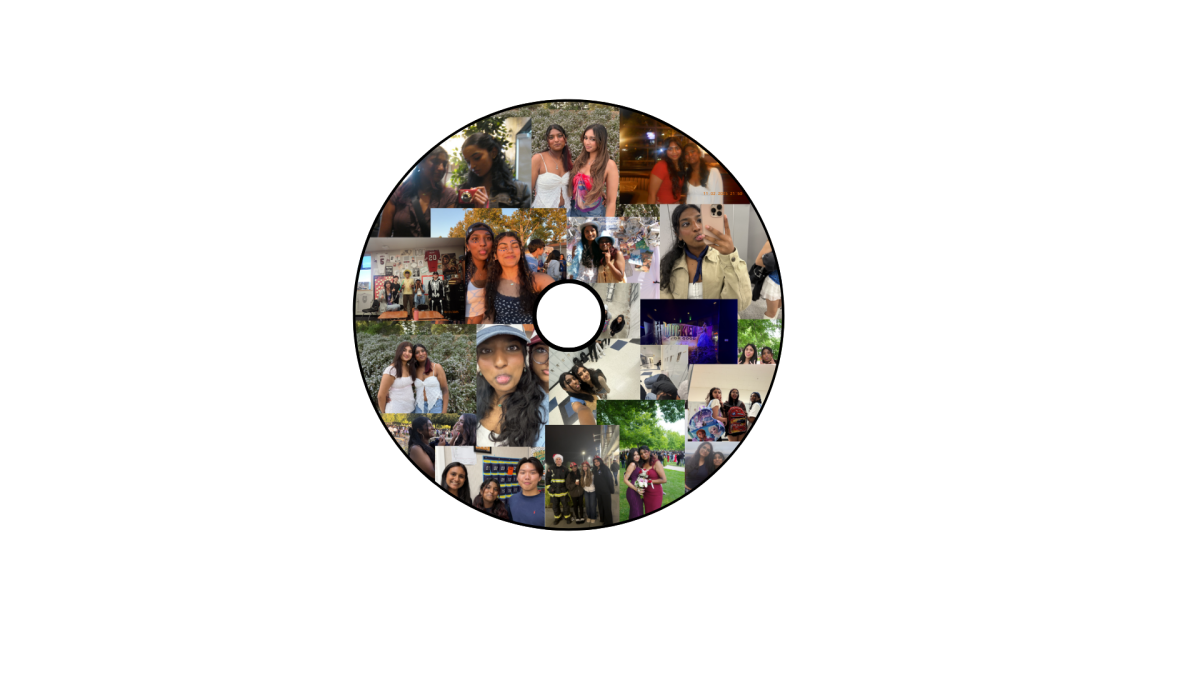
With graduation season and college commitments in full swing, pages for incoming college freshmen are becoming a frequent sight on social media. These class accounts are often found on Instagram as @NameOfCollegeClassOf2030. A few select images and a brief bio are meant to give future classmates a first impression and a way for fellow students to reach out and connect before even setting foot on campus. However, not only are these curated impressions unreliable, but the pages themselves end up simply becoming another hotbed for anxiety.
Ultimately, incoming freshman pages are a place to meet future classmates and ease into campus social life beforehand. Yet the promise of connection can just as easily turn into a social competition, where students feel pressured to present a perfect version of themselves. It’s no surprise, then, that most bios sound nearly identical — everyone seems to love going out, but also staying in. While trying to appear a certain, appealing way, the honesty and quirks that build true connection are forsaken.
Relationships built on illusory bits of information will, more often than not, end up as tepid, surface-level conversations. Real-life personalities are obviously far more nuanced, and the people you meet online are bound to be different from the versions you imagined. The result is more of a shallow connection rather than a genuine friendship. Roommate searches, too, feel both distasteful and superficial, especially when judgments of habits mirror those of dating-app culture.
These profiles are also damaging in how they create this distorted version of college life. For students who choose not to post themselves or bother reaching out to potential roommates before move-in day, it may feel as if everyone else has already found their people except for themselves. College is already a stressful transition in life as it is, and these social media pages only add another layer of unnecessary stress to the school year.
Rather than relying on pre-made friends for a sense of belonging, incoming freshmen need to simply go out and meet a random person in real life. Not only is it how some of the best friendships form, but it also embodies the real college experience of spontaneous conversation and first-day awkwardness. It’s impossible for someone’s full personality and values to be captured in a small, possibly artificial post, which is all the more reason to embrace the uncertainty of meeting new people in real life.
Incoming freshman pages do have their benefits. Being able to recognize familiar faces and start conversations more easily can help students feel less alone in a new place, particularly for those nervous about their transition into college life. The issue with these pages, though, is not their existence but the image-conscious culture that has formed around them. Online connections are undoubtedly useful, but the more natural friendships that form through classes, dorm life and everyday interactions are irreplaceable.
At the end of the day, most incoming college freshmen aren’t going to know many people at all, with or without social media connections. So take the chance to start fresh, whether that means tagging along with people you’ve never met before or asking a complete stranger to grab a meal. Connection starts with simply showing up as yourself.