Being behind the wheel: Freedom or pressure?


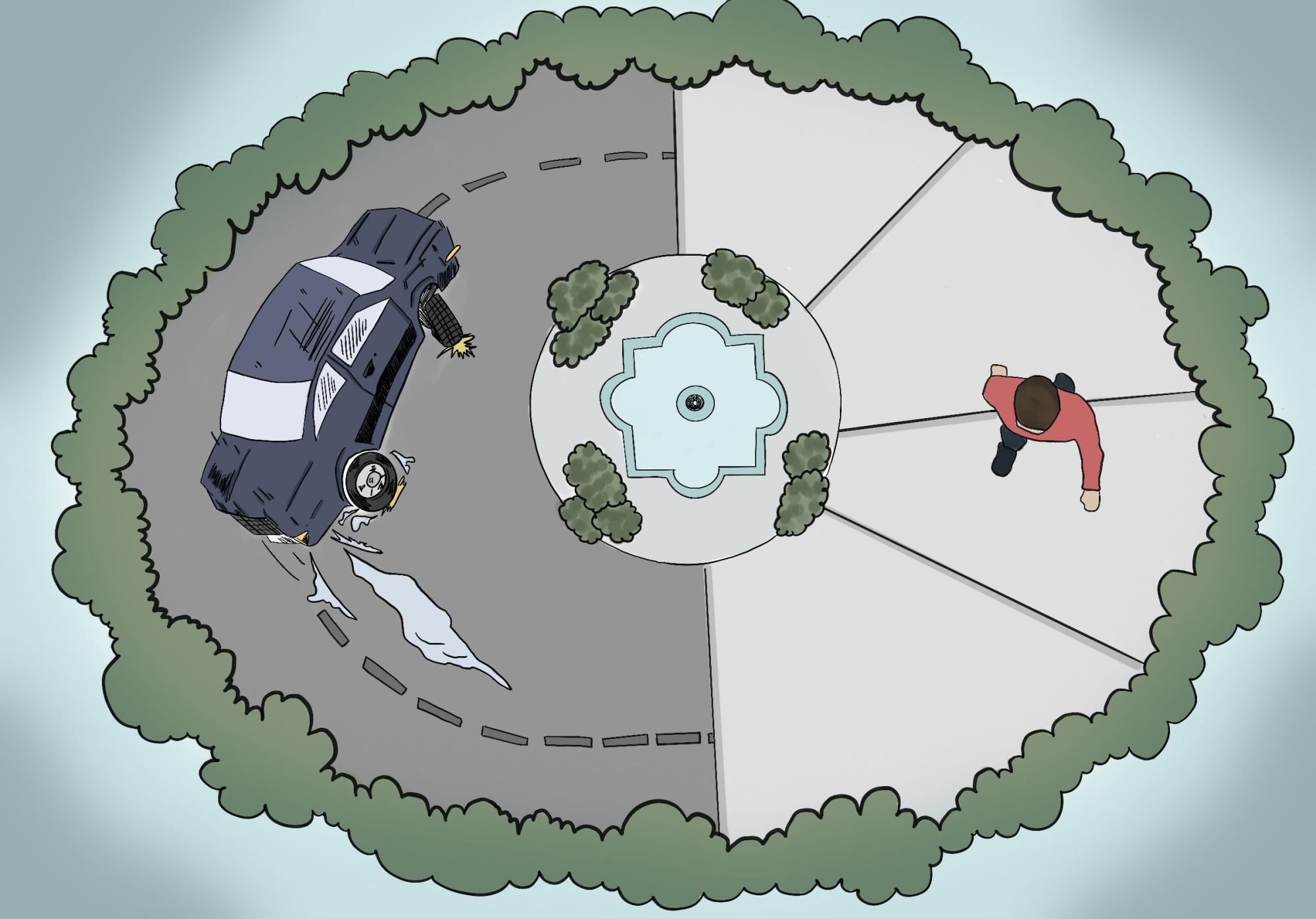
“Wait, you still don’t have your license?” someone says, half-joking, but still a little too surprised. Another friend chimes in, “You’re already 17, what are you waiting for?” The teasing keeps going, but the humor in the comments quickly fades. Everyone laughs, except the one targeted by the endless questions, who starts wondering if they’re actually behind the curve even though they’ve never felt the need to drive in the first place.
In high school, getting your driver’s license feels less like a choice and more like an obligation. The moment someone turns sixteen, the countdown begins: permit test, behind-the-wheel lessons and then the big day at the DMV. Parents frame it as a necessity. Friends celebrate it like a rite of passage. But what people don’t talk about is how much pressure sits behind that expectation – the idea that the sole road to independence demands car keys.
For some, not driving isn’t about fear or laziness, it’s about being ready. Between rigorous AP coursework, extracurriculars and college apps, the time and mental space to learn how to drive safely just isn’t there. Some others simply don’t feel comfortable behind the wheel yet, especially given the chaotic nature of California roads. And then there are those who don’t even need to drive – their parents can take them, they carpool with friends or they live close enough to walk. Still, the pressure to “just get it over with” makes choosing to wait feel like falling behind, even when it’s the smarter, safer option. Pressure from friends, family expectations and an unspoken societal timeline can push teens into a decision they’re not ready for.
This pressure is particularly evident at home. Some teens often hurry to get a license early because of family responsibilities. Parents with demanding work schedules may rely on their kids to drive younger siblings to school, sports or after-school activities, handling errands they don’t have time for. While these expectations often stem from necessity rather than judgment, they can create a sense of urgency that rushes teens behind the wheel before they feel ready.
According to the CDC, about 2,800 teens in the U.S. ages 13-19 were killed and about 227,000 were injured in motor vehicle crashes in 2020. Many road accidents occur largely due to inexperience and distraction while driving. Add packed schedules and late-night study sessions into the mix, and it’s easy to see why driving too soon can do more harm than good. Yet this reality rarely surfaces in casual conversations about driving. Instead, discussions focus only on the benefits of having your license — the freedom to grab coffee, drive to school events and avoid asking others for rides — while the risks remain hidden in the backseat.
Still, many teens’ choice not to drive is met with disappointment or scorn. Friends tease, and parents often rely on them to take the wheel sooner rather than later. But waiting doesn’t mean being unmotivated; instead, it can be practical. Between rising gas prices and insurance costs and the mental load of balancing school, extracurriculars and jobs, not driving can actually reduce financial and psychological burdens. Alternatives like public transportation, carpools, walking or biking not only save time and money, but also spare students the stress of daily battles like finding parking spots.
Admittedly, driving offers more than just a way to get from one destination to another: it provides students with the independence to work, socialize and handle responsibilities without relying on others. That can mean being able to pick up boba at T4 or going on after-school Safeway runs with friends. Beyond convenience, it can also build confidence and a sense of responsibility. For some, early driving isn’t pressure– it’s freedom. But that liberty isn’t genuine unless it comes from personal preparedness, rather than external expectations.
Ultimately, deciding when to get a driver’s license should be every student’s own choice. Pressure from friends, family and society makes it seem like everyone should reach this milestone at the same time, but readiness looks different for every individual. For some, driving at 16 is a necessary step towards independence. For others, waiting is a wiser choice, one worth respecting rather than rushing.
In the end, students are the best judges of when they’re ready to take on the responsibility of driving. They should decide for themselves, considering their own priorities and comfort rather than yielding to pressure. The road to independence is one each person must navigate at their own pace.
Holding your own set of keys comes with a certain kind of independence. Not the kind where you are rebelling—running away from home or leaving in a flurry after an argument—but still empowering. After a decade and a half of relying on your parents to get to school, practice, lessons, you’re finally holding the control in the palm of your hand.
When you are still living at home, driving can seem optional. You have carpools, buses and parents to drive you to school. So why rush to get behind the wheel? The law of diminishing utility says that as you continue to use a good or service, its benefit decreases until they’re negative.
Yes, you get to save your legs from walking at first, but your overreliance on other people—parents, siblings, bus drivers—begins to have consequences. With their own lives and priorities, you can’t 100% guarantee that they will always be available to get you anywhere without being late. This poses an issue when you get to first period a little late and get a 0 on your homework because you didn’t get there in time. As your life becomes more tight and outings more spontaneous, you have to transfer responsibility to yourself.
Throughout high school, we put so much energy into “preparing for adulthood” thinking about college, careers, and how to pay bills. Although it’s emphasized, the importance of driving isn’t entirely a social construction. You need to plan ahead, be aware, stay calm under pressure, and make quick decisions. These are habits that ultimately do translate directly into adult life, because mobility leads to increased opportunity.
You can take yourself to an internship, stay late for club meetings, or take on a part-time job without depending on anyone else’s schedule. For students balancing packed calendars, driving can be the difference between saying “I can’t” and “I’ll be there”. As you progress beyond high school, that autonomy begins to matter more and more. You are not going to have the safety net of your mom reminding you to get to classes on time anymore, you take it upon yourself. Being responsible for your own time forces you to think beyond your own needs and consider the people and environment around you. In many ways, it’s one of the first true tests of maturity.
There is also something deep symbolic about driving—not just mobility, but identity. The first time you drive alone, there truly is an unmistakable feeling of freedom. The music is yours, the route is yours, the choices you make are yours alone. That moment represents far more than privilege, it is the beginning of self-sufficiency.
Of course driving comes with its risks. There are countless articles that emphasize how dangerously reckless teen driving is. Accidents happen, and learning takes time. But waiting doesn’t make the roads safer, experience does. The earlier you start, the more time you have to practice under mandatory supervision since after you turn 18, they’ll give a license to anyone who can differentiate the gas pedal from the brake pedal. You have time to build up safe habits during a time when you’ll likely only need to make short commutes. Driving is not about rushing into adulthood, but rather preparing you for it. It’s better to learn while you still have support systems around than to be thrown into it unprepared at 18 or 19.
Then, there’s the practical side. Gas is expensive and traffic is terrible. But there’s value in the responsibility that accompanies it. Paying for gas, keeping track of maintenance, following traffic laws. Those are all small steps toward managing independence.
Choosing to get your license isn’t about following social pressure or chasing convenience. It is about taking initiative, wanting to stand on your own two feet. It is a skill, a privilege, and a responsibility that builds confidence far beyond the driver’s seat. So yes, maybe getting your license is a little intimidating, but so is every step towards adulthood. Driving is just one of the first–and most meaningful—ways to prove to yourself that you’re capable of moving forward, wherever the road takes you.