Now that I am so close to adulthood, I think I’ve experienced the full range of parenting styles. My own parents have changed the way they approached raising my sisters and me about a million times, which is why I think I’m pretty knowledgeable in what worked and what didn’t.
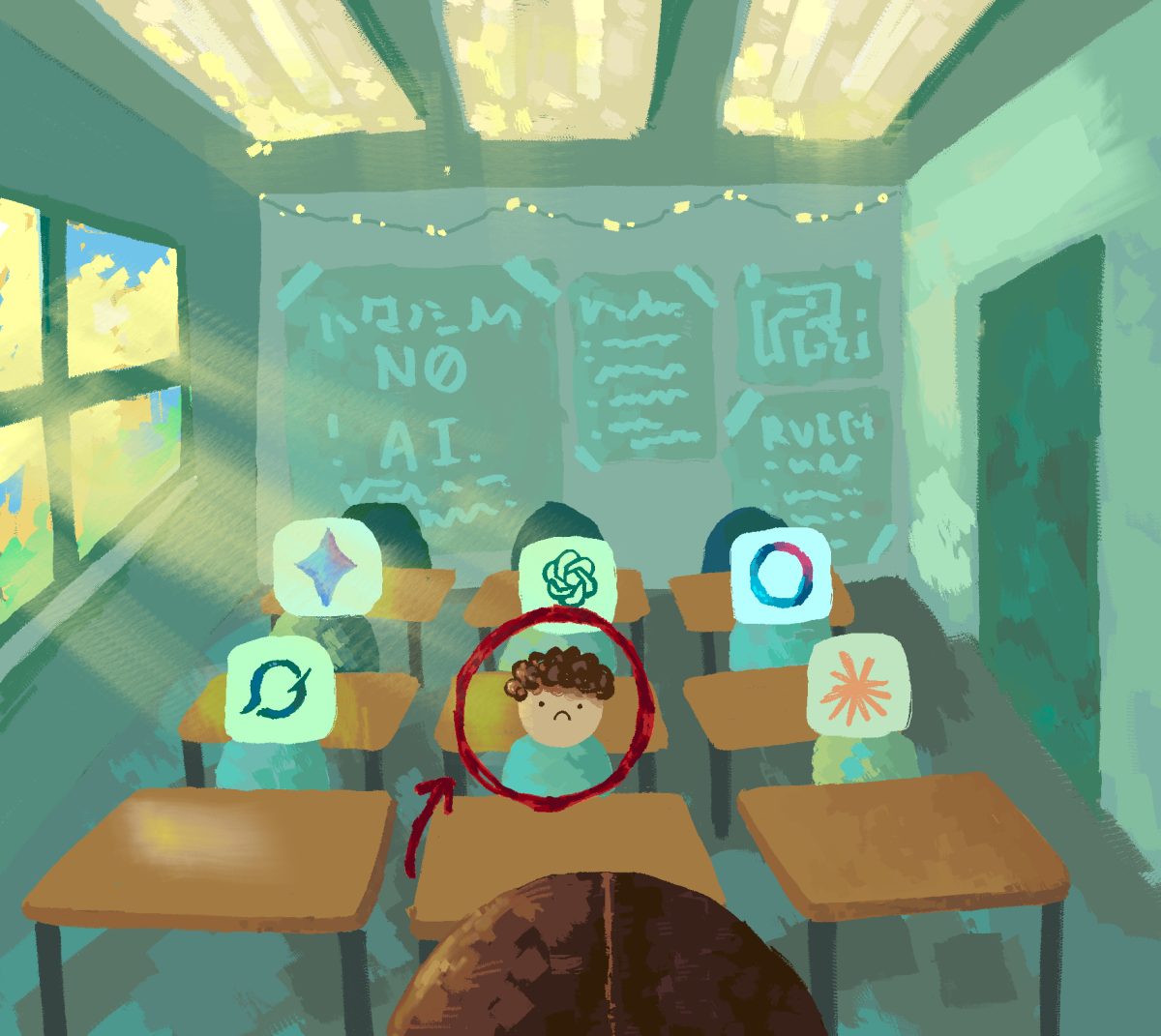
One kind of parenting style seems to be shared among the parents of my friends and peers: the kind that includes incessant nagging, helicoptering and even doing things for the child. Managing their conflicts and confrontations, furiously checking to make sure that they aren’t making any mistakes with extracurriculars or anything else. It infuriated me when my parents did it and it infuriates me whenever I see it happen to someone I know, because I feel like it does way more harm than good in the long run.
I do understand why parents can be like this. Parents have the unique perspective of being able to watch their child grow up, seeing all the potential they have to do great things and they don’t want to let an irresponsible teenager screw up any good opportunities presented to them. I really empathize with people who don’t want all the great parts they see in their child to go to waste.
But not letting your child have the space to mess up is doing them a real disservice because you are essentially setting them up for failure in the future when you aren’t there to clean up their messes. And I don’t think any parent wants their child to grow up into someone incapable of handling tough situations. To me, it also signifies a lack of trust — that my own parents don’t believe I’m capable of taking responsibility myself.
But this heavy amount of interference is often allowed by both parties. I’ve seen so many of my peers who are far too comfortable just allowing their parents to handle every situation for them. For students, I really think that if you have a parent who just won’t leave you alone, you need to have a conversation with them. Part of becoming an adult is being able to manage difficult situations, and even if you are okay with your parent micromanaging your academic life, it is a basic life skill to be able to problem-solve and communicate with others. Getting yourself out of your comfort zone and doing things yourself is a vital part of life, and it really confuses me when people don’t take action out of laziness or fear of failure.
It’s not that being involved in your child’s life is a bad thing, especially if they truly need help with something. That is the job of the parent: to help and guide their child. But I think that it’s very important to consider how much help they actually need, because it’s easy to cross the line between “helping” your child and babying a nearly fully-grown person.
For example, if your child is genuinely struggling with something they don’t know how to do, it’s good to teach them. But solving the issue before they even try gives them a false sense of security that you will always be there to fix things for them. It’s easy to go from “guiding” them to success to dragging them there.
I also don’t think it’s a perfect idea to just wait for the child to come to you for help, because some people aren’t great at knowing when they need help. Others aren’t skilled at asking for assistance, and many have very little urgency about pressing issues. To me, personally, the best thing to do would be to ask your child what they want from you. This allows them to be in control of how much help you give them, as well as allowing them to think through what they actually need help with versus what they are able to do by themselves. This is the best way to keep the balance between giving your child independence while also ensuring that they know you’re there for them. Most importantly, let them make mistakes and let them deal with the consequences. It builds character.