College football and basketball programs across the country are facing growing frustration over how the National Collegiate Athletic Association(NCAA) has been handling eligibility regulations. What started as a temporary solution during the pandemic has grown into a long term problem, with athletes returning to college for their sixth, seventh or even eighth season. It has even come to the point where some players with past professional experience are finding ways back into college sports, ultimately ripping away the opportunity from high school athletes to compete in the NCAA.
The NCAA has made attempts to balance fairness with flexibility over the years regarding eligibility. But recently the boundaries have been stretched so far that the entire process is seemingly unpredictable. While one athlete may get another year of eligibility approved by the NCAA, another player is rejected with almost identical circumstances. This is because the NCAA hasn’t laid out a set of clear and consistent guidelines for who qualifies for extra eligibility and who doesn’t. As a result of this, athletes are chasing loopholes and appealing decisions in hopes of extending their NCAA career.
Under normal circumstances, NCAA athletes are allowed four seasons of competition within a five year period once they enroll in college as a student. The association has maintained this structure for decades in order to keep college careers short, fair and balanced between returning athletes and incoming high school recruits. But with medical redshirts, hardship waivers and the extra year granted towards athletes who were affected due to COVID-19, the five year window has been stretched in ways that no one could’ve predicted. These new exceptions have led to certain athletes having far more years of eligibility than the system ever intended.
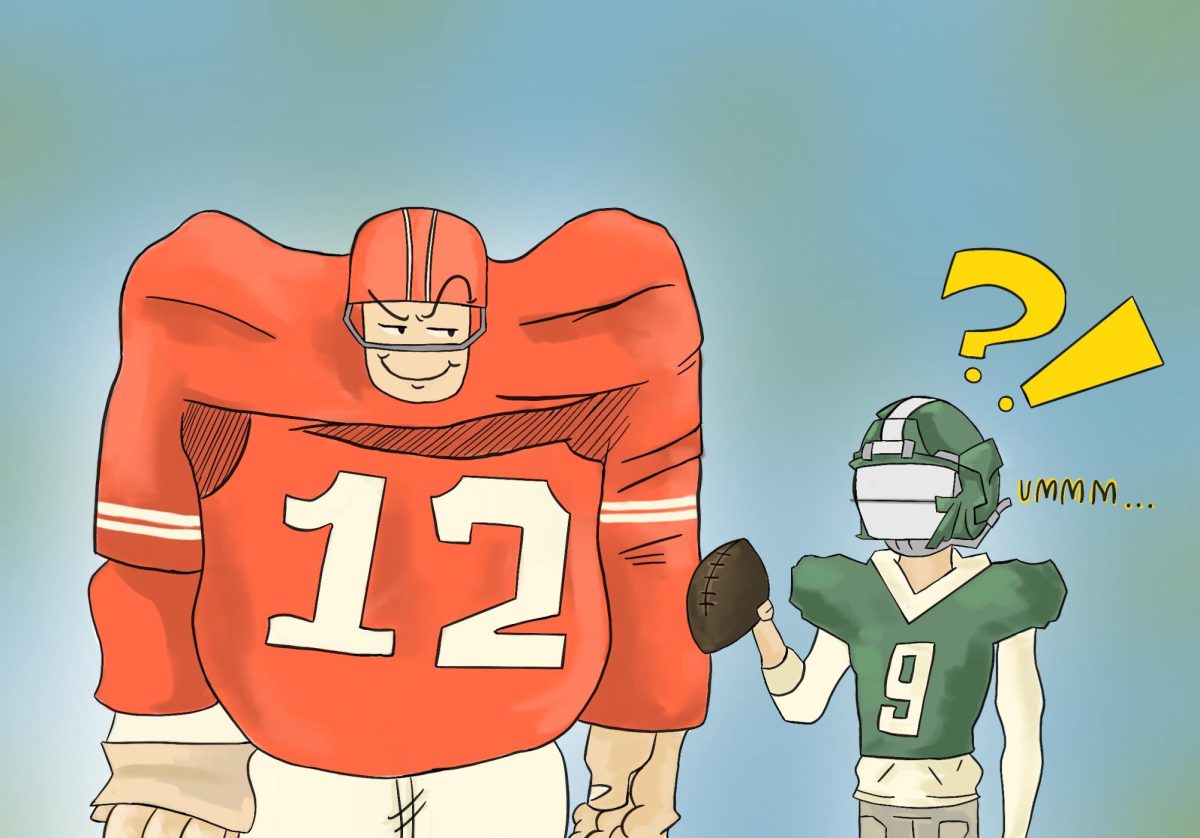
Over the last five years, more athletes around the country have been abusing the system and returning for an extended period of time, which creates significant consequences on high school recruits trying to achieve their athletic dreams. High school athletes face fewer roster spots, tighter scholarship availability and a reduced chance to develop across a normal four year career. With older athletes holding on to positions far longer than expected, high school prospects find it difficult over the next five years to earn a spot in college, or even get seriously recruited due to problems they cannot control.
Each year, around 550,000 high school athletes go on to play college sports after high school, which provides them the opportunity to receive an education past high school they might not receive without sports. As more ongoing college athletes return for extended seasons, more graduating high school athletes risk losing their opportunities, both academically and athletically. The ripple effect of the lack of guidelines isn’t just impacting rosters, but it’s altering futures and reshaping the entire landscape of college athletics.
The NCAA has been seeing major changes in its entire recruiting process over the past five years, with the introduction of players receiving Name, Image, and Likeness (NIL) rights. NIL has fueled a major growth in the transfer portal, as many athletes are choosing to stay in college for an additional year rather than progressing to the professional level. Older athletes who have already established reputations are now more likely to return for extra seasons because they can now profit from sponsorships, endorsements and other NIL opportunities giving them a financial incentive to extend their college careers. Combined with the inconsistent rulings from the NCAA, NIL and the transfer portal have created an environment where extending a college career is more preferable than ever.