Community college is a joke. Or at least that is what many people want you to believe it is. It is perpetuated as a place where all the “rejects” go who couldn’t get into their dream colleges, a place that reeks of both shame and embarrassment. But it shouldn’t be. Community college is not a roadblock, but rather a step to success.
Every year, students feel stressed about getting into their dream schools. For students at DVHS, many aspire to go to UCs such as Berkeley, Los Angeles, San Diego and Santa Barbara. It’s understandable, of course, students have spent almost four years of high school working up to this moment in order to achieve their dreams, whether it’s through hours studying for rigorous academic courses, frequent studying for standardized tests or putting in hours in other volunteer or extracurricular activities. For many students, the culmination of all their work leads all up to their college acceptance letters. And while their classmates are rewarded, some are not as lucky and often get rejected from most, if not all, the colleges they apply to. This can often lead to what is known as the “worst case scenario”: community college.
It’s easy to see the downsides of community college. It seems embarrassing in our culture and it’s seen as lower in prestige. But community college is not your only option for the next few years. It’s often common to transfer into different colleges, even the same UCs that others got into right after high school, following two years in community college. Now, while this is not guaranteed and it does take effort, you do have some decent odds. This is especially true in California, a state home to a plethora of good colleges such as UCs and CSUs that frequently accept community college student transfers. Now while this method has been widely known, the acceptance rates of transferring may be higher than you think.
According to the University of California data in 2025, community college transfer students have been regularly successful in being able to transfer to a UC. For example, colleges such as UC Riverside have a 61% acceptance rate, Davis is at 65%, and UC Irvine sits 45% for transfers. These are odds that are significantly higher than acceptance rates when applying directly from high school and give you a reasonable chance to get in. Additionally, UCLA and UC Berkeley have also seen relatively moderate acceptance rates, coming in at 30% and 26% respectively. While lower, it provides a real chance for students to get in and accomplish their dreams.
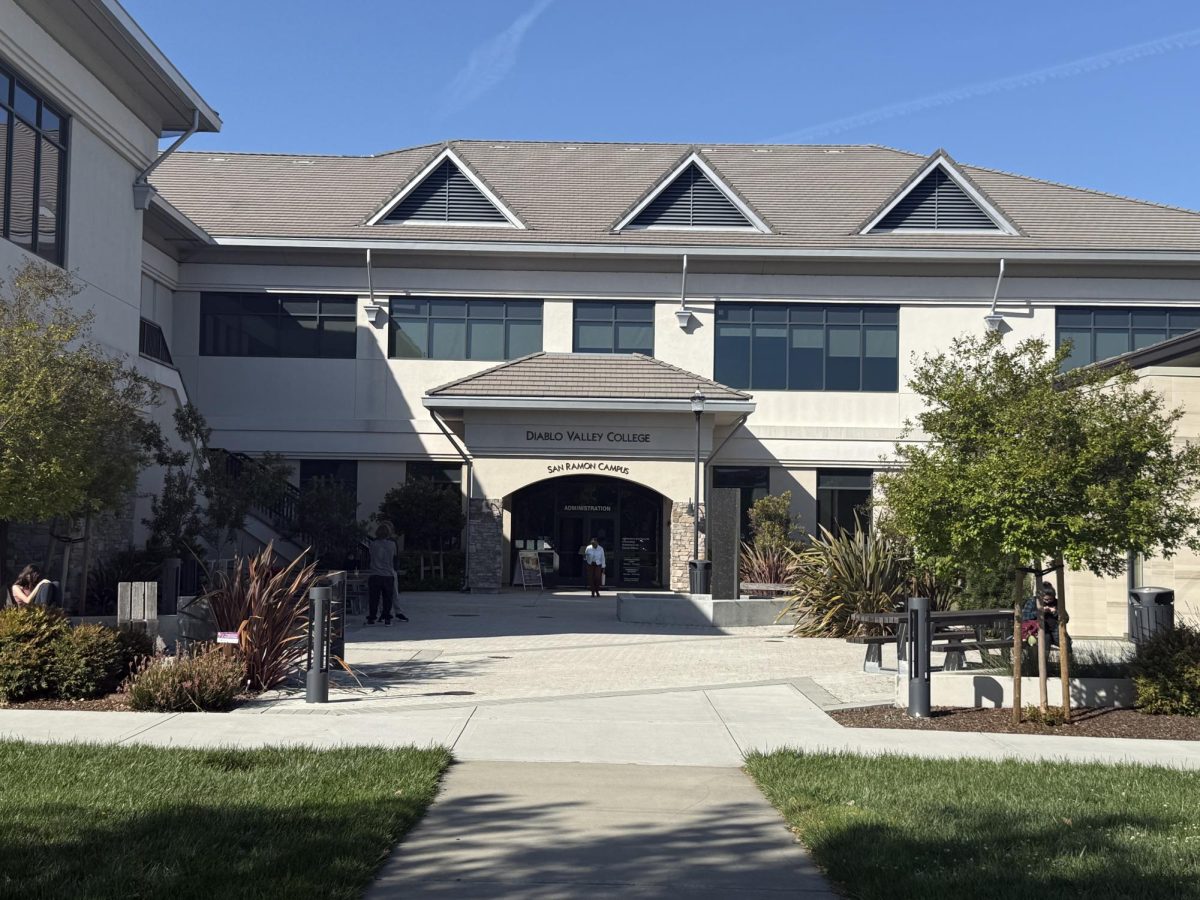
Transferring is a possibility, but the fact is, many students just don’t want to spend time at community college at all. It’s fine to feel that way, but it’s important not to overlook the benefits community college provides. Nearby community colleges like DVC, Las Positas and Foothill can all provide great learning experiences. Campuses are nice, professors are well educated and there are plenty of rich academic courses offered for all kinds of majors. Yes, it may not be as extravagant as the fast-paced college dorm life that you see all over social media, but it’s certainly not something to ignore.
It’s important to also consider the biggest benefit: cost. For many four-year universities, tuition can cost upwards of $150,000 for all four years and can often be extremely expensive for students and parents to afford. Often, students can take out loans, but that can cause them even more trouble down the line when they are left in debt trying to pay off their college expenses. Alternatively, community college would cost far less compared to other colleges. According to Niche, a college ranking and review website, tuition for nearby community colleges like DVC and Las Positas costs only $1,312 and $1,168 a year for in-state students, significantly less than the $30,000-$40,000 a year you would need to pay for other four-year universities. Combined with the ability to transfer to better colleges, you could save thousands of dollars while also ending up in the same place as your peers. Does that sound like the end? Or more like a strategic path of success?
While these are real benefits, students often find this very unappealing. This is because many are still ashamed to go the community college route and this is largely because of the stigma we have created here at DV. In our academically competitive landscape, students do whatever they can to get into top colleges and deeply value this objective. I heard many people talk about their dream schools: Ivies, the top UCs or other colleges specializing in their intended major. This atmosphere sets expectations high, where you’re not just aspiring to get into a good college, you’re almost expected to.
Even if community college feels like a path forward, it can be hard to acknowledge that your peers — the same people who you often felt did the same things as you — are going to their dream schools, while you are not. At DV, you are expected to get into prestigious colleges, so when you fail to achieve that and have to settle for community college, it can be devastating.
There’s simply so much societal meaning placed on how you go about your life after high school, and that mindset for students immediately gravitates toward how it looks to the public and what it says about them. That mindset is fixed. It keeps you dwelling on the past, not the future.
Choosing community college for many students is not because they are just dumb or lazy, but because they may feel that’s the best situation for them. Whether it’s another chance to prove themselves academically, a chance to save money, or an opportunity to live closer to home, it’s fine to choose what’s best for you, even though it may not look the best to your peers. And that’s okay, — it doesn’t show weakness; instead, it shows growth.
At the end of the day, not many people in the far future will ask you how you got whatever job or position you are in. They will ask about who you are and how you can make something of yourself. It’s not always about where you start, but how you shape your own journey.