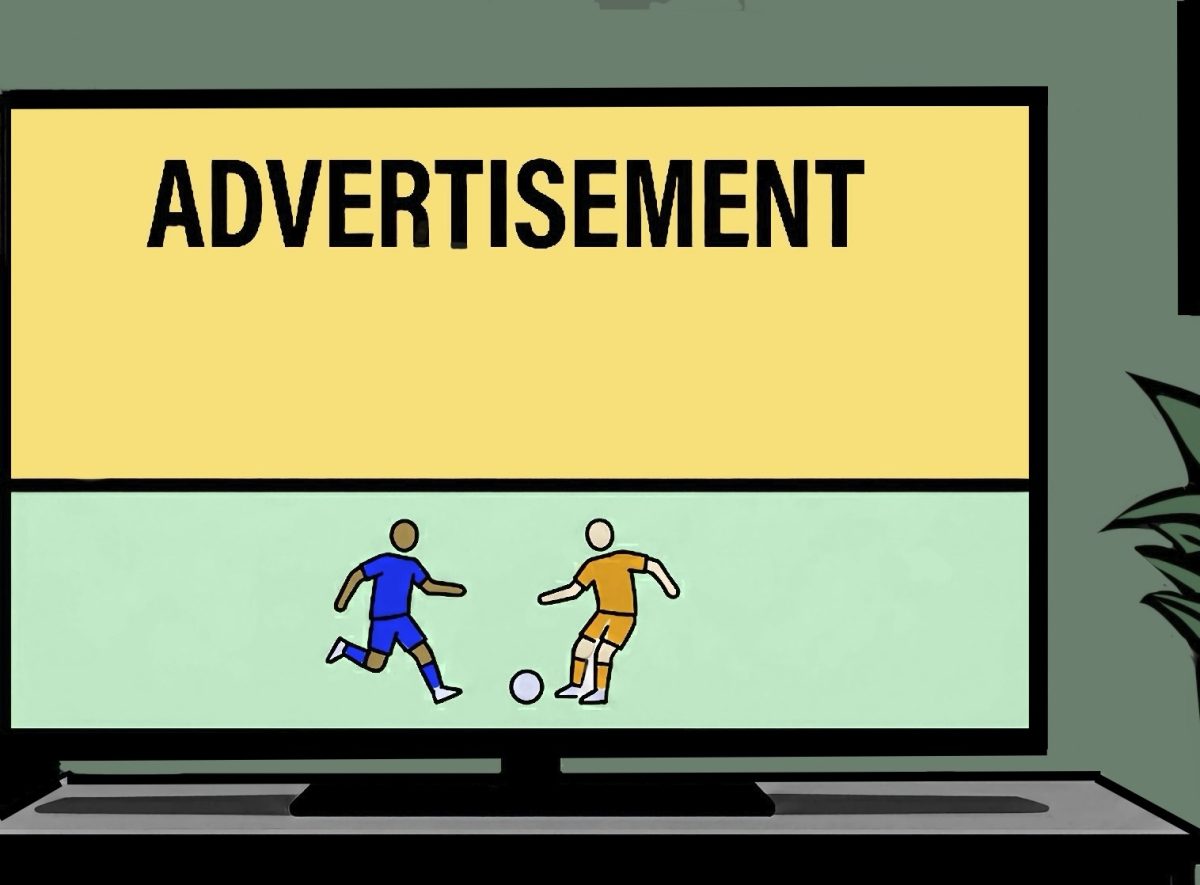
There’s a moment that happens in almost every major sporting event that has absolutely nothing to do with the sport. You see it right after a goal or during the slow pan before a serve, right as the logo takes over the screen.
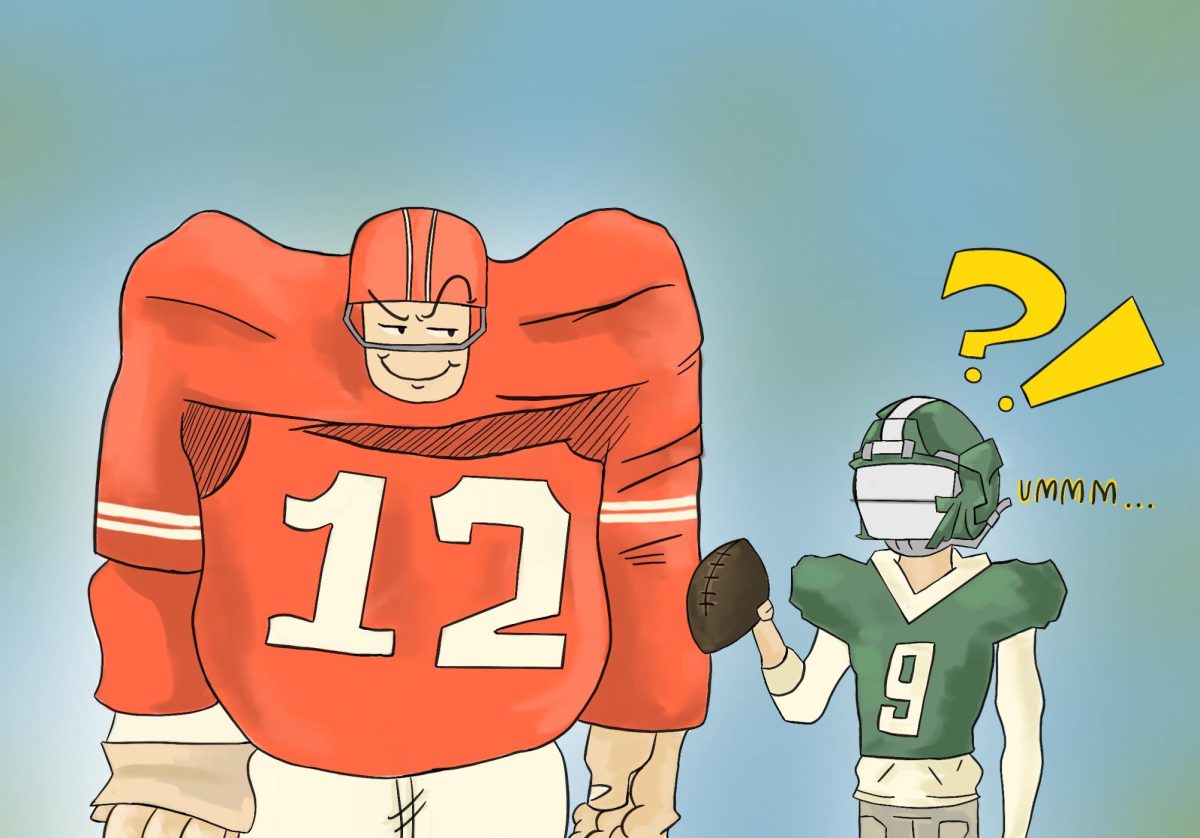
And then, almost apologetically, the game comes back. This is modern sport and it’s not what anyone had in mind when they built the stadium. I’m someone who believes that money has no place in athletics. That ship sailed a long time ago and I’m not here to pretend otherwise. But there is a real difference between sport that is funded by commerce and sport that exists to serve it.
For the first time in 2023, Global sports sponsorship revenue crossed $100 billion. The NFL makes about $1.8 billion dollars a year from sponsors, plus a $113 billion dollar TV deal. Formula One is just as crowded, with each car carrying an average of 40 sponsor logos. The super bowl, which is technically a championship game, is rather culturally understood as an advertising event first. What bothers me is not the money itself but what the money has quietly changed.
Athletes are now regularly asked to do things that have nothing to do with winning. The whole point of a press conference is often to show off sponsor logos while using a tired player as the bait to get people to look. NBA players have been fined for covering sponsor logos on their shoes with tape. Rule changes in cricket were partly designed to front load excitement for TV audiences who might not stay for a seven hour match. The Wall Street Journal once broke down an NFL broadcast and found that out of three hours of television were roughly 11 minutes of actual football.
The athletes themselves were token properties before they became champions. LeBron James earns more from endorsement than from his NBA salary. Cristiano Ronaldo’s social media following is an essential aspect within his contract negotiations. Performance on the field matters, obviously, but it is increasingly just one factor among many in the calculation of what an athlete is worth. The brand, reach and engagement matter.
Moreover, names like SoFi Stadium, Crypto.com Arena and Salesforce Park are not beloved. Nobody grows up dreaming of playing at Crypto.com Arena the way kids once dreamed of Wembley Stadium or Fenway Park. A stadium loses its soul once it’s named after a software company. It stops being a place where legends are made and starts being an inventory of sponsorship assets with seats attached.
To an extent this is partly just how industries work. The money that flows through professional sport has created better facilities, higher salaries and more global access than ever before. An imaginary golden age where sport was pure and untouched by capitalism is impossible because that age has never existed. Sports have always been tied to money,politics and nationalism. However, there used to be a hierarchy. The performance was the point, and everything else, including broadcasts, merchandise and sponsorship, existed to bring you closer to the game. In contrast,the game is just the hook that holds your attention between a persistent stream of ads.
The saving grace is that you cannot fake a great game. All the advertising in the world cannot manufacture the feeling of a last minute comeback of a record broken or an underdog who wasn’t supposed to be there. The commercial machine is enormous but it is parasitic on something genuine.
The danger is another commerce touched sport. The danger is that we stop noticing how much of what we’re watching has nothing to do with the game at all. Eventually, the sport becomes secondary to the business deals that fund it. We might still be watching the same players, but the game itself is being replaced by the brands that pay for it.