On Sunday, Nov. 2 at 2:00 a.m., Californians welcomed back standard time and an extra hour of rest. Students and staff have been affected by the recent time change to different extents, and daylight savings continues to be a topic of discussion among the DV community.
Time Magazine describes daylight savings as the process of shifting the clocks in order to maximize and make the best use of daylight hours during the changing seasons. In the spring, we “spring forward” and transition to daylight savings time, where we lose an hour of sleep by pushing our clocks ahead. This results in later sunsets and sunrises. In the fall, we “fall back” and gain an hour of sleep by setting our clocks backward and returning to standard time. This leads to earlier sunrises and sunsets.
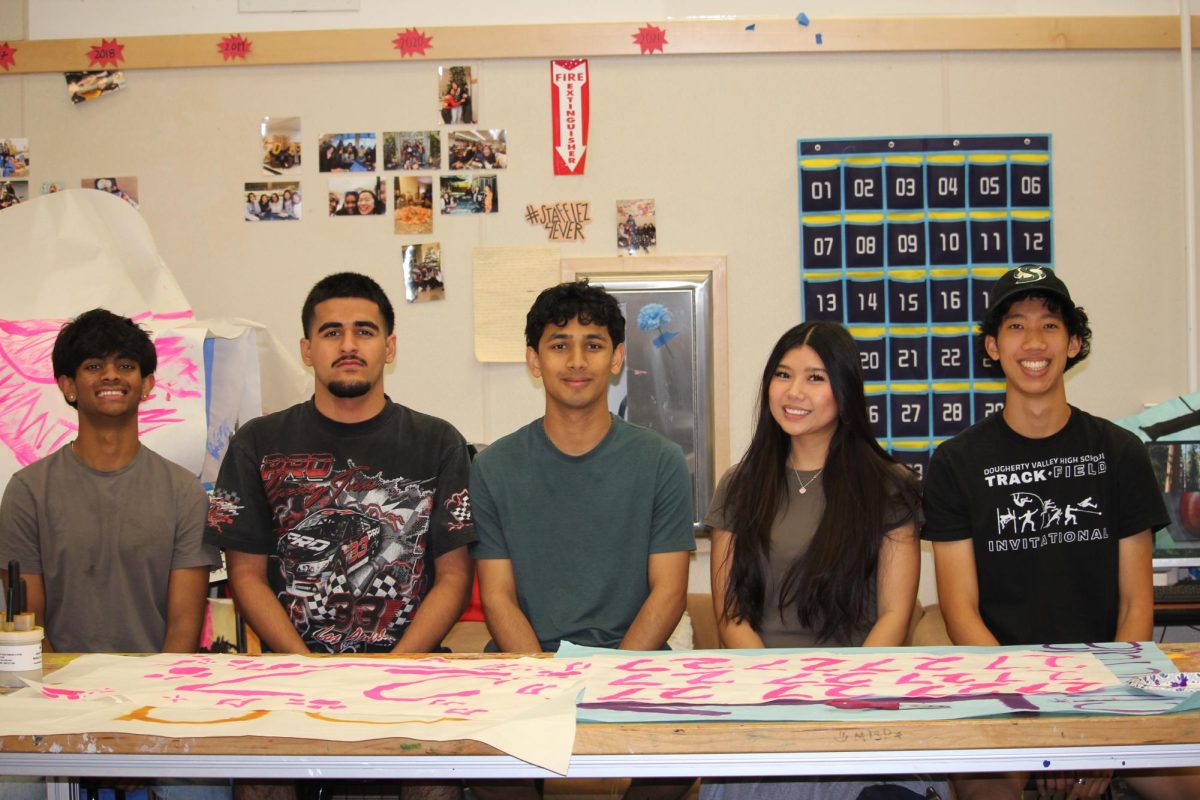
According to CNN, a lack of daylight during the day can make teens less productive. However, this wasn’t the case for senior Toshan Roy, who has been taking advantage of the time change to get his school work done more efficiently.
“My productivity has increased significantly,” Roy expresses. “I really needed that extra hour of sleep. Over the past few weeks, my internal clock has told me I can work for an additional hour, and it has given me an extra hour of productivity.”
He also proposed that the transition to standard time presented potential challenges for him, but has had a mostly beneficial impact.
“Although mornings are slightly harder to wake up to, I have PE first period, so it doesn’t matter if my brain doesn’t function then,” Roy shared.
According to CNN, it takes some people a while to adjust to standard time. NPR highlights how the shift affects teens more than other age groups because they typically get less sleep than adults in general. In line with this idea, senior Annika Pathak mentioned how the new time schedule caught her off guard.
“I feel like I’ve been thrown off balance, and it feels a little weird to wake up at the time I do even though it’s technically the same time. I’m a little more irritable.” Pathak later added, “I’ve found myself taking more naps.”
Students including junior Aarna Mohindru, have been unaffected by the change and are maintaining their original routines.
“My behavior and productivity have been the same because I didn’t personally feel a difference when we gained an hour. I didn’t feel like I slept any more or anything,” Mohindru concluded.
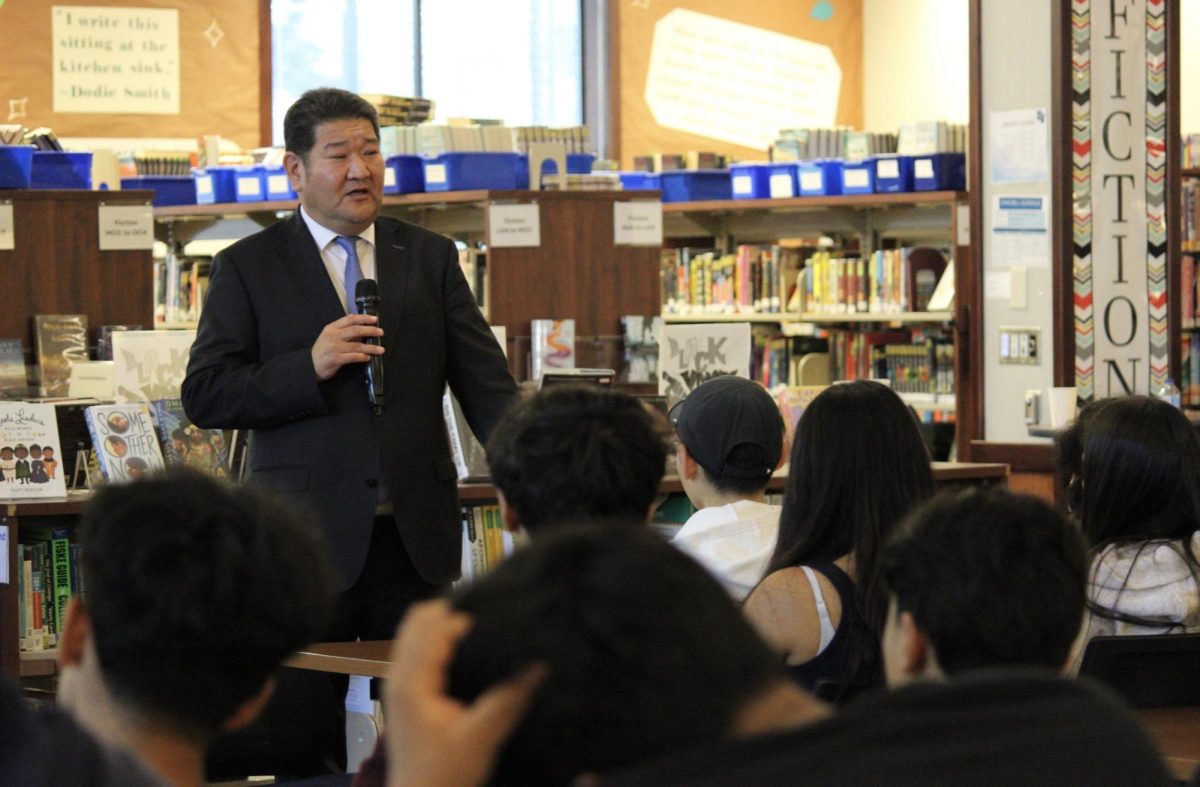
DVHS Wellness Coordinator Cheryl Wiker observed that teachers and students “are just not getting the sleep they used to.” She cites this issue as a culmination of the stress of closing out the semester and the disruption to their circadian rhythms because of daylight savings.
“The interruption to sleep and the stress make people very tired,” Wiker stated.
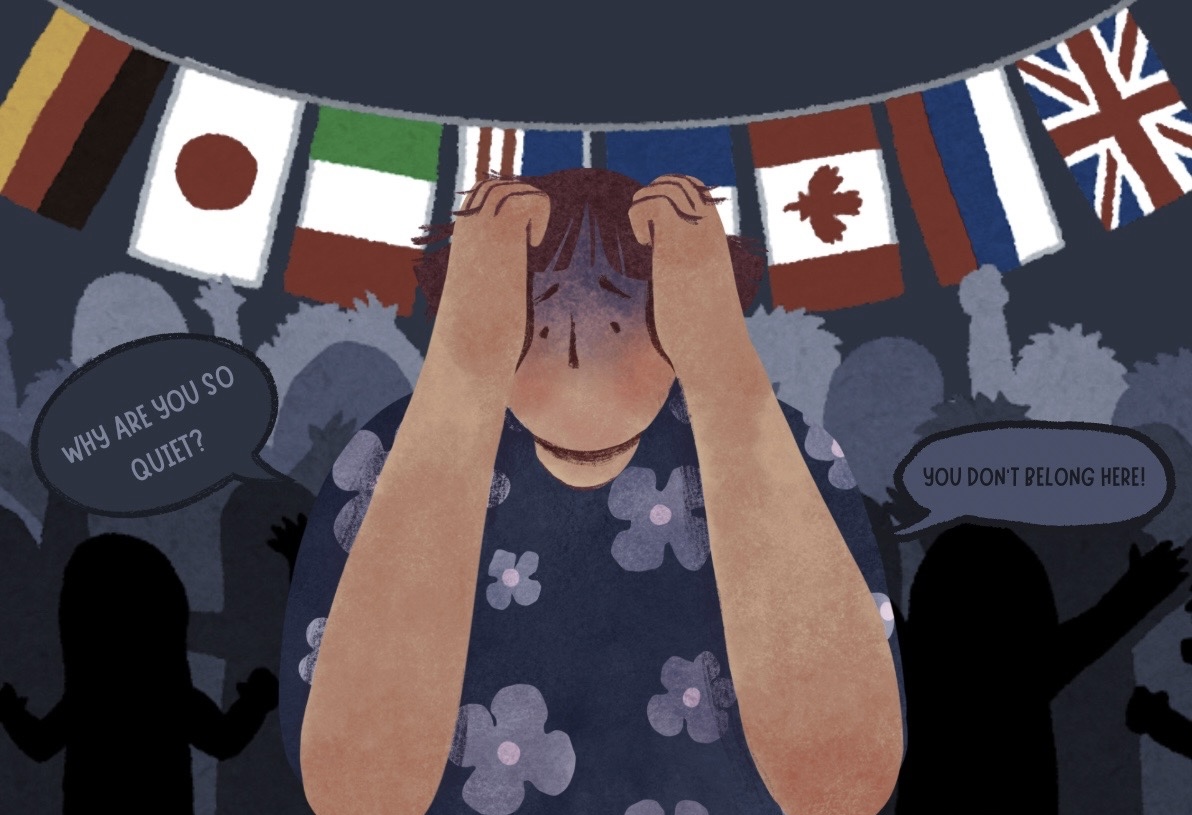
To some, the lack of sunlight exacerbated by the transition can cause seasonal affective disorder (SAD) which is characterized by consistent sadness, changes in sleep and eating patterns, and a lack of energy. GMA Chief Medical Correspondent Doctor Taran Narula emphasizes the potential negative consequences of daylight savings including mental health issues. In accordance with this conclusion, Wiker detailed the connection she noticed between earlier sunsets and the mood of her colleagues and friends, sharing how SAD has been more prevalent.
“A lot of friends and people say ‘boy when it’s dark at 5 o’clock that’s really hard for me because I get off work, I get off school, and I don’t have a lot of time. Then, I feel like it’s dark so much quicker, and that really affects my mood. It makes me feel kind of sad or not so cheerful,’” Wiker expressed.
Whether daylight savings should be continued or not has long been debated. Some argue that it should be abolished because of the inconvenience while others believe it presents some positives.
If given the chance, Pathak would continue changing her clocks between standard time and daylight savings time rather than picking one to stick to throughout the year.
“I would keep daylight savings just because I’ve been going through the routine of losing and gaining an hour every year, and it wouldn’t make sense to change it for me personally,” Pathak said.
Mohindru asserted her preference for daylight savings time over standard time.
“I would rather have more daylight during the day. I don’t like it when it gets dark out early, and I would rather have it be lighter outside,” she justified.