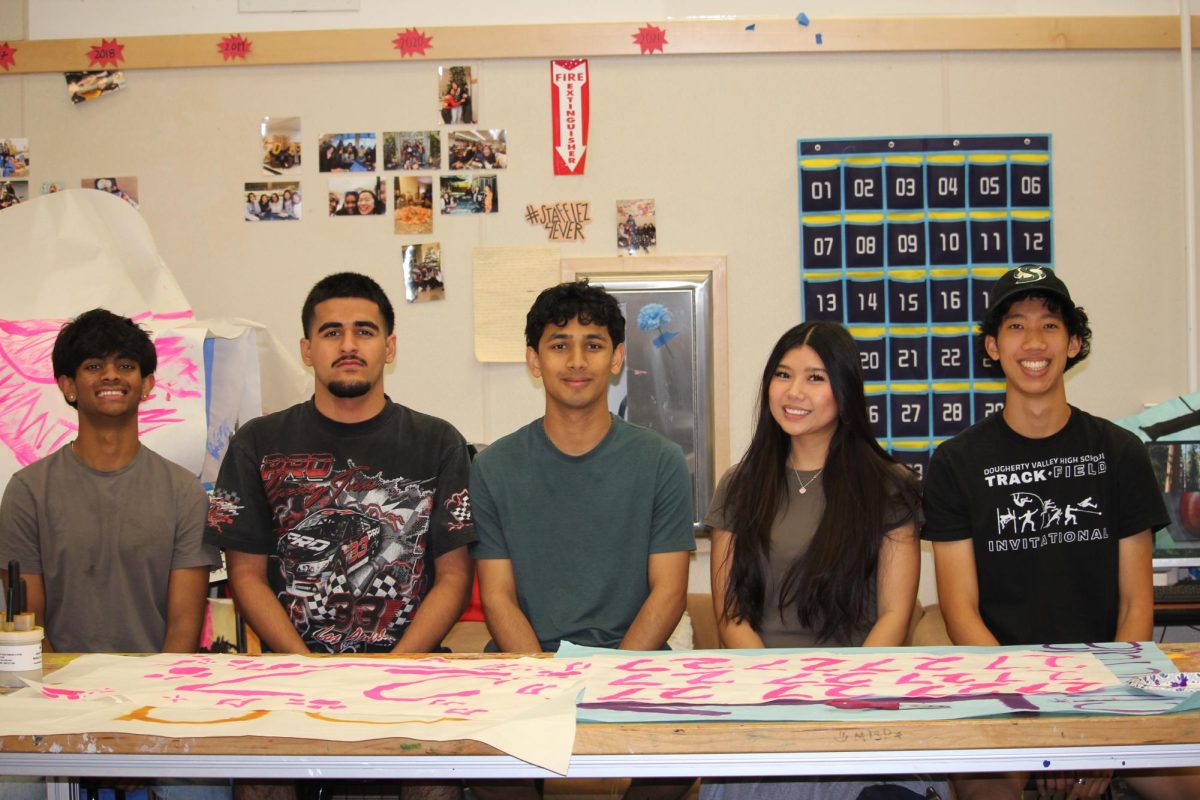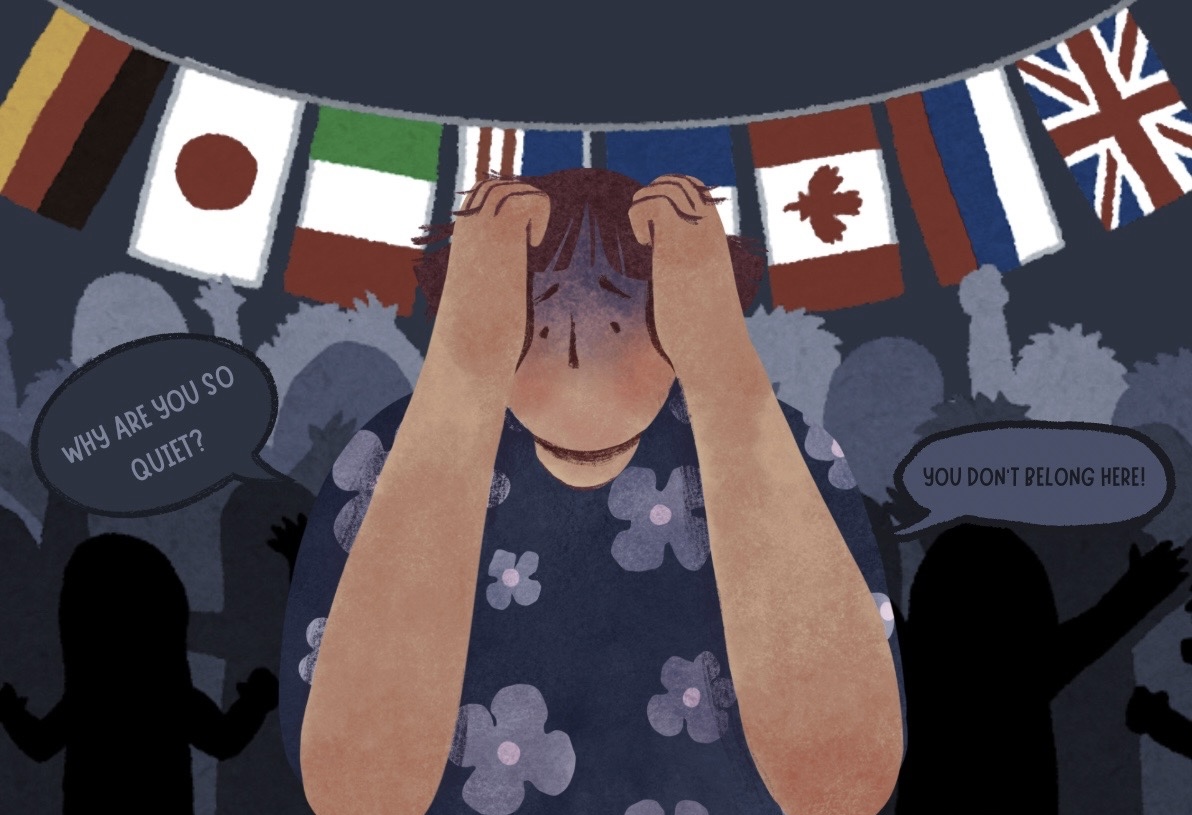
On the surface, Dougherty Valley High School appears to be a model of modern inclusion, yet beneath the high-achieving exterior lies a complex web of unreported racial tension and internal cultural pressure. As the San Ramon Valley Unified School District moves toward a more rigorous system of tracking hate speech, the actual daily experience of students remains largely obscured by a lack of formal reporting and a reluctance to address race directly.
The disconnect between the school’s administration and the student body’s reality is highlighted by a notable reporting gap, where incidents of hate speech often go undocumented because of the anonymity of the perpetrators. While the district attempts to foster a sense of belonging through cultural celebrations and the introduction of a new Ethnic Studies curriculum, both staff and students acknowledge that the human element of racism (the emotional toll and the fear of social repercussion) is frequently left out of the conversation.
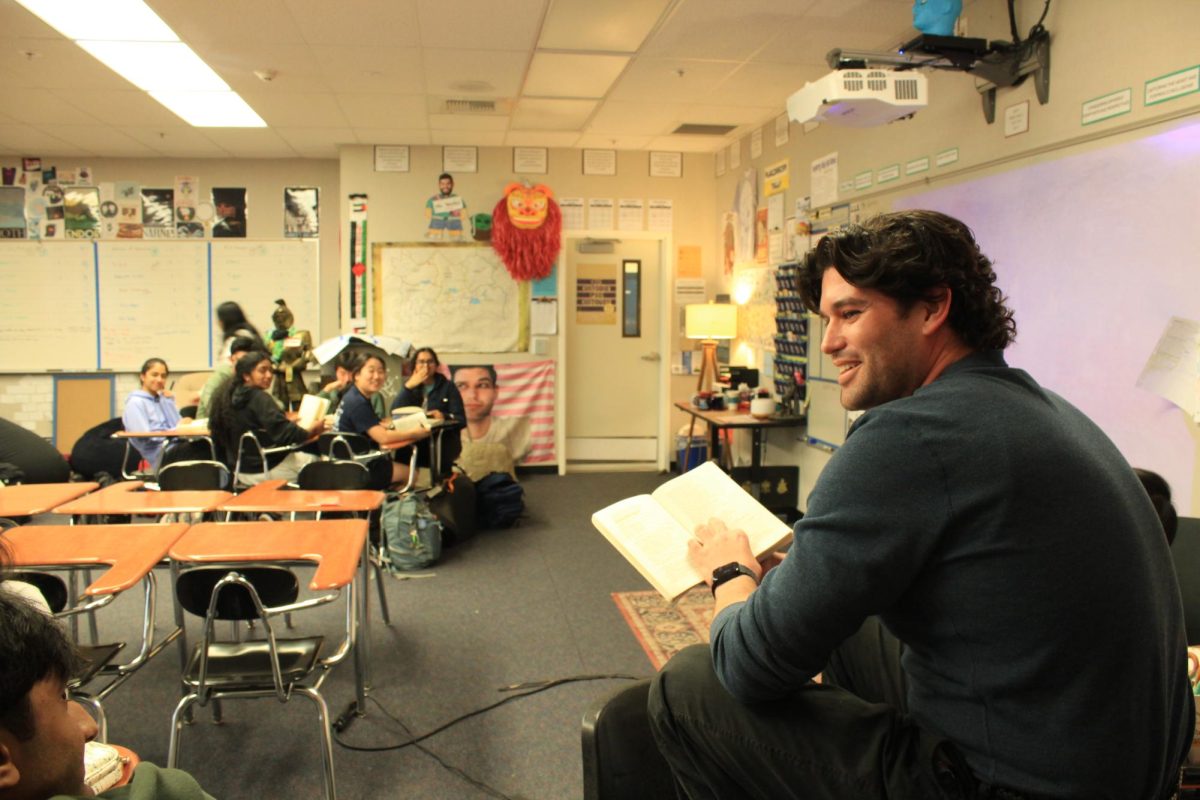
Wellness Center social worker Cheryl Wiker Genigeorgis observes these issues in student mental health. Yet, she notes that the topic of race itself is often avoided in favor of the emotional fallout it creates.
“It’s hard to talk about race,” Genigeorgis said. “It’s easier to talk about the symptoms that are produced from race. Like anxiety, stress, anger, lack of motivation. All those things are the symptom of racism.”
This avoidance contributes to a climate where students feel the weight of their background in ways that are not always visible to others. Genigeorgis explained that she often sees racism occurring within cultures, where students are judged based on whether they are living up to specific academic or religious expectations.
“I see that within different cultures, throughout our campus, when it comes to expectations academically,” Genigeorgis said. “Are you living up to the academic expectations of what we, as a culture, believe that people should be doing? And when they don’t, then they believe that they’re not really enough.”
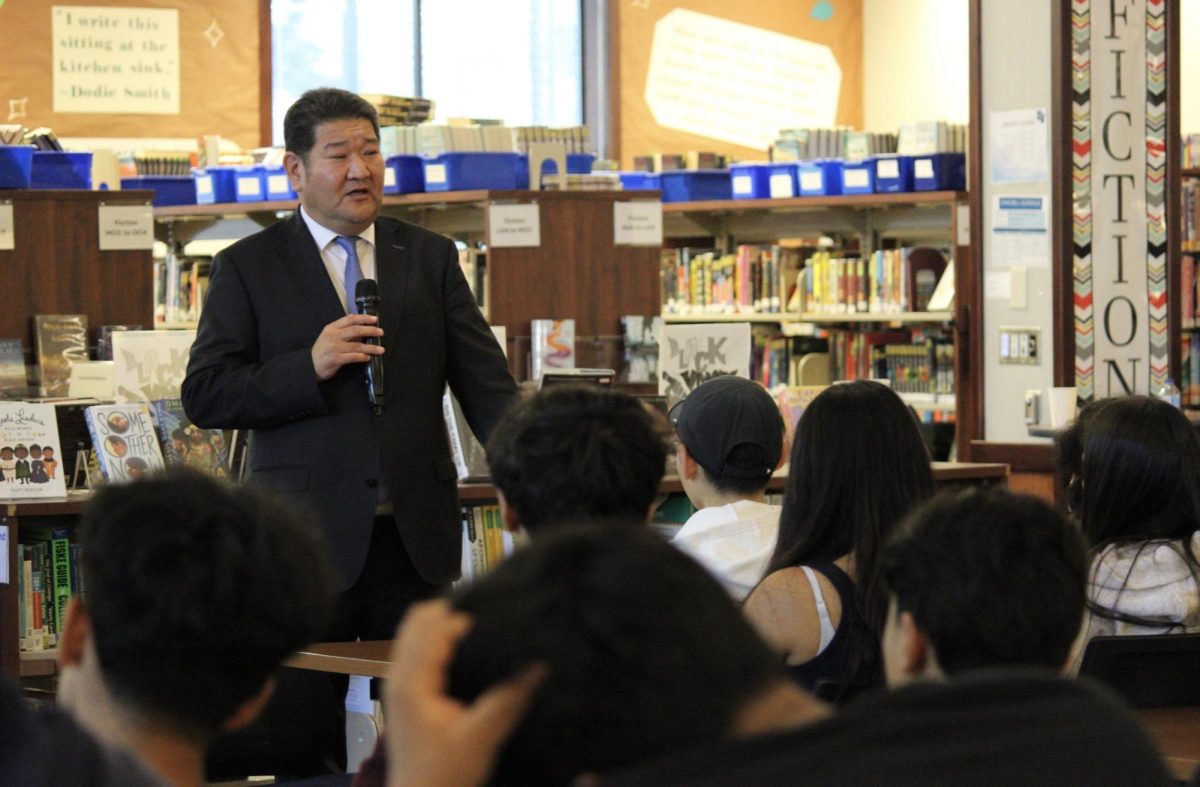
This internal pressure is compounded by the fact that many incidents of overt racism on campus are never solved. Assistant Principal Earvin Buckner explained that while the school has systems in place for reporting, the sheer volume of the student body makes investigation difficult.
“We have some random writing in a bathroom, like with 2,000 students, investigating oftentimes doesn’t really pinpoint the specific person,” Buckner said. “In an ideal world, if we know exactly who it is, there is that educational portion tied with the discipline, but oftentimes it’s just like, hey, we found this paper in the hall.”
The difficulty in tracking these incidents mirrors broader trends across California schools. According to the California Department of Justice 2024 Hate Crime Report, hate crime events involving racial bias in schools have seen a steady presence over the last several years, often peaking in environments where reporting systems feel impersonal or intimidating to victims.
Buckner noted that while the school seems safe, the lack of reports does not necessarily mean the campus is free of conflict.
“In terms of how often it’s reported, I would say, in my experience working in different schools, different cities, here, not reported as often, not as common,” Buckner said. “That doesn’t mean that it’s not happening every day. I understand students are not as comfortable maybe sharing or coming forward to an administrator.”
To combat this, the district is now utilizing data that tracks specific types of hate speech. National statistics from the U.S. Government Accountability Office indicates that one in four students aged 12–18 report seeing hate-related graffiti at school, a statistic that aligns with the random writing described by the DVHS administration.
Genigeorgis expressed concern that the school is not doing enough to proactively tackle the root of the problem.
“Is it being addressed? Probably not enough, because I don’t think that there’s enough awareness around it,” Genigeorgis said. “I don’t know if there’s an awareness of it so much to understand how to then tackle it with bringing it forward.”
Despite these gaps, the school does make efforts to celebrate diversity through visual symbols and holiday recognitions. However, the move toward true equity may require more than just hanging decorations or observing heritage months.
“One thing that we try to do is that we try to hit all cultures when we celebrate things throughout the year,” Genigeorgis said. “We have a menorah for Hanukkah. We have Kwanzaa candles. We have a Christmas tree, and we’re really open to celebrating.”
As Dougherty Valley continues to grow, administrators and support staff face the persistent challenge of reconciling the daily symptoms of racial stress with formal disciplinary procedures. Without clear identification of anonymous incidents, student experiences regarding academic expectations and peer interactions often remain unrecorded within the formal school record.
Steps to change the culture involve willingness of the community to speak up. Buckner encouraged students to find at least one person they trust to report what they see, even if it feels small.
“Go to an assistant principal, or the principal that they like and they feel comfortable with,” Buckner said. “Come to their counselors, come to the wellness center, come to somebody that’s walking on campus, anybody they feel comfortable, go to somebody on campus and say, ‘This is what happened to me.’”