Every year, DVHS seniors apply to trade schools, community colleges and 4-year institutions, a path followed by this year’s Class of 2026. Though the Common App is a widely-used system to apply to many of these institutions, DVHS’s counselors also assist students with any help they may need, from using alternative application portals such as the Coalition app to answering any questions that students may have regarding the general application process.
When students first enter high school, they are divided by last name and assigned to a counselor who assists them throughout their high school years. However, there have been mixed responses regarding the quality of help received by said counselors.
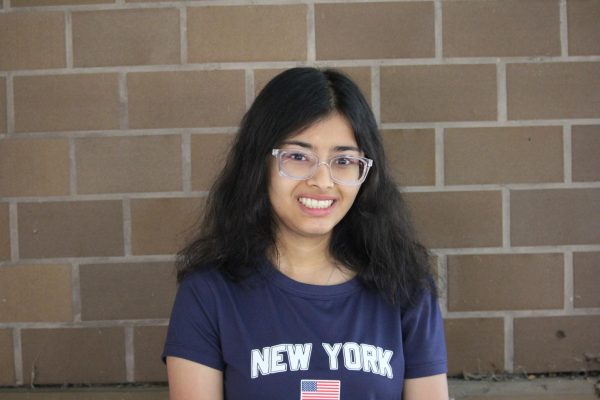
“I think the counselors try their best,” senior Niveda Banerjee shared. “But I feel like because there are so many people at this school and all of the seniors flood the counselors, it’s really hard to get substantial help.”
On the other hand, some students are pleased with the assistance they are receiving from the school counselors with their college application process.
“I’ve talked to my counselor more times than I can remember about college apps,” senior Sarath Sista stated. “My counselor has been great at answering all my questions.”
One of the counselor’s other tasks is to help students ensure they are on track for graduation.
“Counselors meet in senior English classes in early September to go over a general overview of the application process,” counselor Meagan Sellers explained. “Then we meet one-on-one with each senior to talk about their personal plan after high school. In that meeting, we go over SchooLinks, the letter of rec. process, specific application processes for their college lists and general questions.”
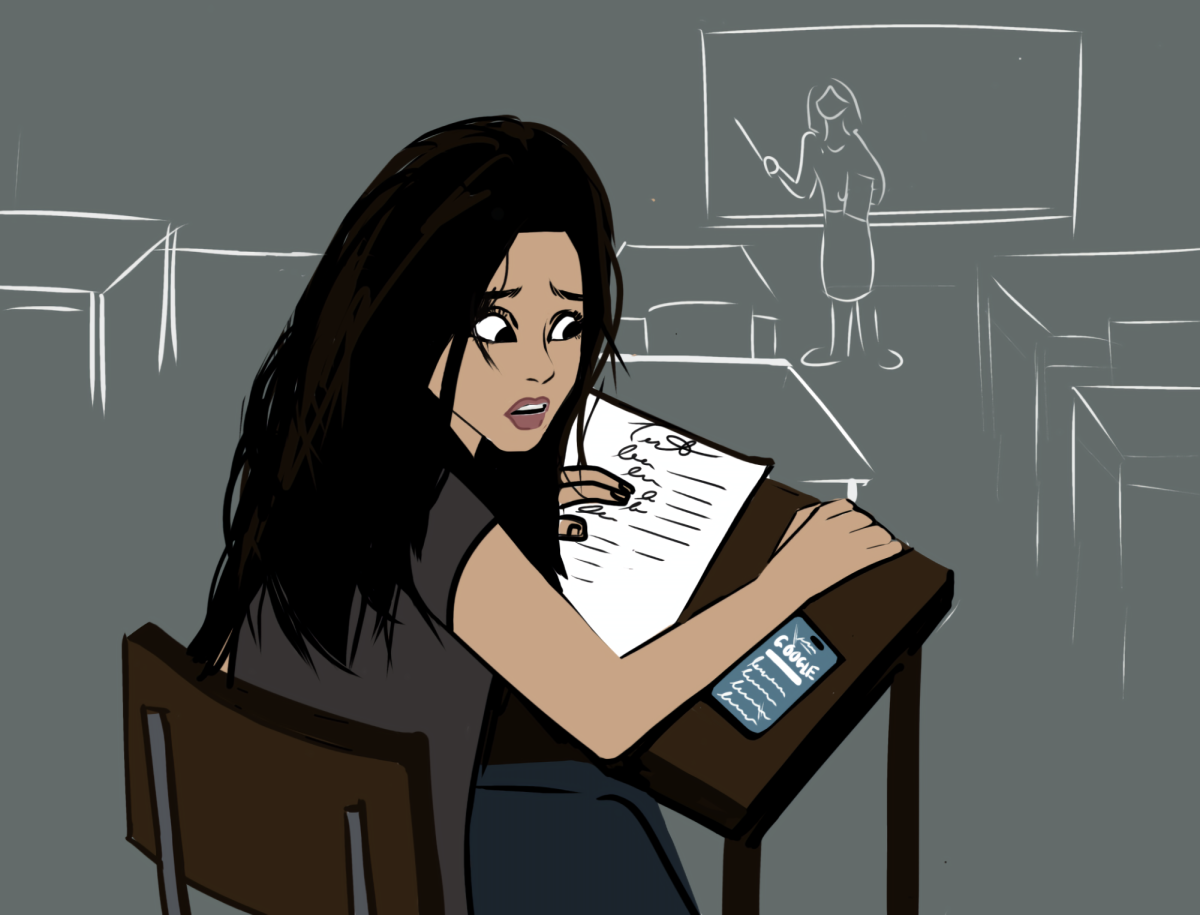
Research shows that 73% of students worry that small mistakes could hurt their chances of getting into college. Furthermore, around 52% of students feel pushed to apply to a long list of colleges, while 48% feel pressured to apply to colleges they aren’t interested in.
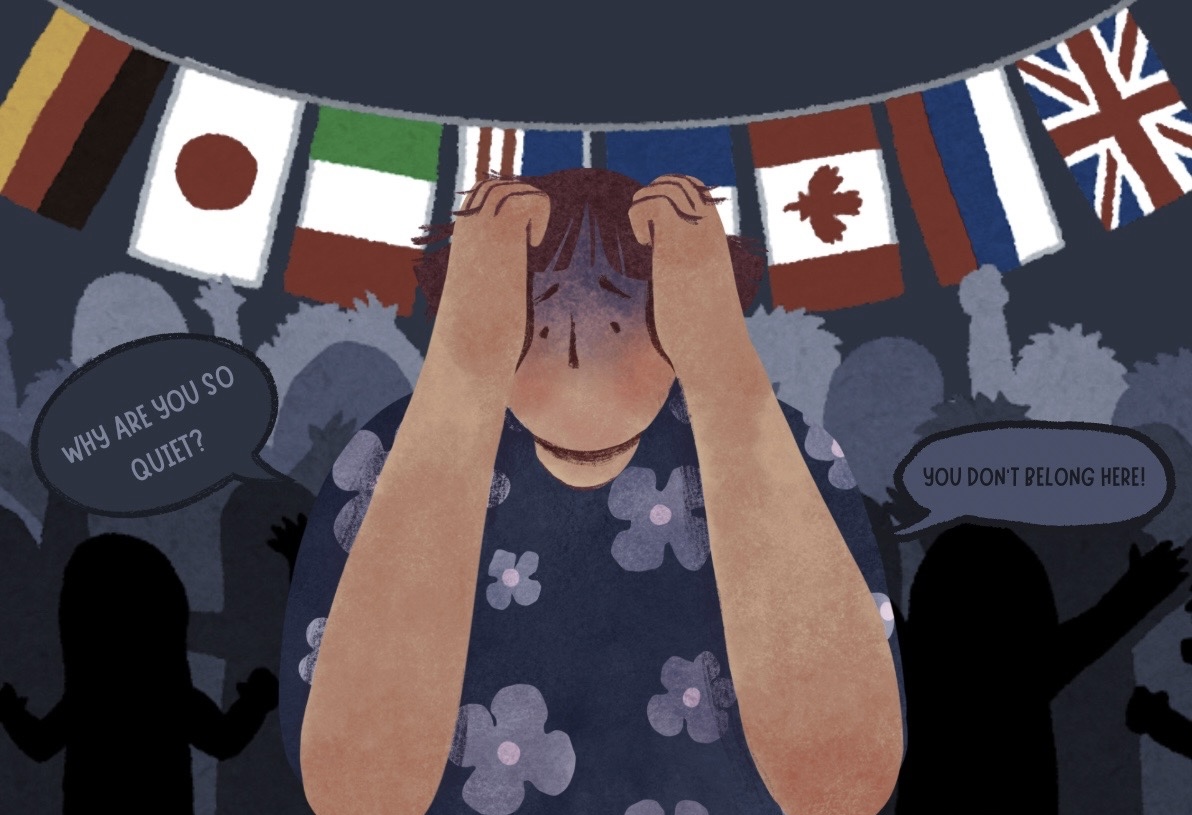
Senior Anshika Poruri expanded on this, stating that, “It’s hard mentally because you’re thinking about how another person will perceive your writing, so it’s like you’re trying to be authentic, but then you’re scared to say something in a certain way that won’t reflect well on you.”
Some students feel that they aren’t ready to make such big decisions regarding their careers, holding high-ranked colleges in higher regard than state colleges.
“Obviously a degree from Stanford is going to be worth more than a degree from Oregon State, even when you’re applying to jobs or to further study programs,” Sista explained. “So, it’s a big decision, and I’m honestly questioning why it’s being forced on us at this age before our brains are fully developed.”
One of the other factors a senior has to consider is money. Smaller schools typically award more scholarship money compared to big-name institutions. For instance, Arizona State University gives out roughly $54,000 annually in merit-based scholarships based on student performance, whereas USC rewards about $10,000.
“Oftentimes when students are early in high school, they have big dreams, which is great,” Sellers said. “And when senior year comes and acceptance letters come with very handsome scholarship packages from less competitive schools, it’s hard to turn them down! So our students go to those schools and have amazing experiences.”
As the college application season comes to an end, students and counselors are slowly gearing up for final exams and a fresh semester after winter break, and getting closer to the big graduation date.
“Soak up the final chapter of high school and embrace the transition to the next chapter,” Sellers concluded. “Have an open mind and embrace new opportunities. We will miss you!”