Since August 2025, DVHS students enrolled in special education classes have taken integrated general education courses such as Art I and Yoga. Administrators sought to allow students with disabilities to gain valuable skills experience that would help them thrive after graduation. However, some students and teachers have struggled with challenges such as increased workload, occasional classroom disruptions and allegations of a lack of support from administrators.
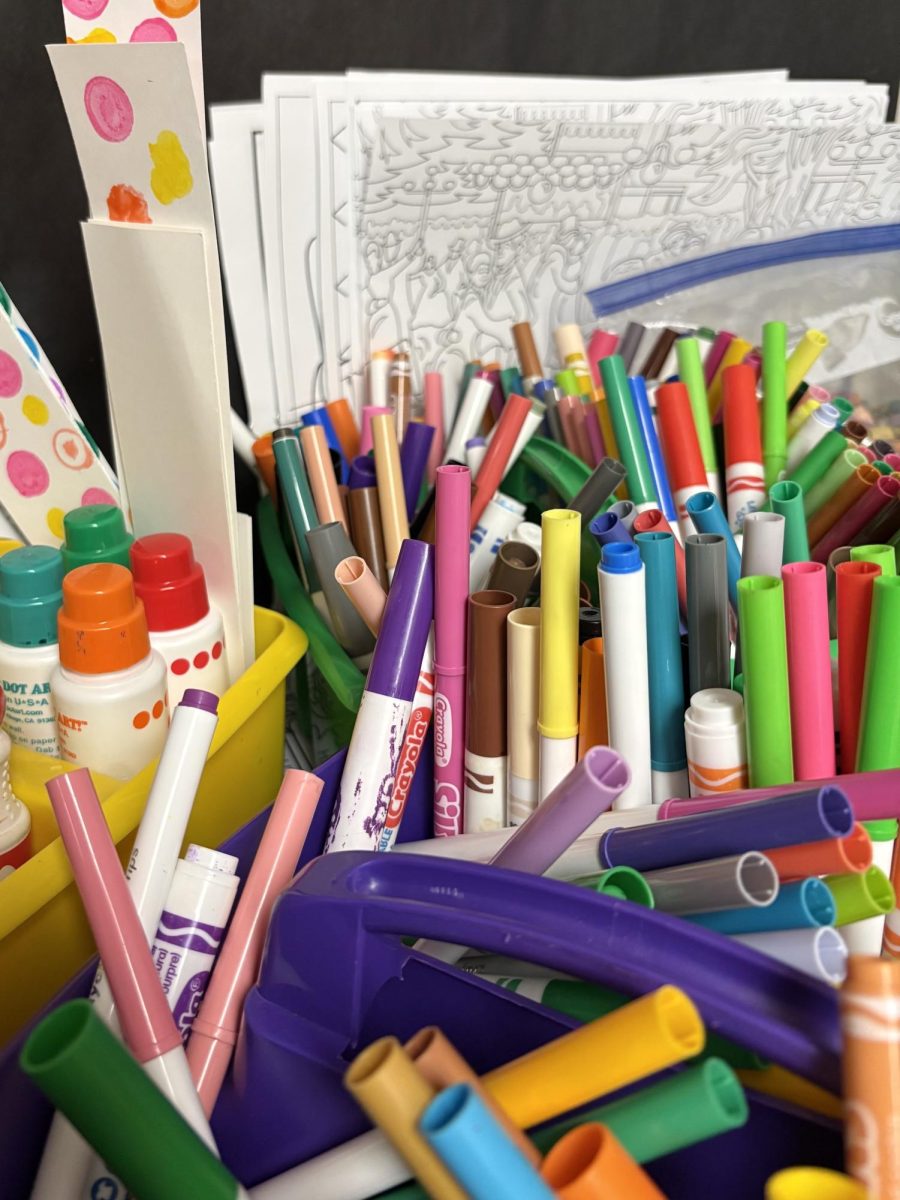
Some students have observed the strain that Kelsey Wengel, the Art I teacher, has experienced when managing the different needs of general and special education students in one classroom. Wengel is responsible for not only teaching Art I curriculum, but ensuring that students with disabilities are receiving the same level of instruction, and able to complete said instruction safely, a task that splits much of her attention. But that increased demand on the teacher can cause the overall class experience to decline for all students. Wengel and other art teachers were unable to comment on the situation.
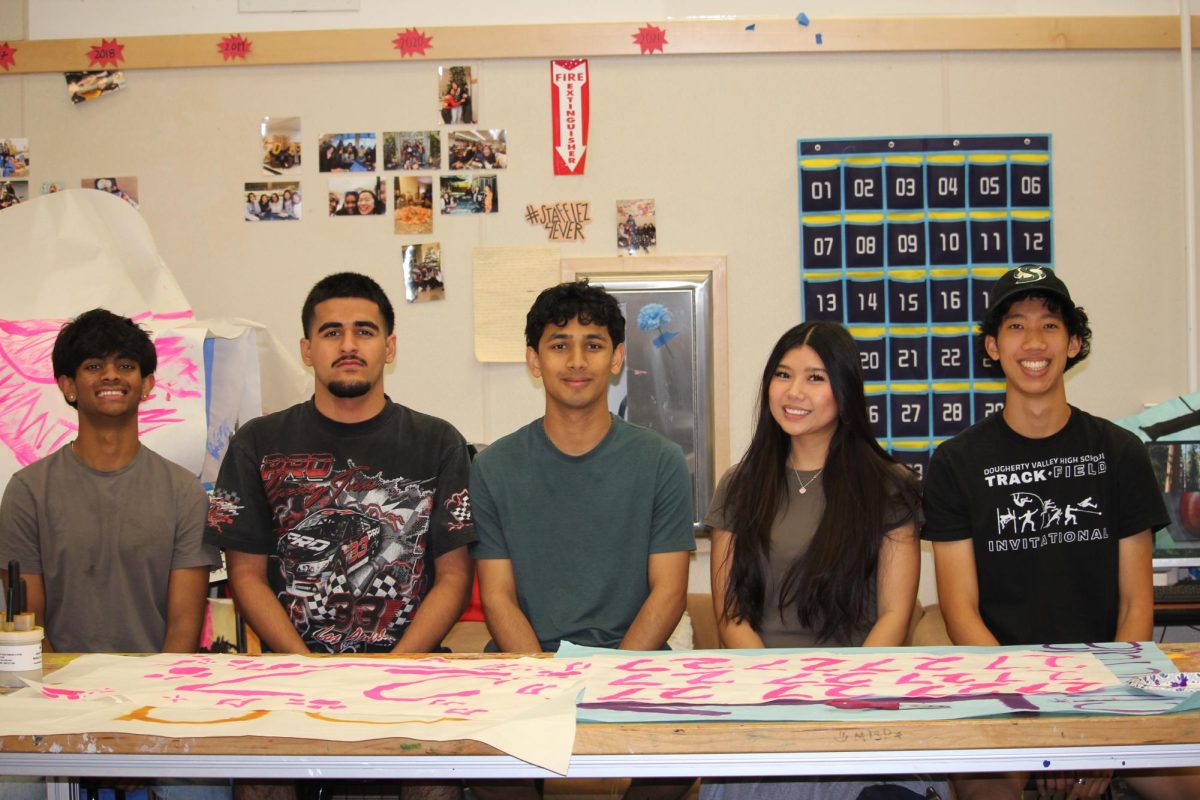
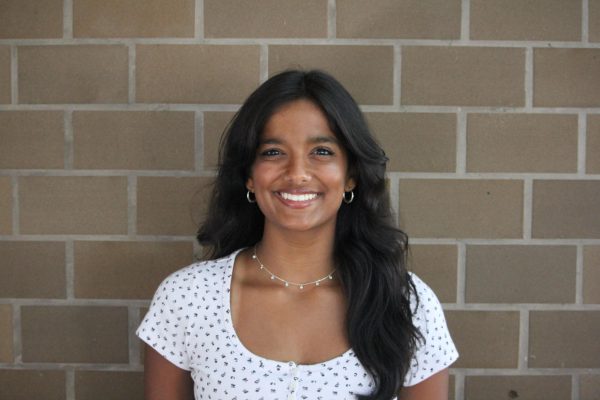
Regarding the integrated classes, senior Madina Shahabi, a student in one of Wengel’s Art I classes, explained that “I don’t feel like it’s really affected anyone’s ability [to learn].” Shahabi added, “It just got loud sometimes but the… teachers got it under control and I feel like Ms. Wengel was very patient. She just has to deal with two [groups] at once. I think it’s very stressful for her.”
Ideally, teachers would receive additional support in planning, classroom management and physical supplies when combining students with diverse educational needs. Unfortunately that level of support is not always provided, often due to funding and logistical constraints.
Junior Jamie Mar, a student in one of the integrated Art I classes, experienced rewarding interactions between students in general education classes and students enrolled in special day classes. However, she also admitted that there have been negative altercations as well.
“One of the students slapped me, slapped the glasses off my face,” Mar recalled. Although this appears to be an isolated incident, Mar is unaware of any follow up from either administrators or paraeducators assigned to provide support in the classroom.
When asked, the administrators at DVHS were unable to comment. However, Yoga teacher Ann Noel Booras shared her own experiences in integrating students with disabilities into her classroom.
Booras described a learning curve in adapting her teaching methods and the effort that goes into ensuring a proper learning environment for all students. At the beginning of the school year, Booras faced a similar struggle to those observed in Wengel’s classroom.
“I found myself completely ignoring most of my [general education] kids and focusing all of my attention just on the special ed kids,” Booras recounted. “I realized that I was doing a disservice to two thirds of the kids of my class, so I had to take a look at myself and figure out how I could make this work more effectively for everyone.”
These experiences have made Booras “aware that everyone is both different and capable, and has different needs and abilities, and so it really tests me as a person to make sure that I’m trying to do my best to provide the best experience for everyone.”
Despite the challenges, Booras emphasized that integrating students with disabilities in general education classes builds a school community where every student can learn from one another.
“As a gen ed student, [they are] learning things like empathy and patience and compassion…and for our special ed students to also learn from our gen ed students that they are smart, that they are loved, that they are included and that we are supposed to be one community,” Booras explained.
Shahabi echoed that sentiment as a student who actively assists Wengel when difficult situations arise in the classroom.
“It taught me to [be] more inclusive with people and it taught me patience. When it gets loud people usually wear their airpods and try to disregard it, but I try to actually talk to a few students and try to calm them down, and get to know them, know how their day is, because they have feelings too,” Shahabi said.