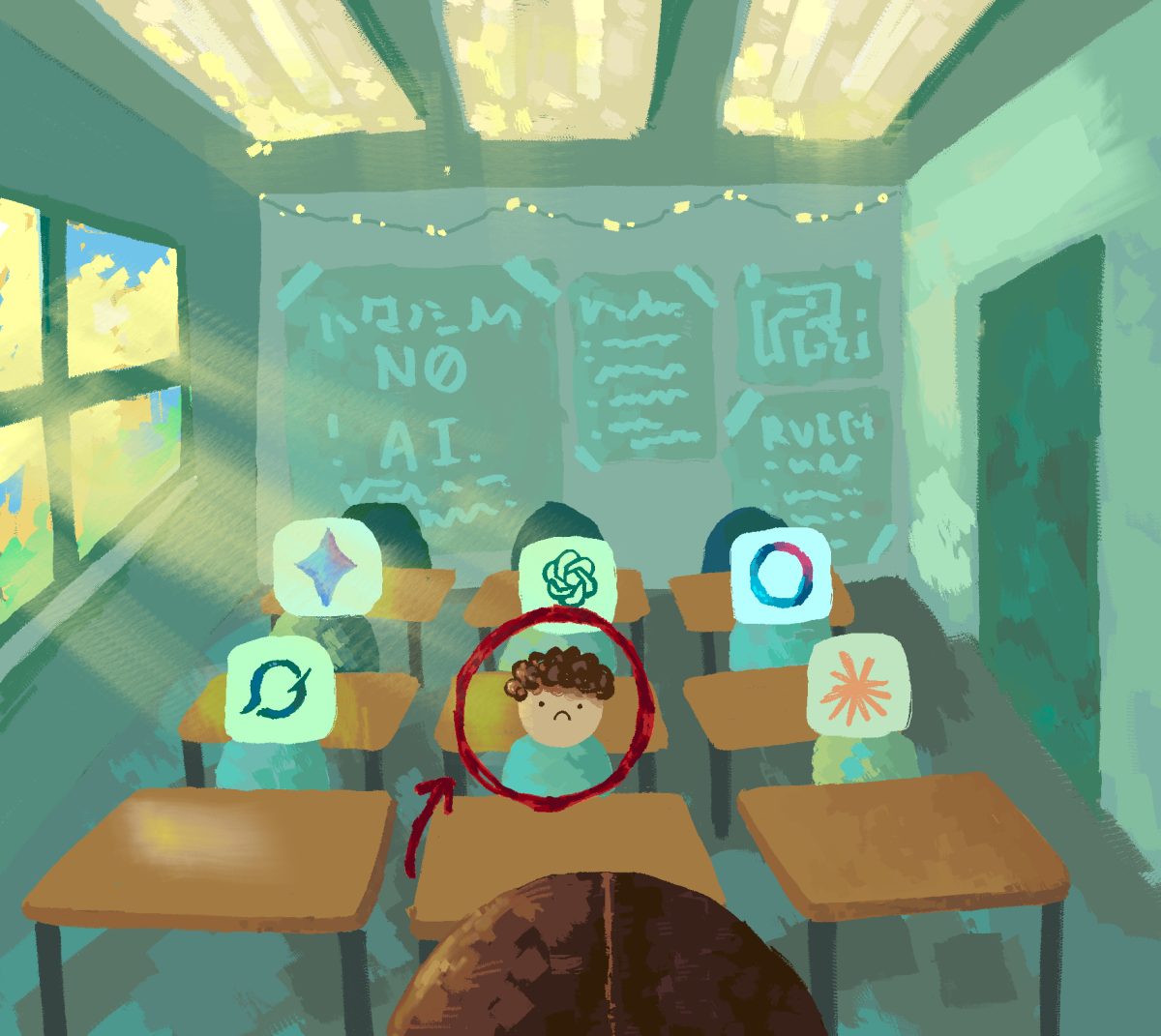
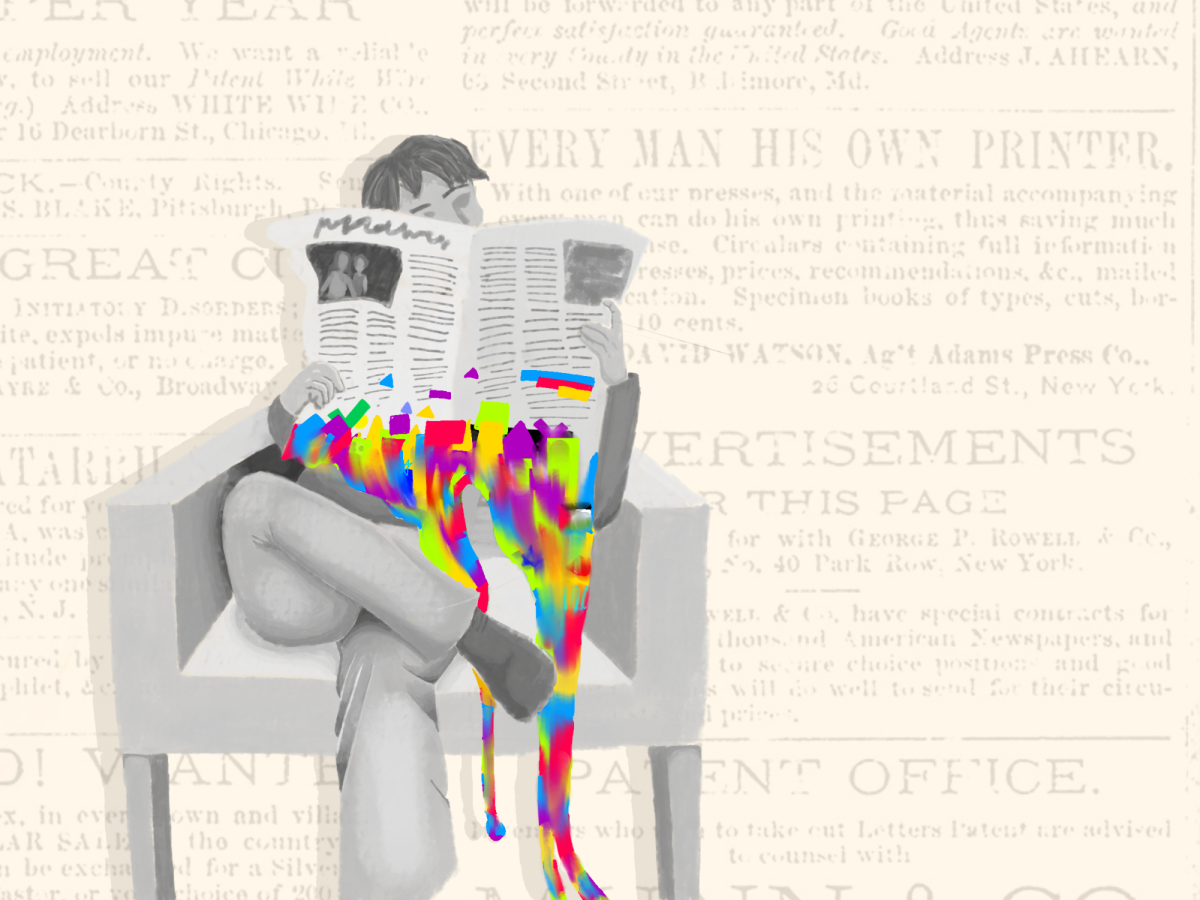
We live in an age where all activism efforts fit neatly into a cropped and hashtagged box. Justice trends for only 24 hours before vanishing beneath a new viral sound. In this era of performative compassion, it’s easier than ever to act like you care, but even harder to prove it.
Slacktivism, the act of signaling support online without taking tangible action, has become the silent killer of real change-making. It has fundamentally diluted the meaning of advocacy, replacing progress with fleeting validation. The result? A generation that believes that simply reposting something on their Instagram story can make a difference.
Several behavioral science studies show that when people are just publicly displaying their support for a cause, they experience a sense of moral satisfaction, as if they’ve already done their part. This occurrence, dubbed moral licensing, makes an individual less likely to take meaningful action after making that first step.
This implores the broader question of how deeply humans are driven by personal gratification or egoism, even in interests that seem outwardly altruistic. Someone who continues to repost TikToks about how climate change may subconsciously feel like they’ve contributed significantly to the cause, thereby reducing their motivation to volunteer, donate, or change daily habits, efforts that actually improve the issue at hand.
In a world facing grave humanitarian crises and political instability, the need for real, sustained action has never been more dire. Under the Trump administration, America has transformed into a stage for digital polarization, devolving every issue into viral discourse and culture wars. The administration’s inflammatory ideologies on race, immigration and the media, among other outrageous topics, have only deepened the fractures, turning civic activism into digital theater. America has become hyper-aware, yet paradoxically detached, a country trapped doomscrolling through its own chaos.
The same pattern has repeated itself globally. When the conflict in Gaza intensified, feeds were flooded with sympathy-inducing petitions and emotionally appealing infographics, but the interest dissolved into the scroll as quickly as they popped up..The same happened with Ukraine. Initial waves of Ukrainian flag profile pictures, charity links and online solidarity faded as the war continued on and other stories caught the public eye.
In both cases, the internet condensed human suffering into bite-sized content. It’s dehumanizing, to say the least. Real issues such as war, displacement, inequality and oppression were consumed, reposted and then forgotten; casualties of a world that thrives on novelty rather than persistence. It’s a never-ending cycle that confines us to what we have collectively decided to believe is the extent of actions we can take.
Today, silence online is often interpreted as apathy, and public involvement on social media in terms of advocacy is treated as a moral requirement. This pressure fosters an environment where people post not because they are informed or engaged, but because they fear the social backlash that comes with it if they don’t. Activism becomes a show put on to appease the media, which is rarely, if ever, actually sustainable. Additionally, marginalized groups often see their struggles drowned out by performative posting, their very real experiences cut up into some podcast episode that fades just as quickly as the value of the limelight they’re given.
Moreover, social media platforms aren’t built for justice; they’re built for engagement. Algorithms amplify emotion and spectacle, not accuracy or impact. Emotionally charged movements with a lot of dramatic flair receive disproportionate attention in comparison to issues less prominent in those departments. For example, viral tragedies or celebrity-endorsed movements, such as #MeToo or #SaveTheTurtles, attract significantly more screentime while long-term issues like food insecurity or education reform fade into obscurity. Through this, social justice becomes aestheticised and just another digital accessory to flaunt rather than a collective responsibility of all those who live on our planet.
The transient nature of online activism makes it ridiculously easy to leap from cause to cause without addressing the root of any single issue. Movements that once gained millions of shares can disappear overnight, leaving no structural change behind. This also gives policymakers and organizations leeway to easily dismiss public outrage as temporary and ostentatious because many campaigns fail to produce consistent, organized pressure.
History proves that time and time again, the consistent pressure is exactly what drives reform. In 2011, the Occupy Wall Street protests against economic inequality and corporate greed took over Zuccotti Park in New York City. It successfully shifted the national dialogue towards issues of wealth disparity, sparking conversations that influenced the political rhetoric for years to come.
In 2018, the March for Our Lives, born out of the Parkland school shooting protest, channeled that same energy by mobilizing millions of people across the country to demand stronger gun control legislation and enforcement. It transformed into a pivotal moment in the gun law debate and solidified the role of youth activism in the conversation.
To be clear, awareness does matter. It’s the foundation of all movements. But awareness without action is like lighting a match and dropping it into a bucket of water — inherently useless. Social media should be the starting point, not the finish line of advocacy. Sharing a post is beneficial to call attention to a problem that needs to be addressed, but if it replaces any sort of tangible involvement like volunteering, fundraising, or political engagements, it becomes an obstacle in the path to true justice.
At the end of the day, the danger of slacktivism doesn’t lie in its presence but rather in its prevalence. Real change requires moving beyond the dopamine rush of the digital world. That means reading beyond the captions, engaging in uncomfortable discussions, supporting local initiatives and holding both the institutions and oneself accountable. So long as activism remains confined to our screens, the movements that matter most will slip away as quickly as they go viral. We can’t slack on changing our world, and slacktivism serves only to amplify current issues, not sustain them. The responsibility for change lies in our hands, not our screens.