“May the odds be ever in your favor,” said our beloved President Trump, boring laser beams into the souls of millions through their flatscreen TVs. Well, he didn’t actually, but he might as well have.
On Dec. 18, 2025, during a press event linked to the highly anticipated festivities for America’s 250th anniversary, Trump unveiled his manifesto, one that entailed a spectacle adequate for the verve of the moment: the Patriot Games. Two tributes (high school athletes), one boy and one girl, from each of the 12 districts (50 states) fight each other to the death (compete in enlivening, white-knuckle sporting events), televised live for people all over the country to witness.
As the announcement sank to true depth in the consciences of many, the masses took to social media to lament on the “dystopian” future that seems to be in store for America, noting with trepidation the thousands of mirrors from Suzanne Collins’ wildly successful book series The Hunger Games to the Patriot Games. But as fascination with the spectacle eclipses the narrative, the parallels risk giving in to the idea that this crucial policy decision has roots too fictional to consider the weight behind it. The focus on the game’s symbolism and what that potentially means for this country may be entertaining, exhilarating even, yet it also serves as a wake-up call. A high-pitched ringing, screaming that the loudest events are the easiest way to distract from the less visible, more consequential actions happening behind the scenes.
Public discourse on our imminent descent to an Orwellian hellscape has comfortably situated itself on the memificated aesthetic of it all. The Hunger Games framing dominates the conversation, with talk of statistics showing the likelihood of an individual being selected to compete, faux propaganda posters of potential contestant outfits, and weighing which states would most likely produce “career” tributes. In general, discussing everything about the future and nothing about the implications of the games in the present: the power such a policy quietly claims. Pop culture has flattened this turning point of a political decision into a joke.
By treating the Patriot Games as fiction, the public has effectively neutralized their political urgency and potential danger, subconsciously assigning them the weight of fable rather than the gravity of reality. And this is where the danger deepens. When a society learns to mistake spectacle for mere entertainment, it places itself directly in the oldest political trap in history.
Since the dawn of time, dictatorships and authoritarian regimes have fallen back on theatrics and shows to keep themselves atop their corrupted thrones. For what better way to suppress the cries of a justice-starved populace than to disillusion and entertain them?
In Roman Poet Juvenal’s Satire X – The Vanity of Human Wishes, he ceremoniously declares, “Long ago, when they lost their votes, and the bribes; the mob // That used to grant power, high office, the legions, everything, // Curtails its desires and reveals its anxiety for two things only, // Bread and circuses.” This quote, however applicable to us in this context, may even be more so in its modernized, digestible form: “Give them bread and circuses, and they will never revolt.” And the statement is terrifyingly reminiscent of its time period in which it was born, as well as several horrific happenings throughout the course of history. The gladiatorial games held in large, magnificent stages like the Colosseum transformed violence into performance, with citizens jeering and hollering in excitement at the bloodshed that was to ensue. But veiled by the haze of chaos, mechanisms of corruption wheedled their way into the Senate with policies imposed without scrutiny, making popular unrest preemptively neutralized. Paired with the meager grain dole that kept hunger at bay, the “bread and circuses” system became a governing strategy for the Roman government to cleverly keep people from sticking their noses where they didn’t belong. By occupying the population with that much awe and spectacle, the emperor ensured that citizens were too distracted to notice, much less resist, the creeping decay of their political voice in the institution that was supposed to value democracy and the voices of the people above all else. And terrifyingly enough, this pattern has rung true throughout every winding, twisted corridor of history.
Nazi Germany’s Nuremberg Rallies perpetuated the ideology that Hitler and his regime were omnipotent, with stage presentation transforming into the ritualized spoonfeeding of nationalist propaganda under the guise of parades and celebration. Mussolini’s regime turned sport into a continuous, hyper‑theatrical display to visually assert fascist power and inevitability while keeping the crowd in a purely watching role. Stalin’s Red Square, filled with music, banners, and smiling children, visually insisted that life under Stalin was safe and joyful while purges, show trials, and mass executions gutted society behind the scenes.
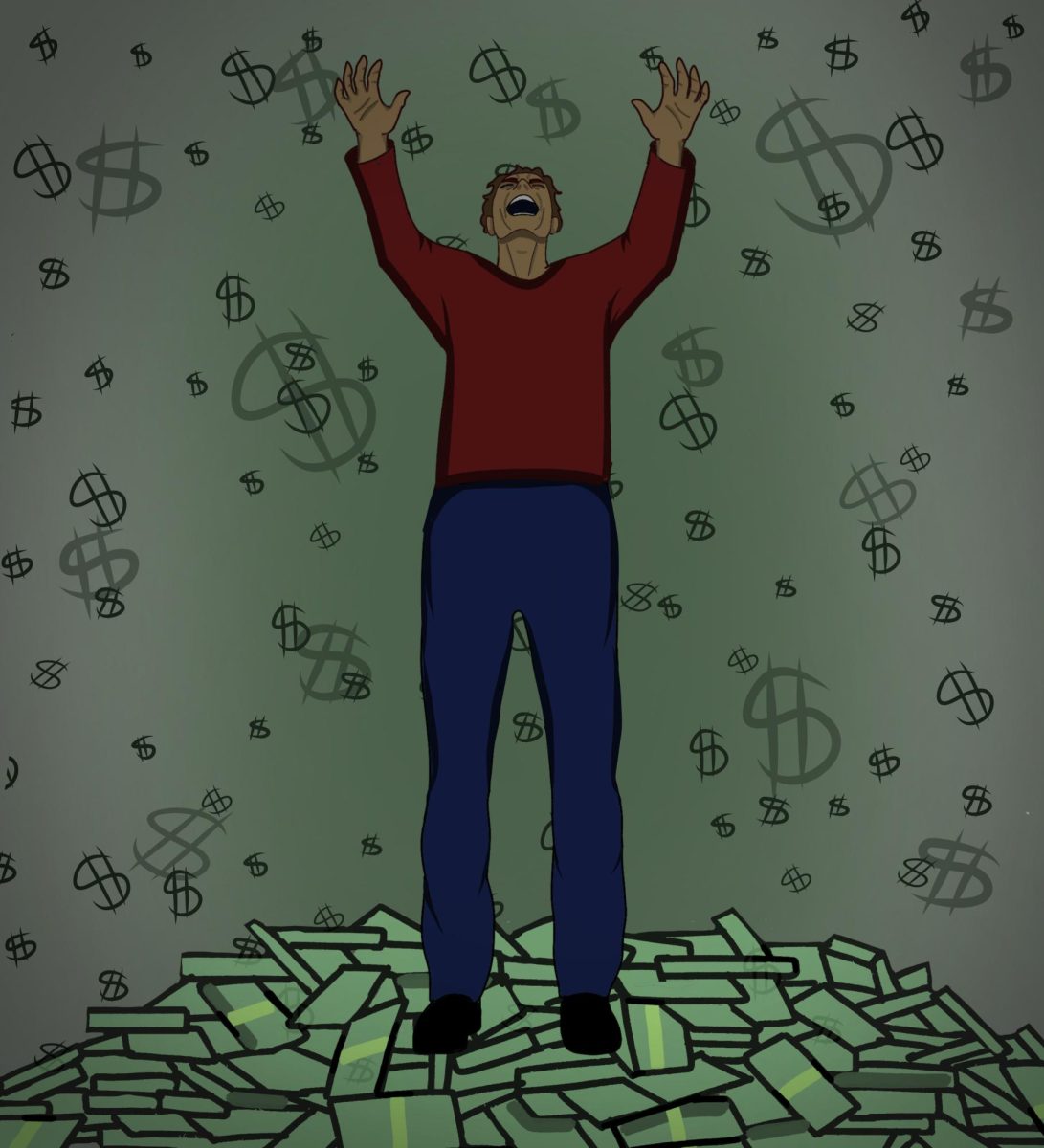
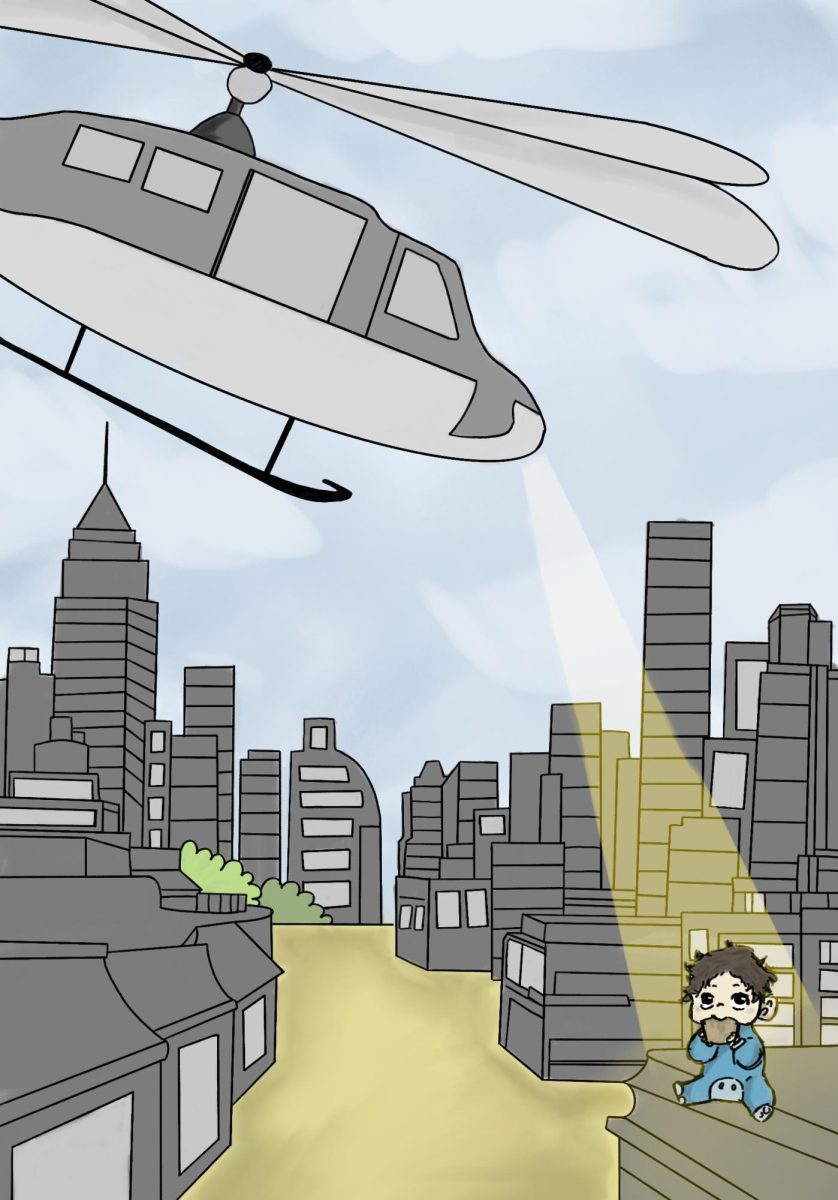
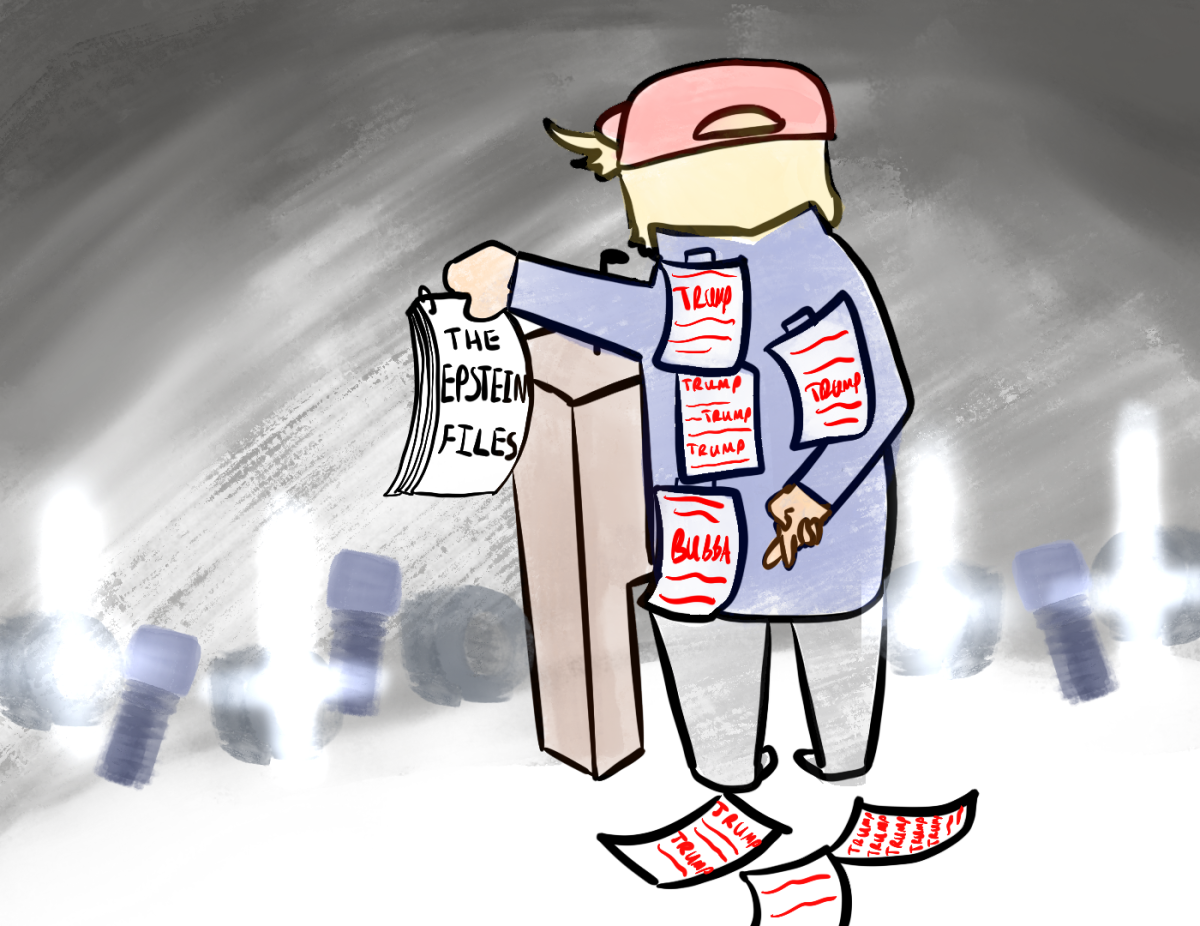
Historical instances have blatantly revealed that the showy displays on the government’s behalf didn’t just entertain a crowd but rather enabled atrocities by monopolizing attention. The scary relevance in modern times is that the Patriot Games seems to follow suit. While we scroll through endless Hunger Games comparison videos, our nation is thrown to the wolves as the direct, inhumane violations of our constitutional rights occur off-screen. ICE raids turn deadly with agents shooting unarmed people in the streets, mass deportations occur all across the country, families get ripped apart in due-process-less sweeps, increasing the accountability and overreach that officials handpicked by President Snow (Trump) have to further allow his administration to metastasize the violence that has already been wreaked upon this country. Not only are these acts in horrible violation of humanitarian rights, but they are also direct attacks on our democracy. Attention manipulation is the hottest political machine gun, and the core tenet of authoritarianism is to use it mercilessly. It is utterly stupid that we lie down and allow the administration to steamroll over us, plunging us into the egregiously evil dictatorships that we can only recognize from our history textbooks.
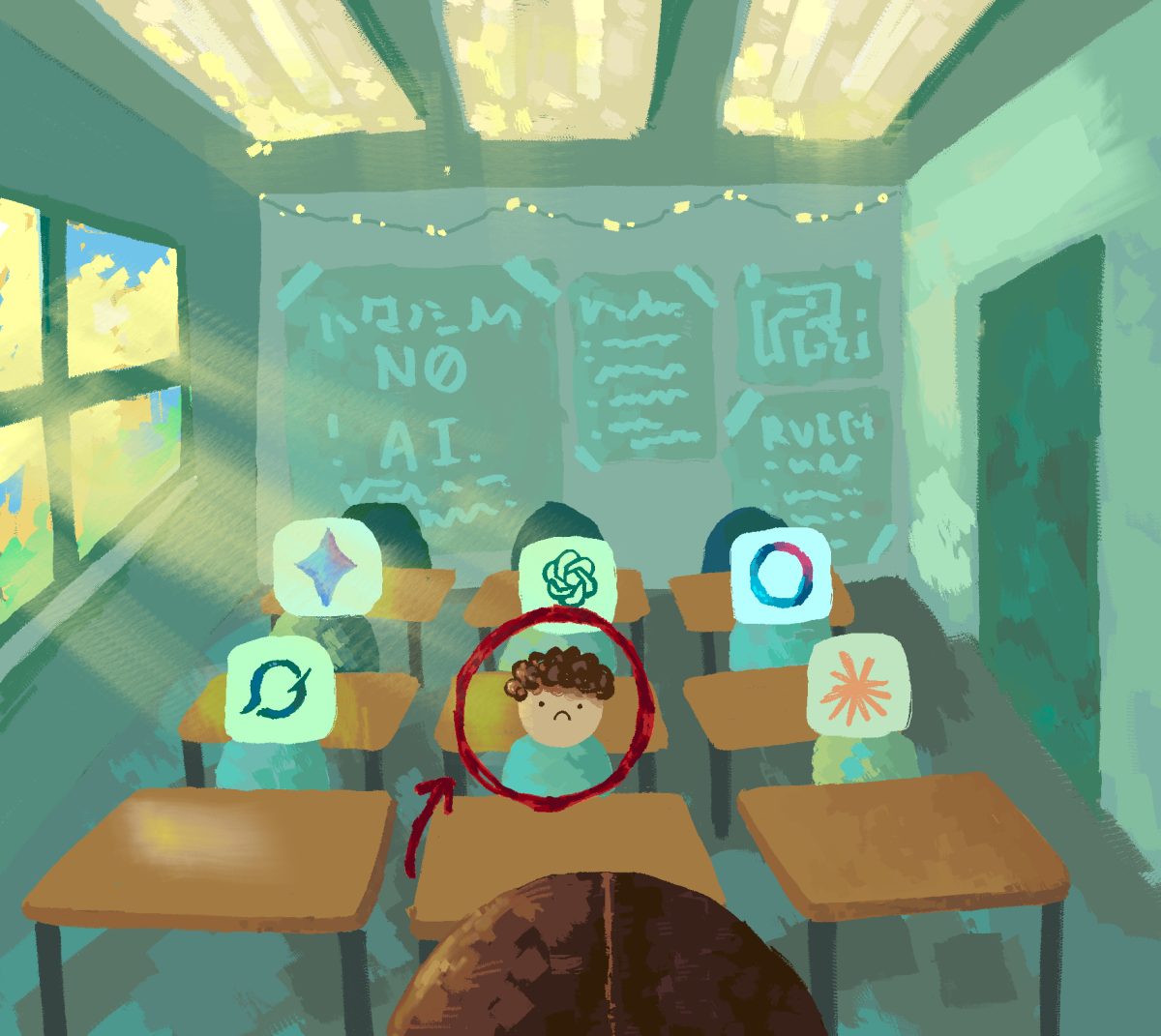
Recognition of dystopia through Hunger Games references feels like a sort of resistance, but it is the exact passivity that these corrupt systems count on. The discontent becomes your TikTok FYP while real power consolidates unthreatened. Laughing at the absurdity of the Patriot Games does not disrupt the inhumane, condemnable issues happening in America. Rather, it restricts us to the role of spectators. No longer a part of our political scene that is being manipulated for elitist purposes. In wise Haymitch Abernathy’s words, “Remember who your enemy is.” Or more precisely, what your enemy is actually doing.
The question no longer remains whether Trump’s birthday gift to America resembles a work of fiction, but whether we’ll be distracted enough by the cloud of propaganda being shoved into our faces that we won’t hear the cries of anguish from people in the districts. So without further ado, ladies and gentlemen, let the 1st annual Patriot Games begin!