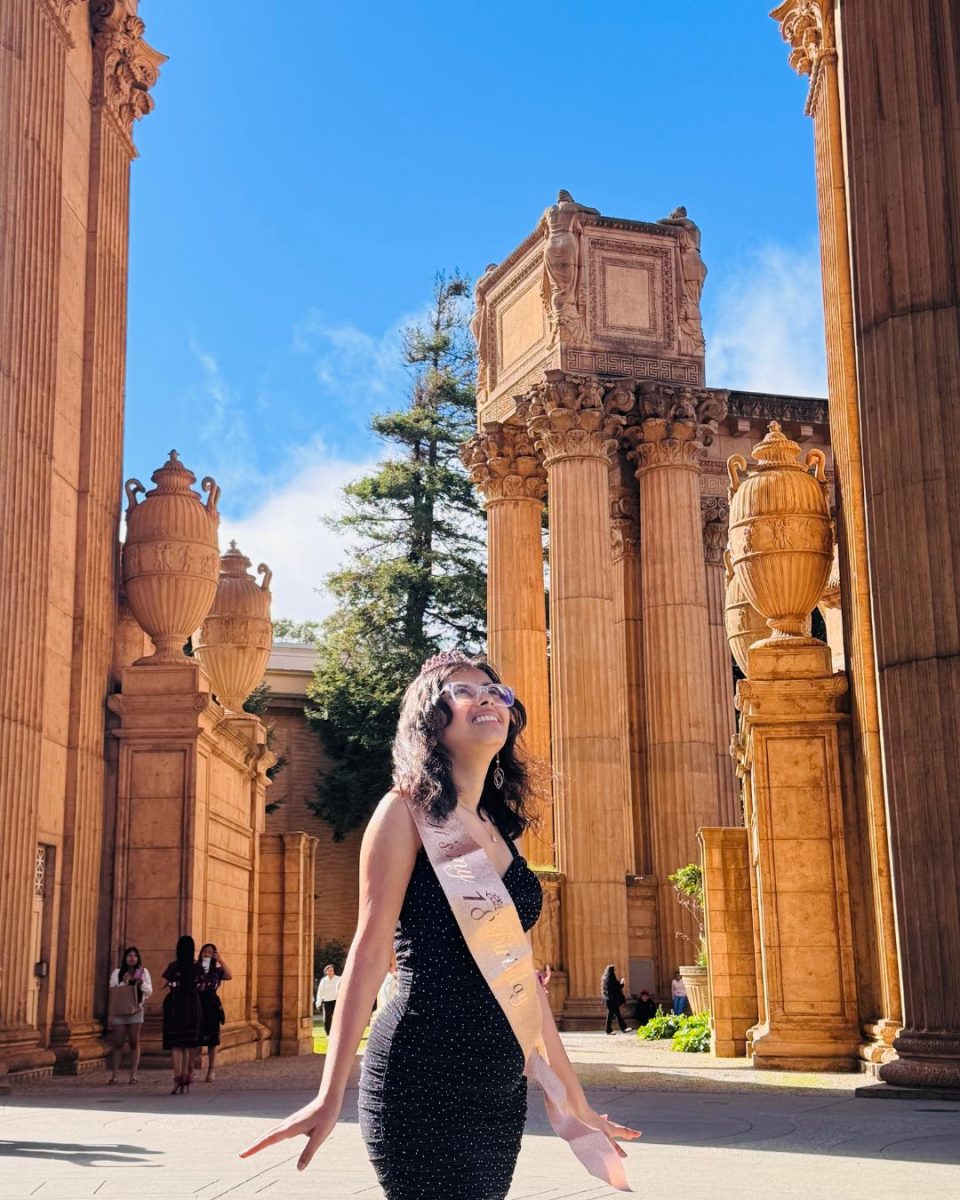
Emerging from the flurry that was 2025, the catchphrase “2026 is the new 2016” has taken hold in the new year. The viral TikTok trend is a throwback to a time when things were apparently simpler — a period of relative stability before the world shifted. Yet branding 2016 as 2026 stamps out a whole decade full of change, from social media to world crises, and the more we treat the past as a blueprint for the future, the greater the risk we run of going backwards instead of forward.
When people say 2026 feels like 2016, what they are really reaching back for is nostalgia and not the year itself. Most of the trend centers on 2016’s reputation as the “last good year” or the “golden year” of online culture, when the digital landscape felt less monetized and more innocent. It was the year memes like Harambe and Evil Kermit took hold of popular culture, just before the internet transformed into today’s chaotic web of AI brain rot and relentless advertising.
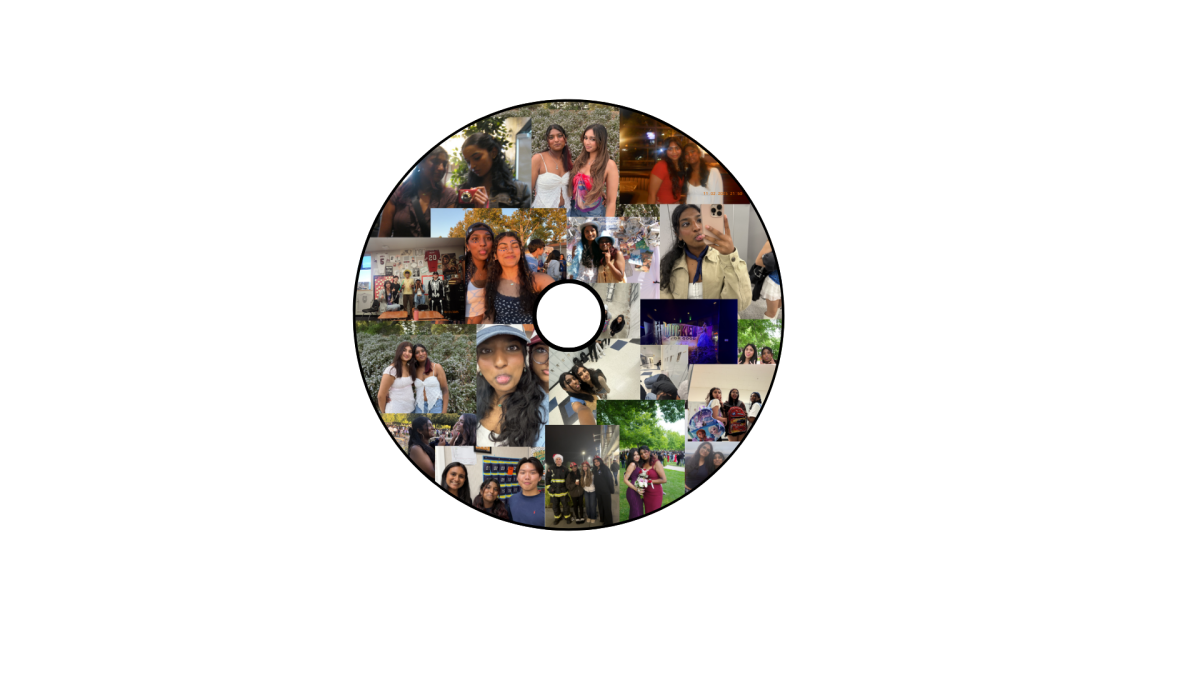
The internet was a different place in 2016. Online platforms were growing in popularity, with around 86% of Americans using the internet that year, compared with today’s 93.1%. It was also Zara Larsson’s breakthrough year, now revitalized by the resurgence of her song “Symphony” with Clean Bandit, alongside the Los Angeles palm trees and sunset skies, now reminisced through throwback photos.
However, the year wasn’t as perfect as many like to paint it. In retrospect, our perception of the past is heavily distorted by nostalgia, and for many of us, we were still children at the time. The sense of freedom and carelessness we associate with our childhoods ends up filling our memories of the year itself. While our own lives may have been simple, the world outside was far from it: Donald Trump’s polarizing presidential election, major celebrity deaths like Muhammad Ali and Prince, as well as the killer clown craze. Nostalgia is its own form of amnesia. Romanticizing a year that not everyone views fondly undermines the events that really happened and can lead us to ignore the same chaos that inflicts us today.
Not only is looking backwards harmful, but treating the future as a rewind to 2016 will only leave us stuck in the past, unable to move forward or accept that things have actually changed. Every year is called the worst until the next one rolls in, and clinging to a year that has already passed does little to prepare us for the future.
In today’s world, disengagement from social media can feel nearly impossible. Our generation’s growing disillusionment with the current state of online platforms is reflected in the trend and explains why we resonate so well with it. In a way, our desire to rewind to the past is a coping mechanism for dealing with burnout caused by never-ending cycles of crisis and conflict. By reviving the aesthetics and culture of 2016, people are able to reclaim a sense of control over an increasingly exhausting world.
Rather than forcing 2026 into the mold of a bygone era, we should allow it to forge its own identity. This year is a continuation of enduring issues, yet it is unshackled by the conditions that existed a decade ago, when the world was still learning how to grapple with the problems it then faced. If we look at the present on its own terms, we can recognize the damage and respond with an understanding of our current reality, rather than using the past as a reference point. Only then will we be able to undertake the new year with clarity.
Instead of retreating into a rose-tinted past, we should embrace the opportunity 2026 offers, built on lessons from the previous years. And in doing so, we might find that the best years aren’t behind us, but ahead, waiting to be created.