On Sep. 10, 2025, California Senate approved Assembly Bill 268 with a landslide vote of 36-4, making the Hindu festival of lights, Diwali, an official state holiday.
The legislature was first introduced in January of 2025, and later passed by the California state assembly in June. On Oct. 7, Gavin Newsom gave his signature to officially add Diwali to the list of state holidays by 2026, permitting public schools and community colleges to close and state employees to have paid leave.
California is the largest US state to officially recognize Diwali as a statewide holiday. Several smaller states have previously added Diwali to public school calendars, including New York, New Jersey, and Pennsylvania, but California’s decision carries a unique weight given its size and influence, with over 2 million South Asian residents. The state’s knowledge is evident, as the date of Diwali changes every year depending on the lunar calendar, so the law sets it as “the 15th day of Kartik in the Hindi Lunar Calendar” instead of a fixed Gregorian date.
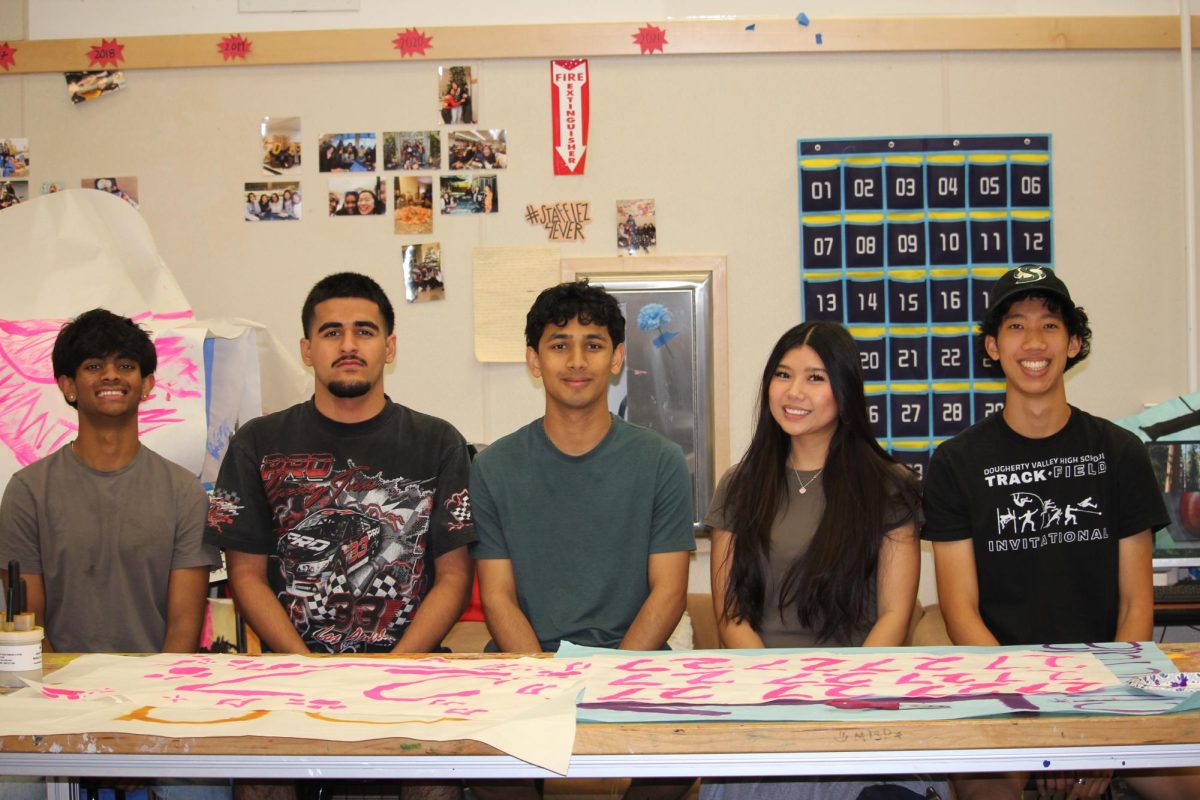
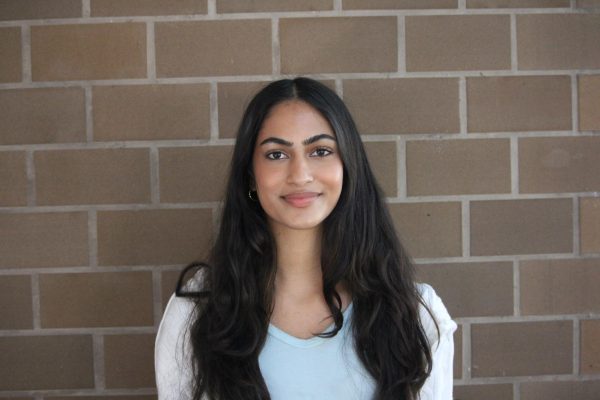
Diwali is not only celebrated by Hindus, but also Sikhs, Jains, and Buddhists in the Bay Area, where there is a dense population of South Asians. Senior Sravya Namburu, the President of Indian for a Change, a nonprofit organization dedicated to celebrating Indian culture, explains the significance of such a development.
“In the past, I have felt the pressure of having to choose between the holiday and going to school, because often, Diwali was on a school day,” Namburu expressed.
With the recognition, cultural organizations like Indian for a Change hope to expand their role on campus. In years prior, events hosted for Diwali were smaller, but the bill has sparked a new motivation to be loud and proud about their culture.
Divya Gill, vice president of Indian for a Change, who leads the club’s volunteering division, said the change could “act as a catalyst for new events.” Her hope is that, next year, the club can host larger community service drives or cultural showcases on the day of the holiday, so more students will have the opportunity to attend. Although they haven’t quite discussed specifics yet, she adds that “It motivates us to put our heart into celebrating the amazing holiday.”
Namburu brought up that this is an opportunity for non-Indian or non-Hindu students to become more knowledgeable on the topic, possibly even counteracting negative stereotypes.
“I hope they see this as a way to learn and celebrate with us, just as we celebrate Christmas or like Lunar New Year as a community, Diwali should also be an opportunity for everyone to come together and just share this joy and share these traditions,” she notes.
For some students, the significance of Diwali’s recognition goes beyond culture, into the realm of politics. Seniors Ishaan Agarwal and Siddharth Kalavacharla, co-hosts of political podcast “Purple State of Mind,” view this as a reflection of California’s political climate.
“My first reaction was happiness,” Kalavacharla said. “For a country that claims freedom of religion, it felt good to see my people represented.”
Agarwal took a more pragmatic view. “It’s a good thing. Great acceptance of religion is part of what America stands for. Though I think Newsom is doing it for a political gain in some ways, but that’s also a good thing at some point, right? I mean, that’s the point of our democracy.” He goes on to describe the decision as an “endless cycle of goodness.”
Each student acknowledged the symbolic value of the legislation, but still took into account the timing and most likely intent.
“This shows a contrast between the national political climate and California’s,” says Kalavacharla. “It’s something you’d never expect from the federal government right now.”
The hosts also discussed how the holiday fits into the broad debates of government and religion. Agarwal argued for equal recognition across faiths, stating that “If Diwali is being recognized, then holidays like Yom Kippur and Eid should be too.”
Kalavacharla countered this with a more separatist mentality: “I think the government and religion should stay as separate as possible. Ideally, all religious holidays should be optional, not mandated.”