In the past year, censorship concerns have risen as the divide between political parties deepens, with social media companies allegedly being pressured by both the Trump and the previous Biden administrations to censor specific content. In the recent and broad pattern of censorship attempts, San Ramon locals navigate the meaning of free speech in today’s political climate.
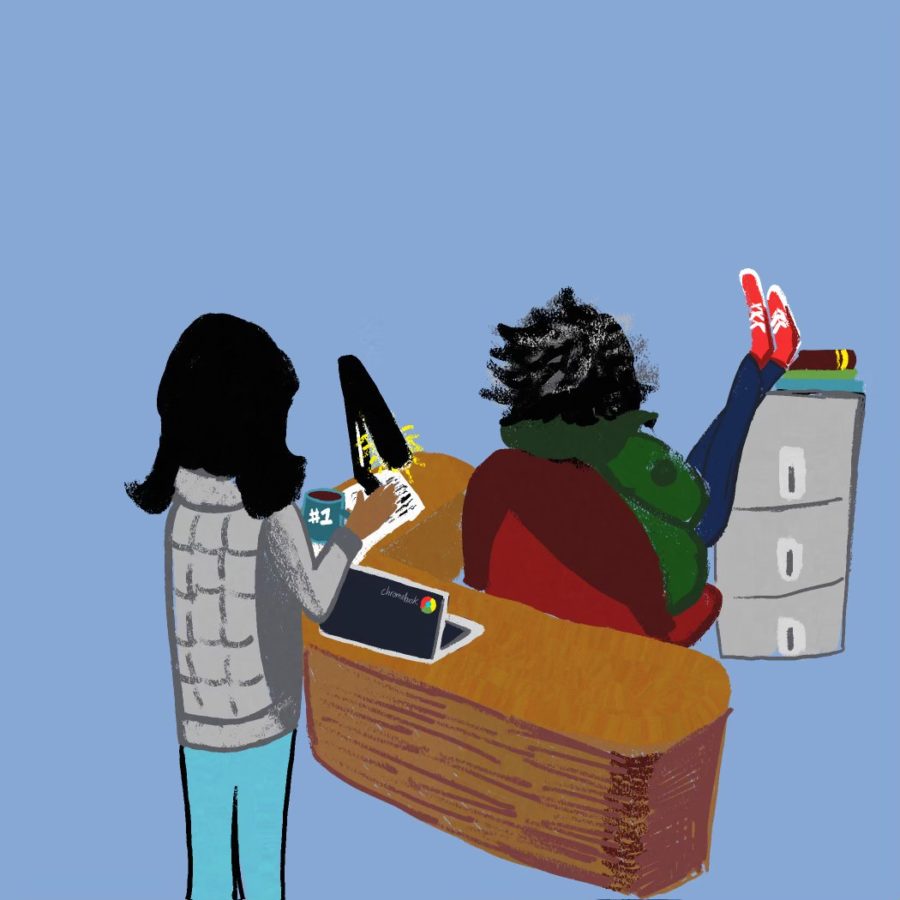
“In local media, particularly when you’re covering a small, tight-knit town, everybody tends to know everybody, and there are a lot of personal relationships and entanglements that can make breaking sensitive news challenging,” Tri-Valley editor for local news platform Patch, Michael Wittner, said.
Although personally unaware of any pressure on Patch to withhold coverage following public accusations of Trump’s crackdown on freedom of speech, Wittner voiced that both national media and local news platforms remain vulnerable to censorship, even if in different ways. Whether or not these challenges limit full transparency, even without direct interference, remains to be seen.
“Censorship stifles reporting that informs the public and can lead to meaningful accountability, transparency and reform,” Wittner added.
Even with potential pressures and vulnerability, local reporters like Wittner often cover stories overlooked by larger outlets, serving as the sole source in keeping local communities informed on certain stories directly impacting them.
“While national news gets covered in many different places, local newspapers are often the only outlet telling stories that need to be told,” he said.
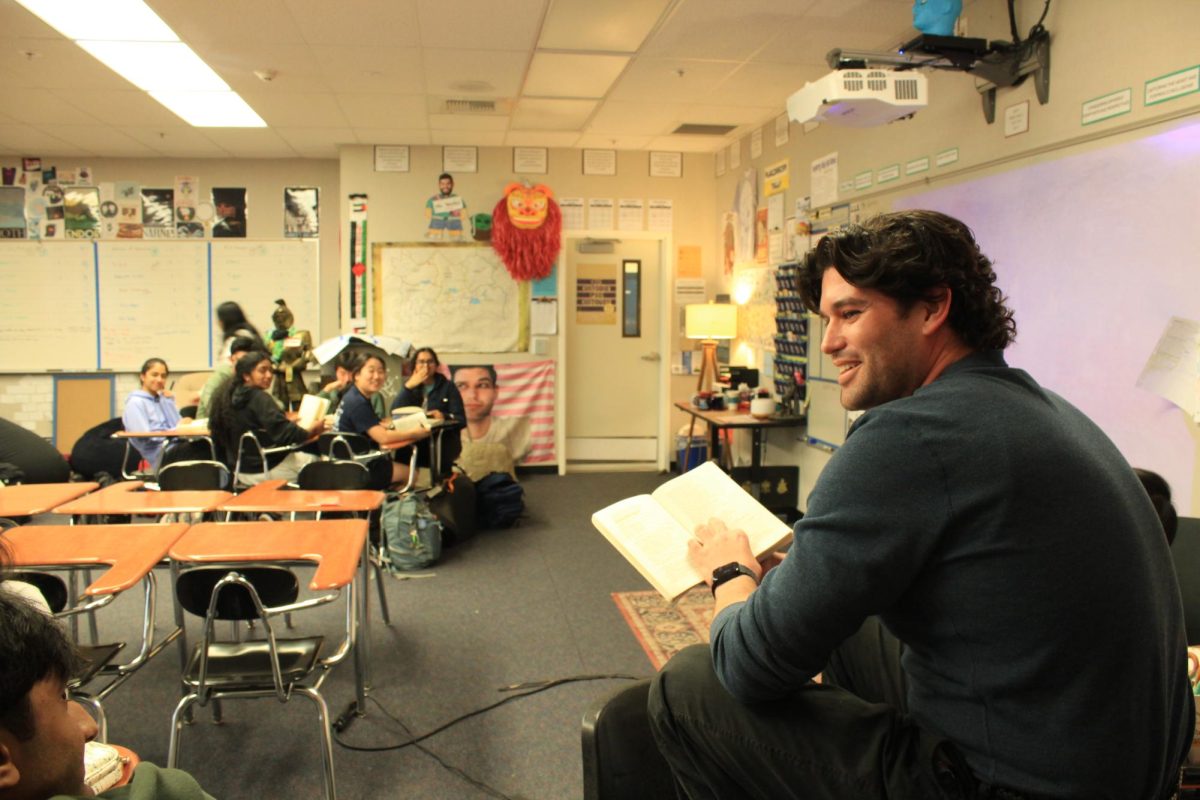
The conversation on freedom of speech extends beyond professional journalism to smaller spaces at Dougherty Valley High School. From Oct. 5-11, the DVHS library participated in Banned Books Week, an annual awareness campaign celebrating the freedom to read.
“Often, you’ll see displays where it’s books that are commonly challenged or banned around the country, and you’d really be surprised by what school districts or local community members or other groups have decided shouldn’t be in a library,” library media coordinator Annalisa Raphael said.
Library media teacher Allison Hussenet found that more frequently, works that feature LGBTQ+ content or focus on people of color are often targeted by book bans.
“By highlighting that these are the kinds of looks that get banned it’s also highlighting the types of censorship problems that are occurring in the moment…” Hussenet commented.
These issues aren’t distant either. Book challenges have already occurred within the school district itself, but so far, the board has chosen not to remove books from school libraries despite controversy.
“Banned Books Week is about more than just books — yes, we’re celebrating the right to read, but we’re also celebrating, freedom of speech and freedom of expression. We’re wanting to avoid misinformation and let people decide for themselves what they want to read or not read,” Raphael said firmly.
At the student level, political discussion is also being actively shaped by how small communities handle disagreement.
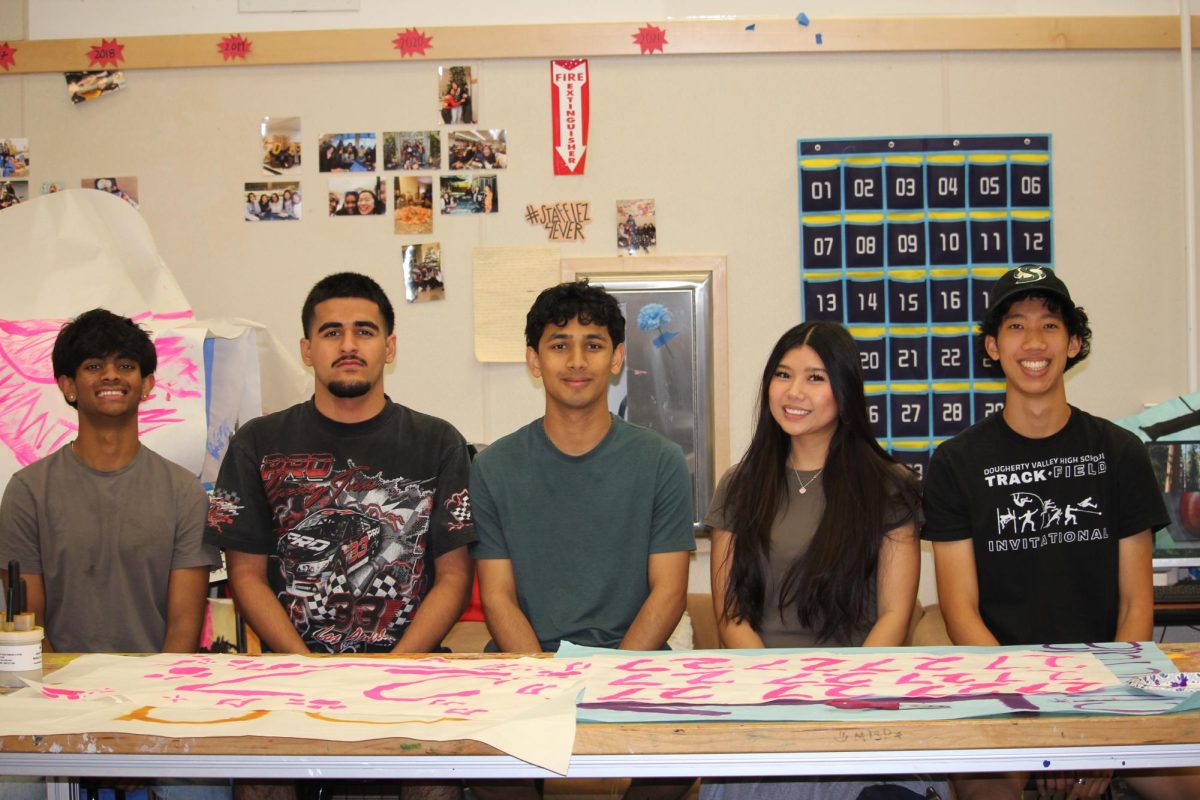
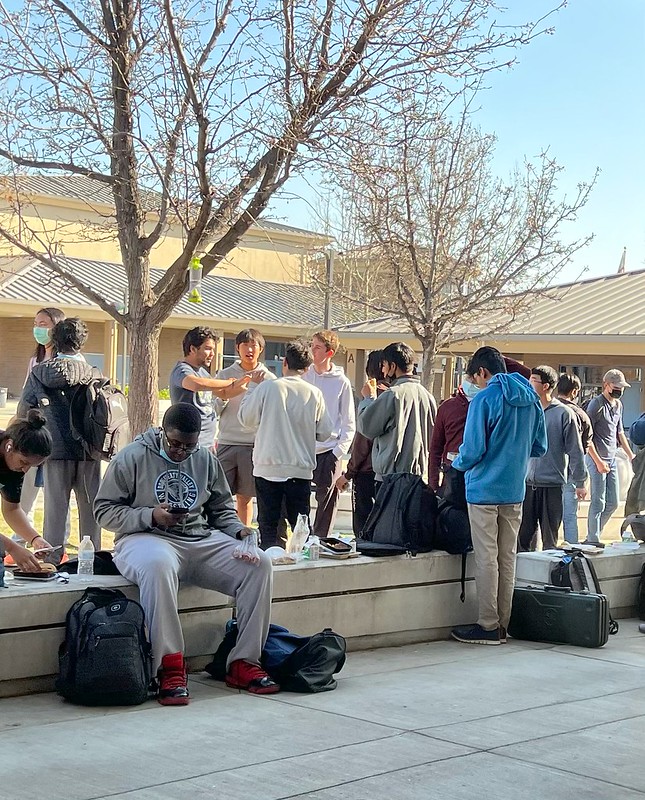
“I think our school is very tolerant of all political opinions and we have an environment where everyone is allowed to speak their mind,” senior Aksh Nanda, president of the Politics Club, commented. “Some of our [Politics Club] members are good friends with each other despite holding different political beliefs.”
Many members of the club, as well as Nanda himself, are aware of the broader national censorship concerns. Yet, Nanda is confident in their club’s ability to foster a safe and welcoming environment for political discussion. Even when addressing controversial topics, there are clear expectations set.
“When holding sensitive topics, we often remind our members to be respectful and take the issue seriously. Our members have been really good about having the right sensitivity and tact when tackling these issues, so we haven’t had any problems,” he noted.
As national debates over censorship ensue, the Politics Club’s own discussions remain open and unaffected in an environment where freedom of speech is largely protected. Nanda firmly believes that students are still able to freely express their opinions “with no real threat to the club.”
“Members may more fiercely advocate for free speech, but student voices wouldn’t be stifled,” he said.