-
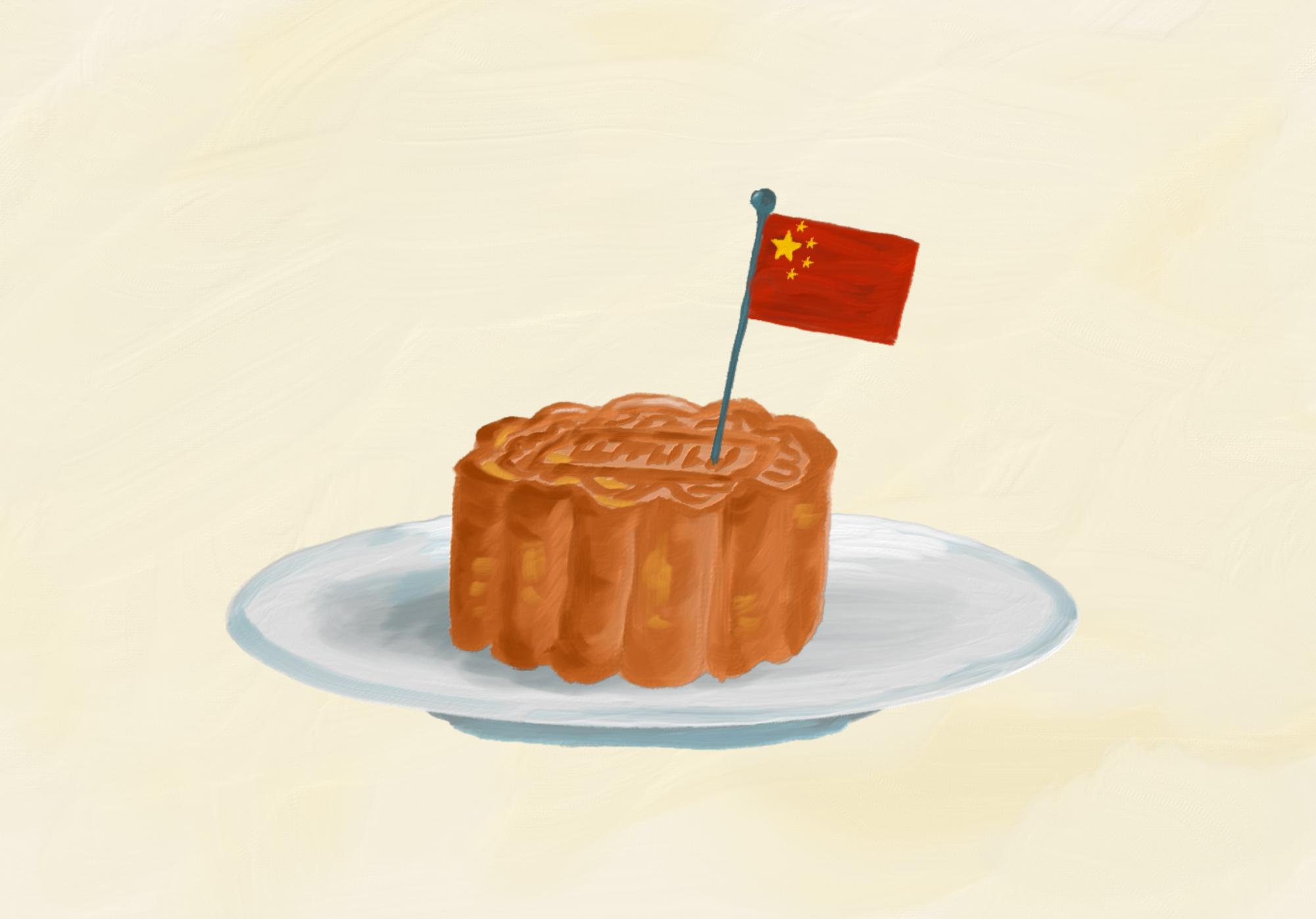
Zhuoyan Li’s mooncake.
-
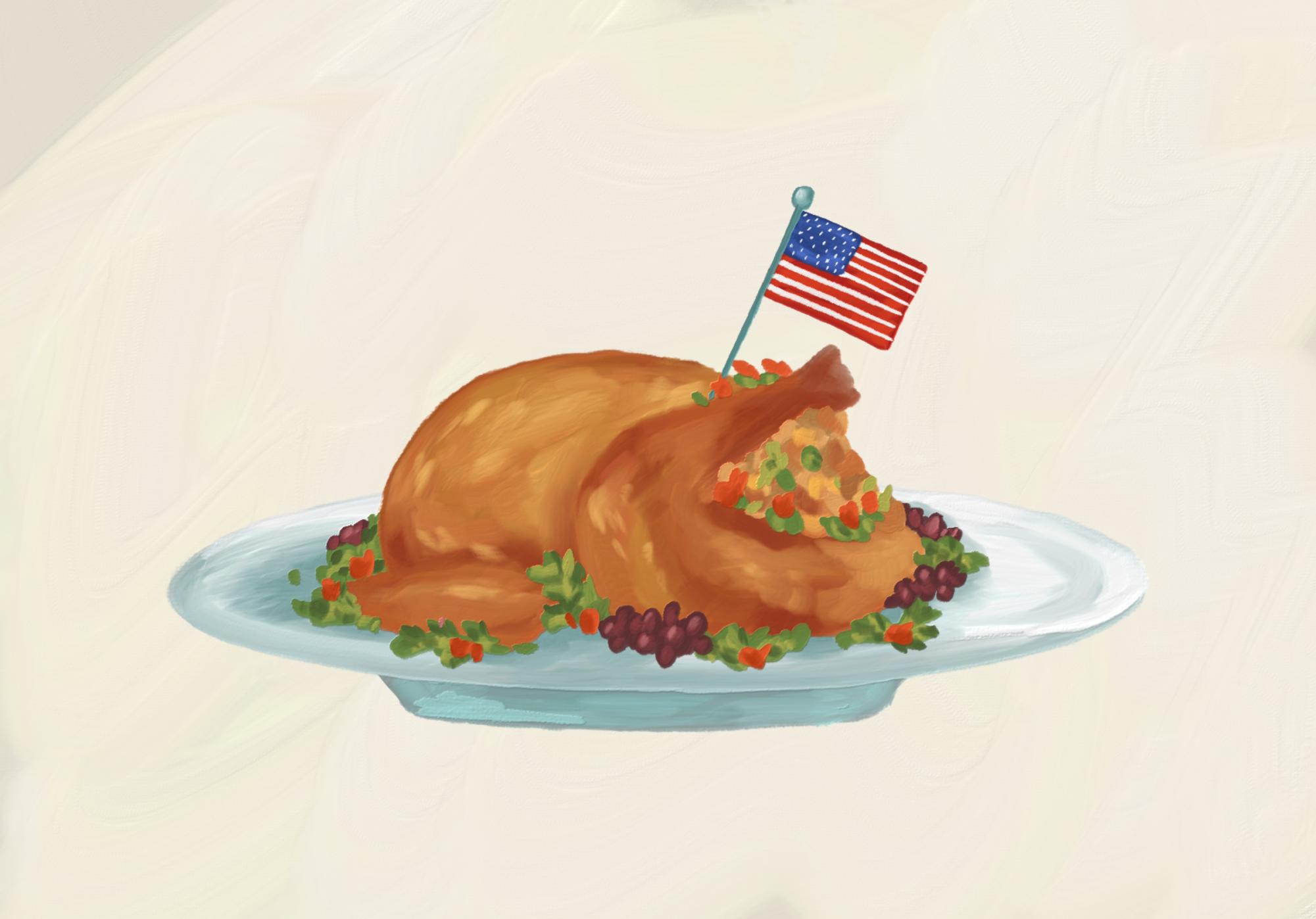
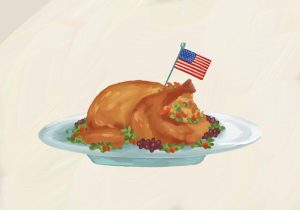
Megan Manley’s turkey stuffing.
-
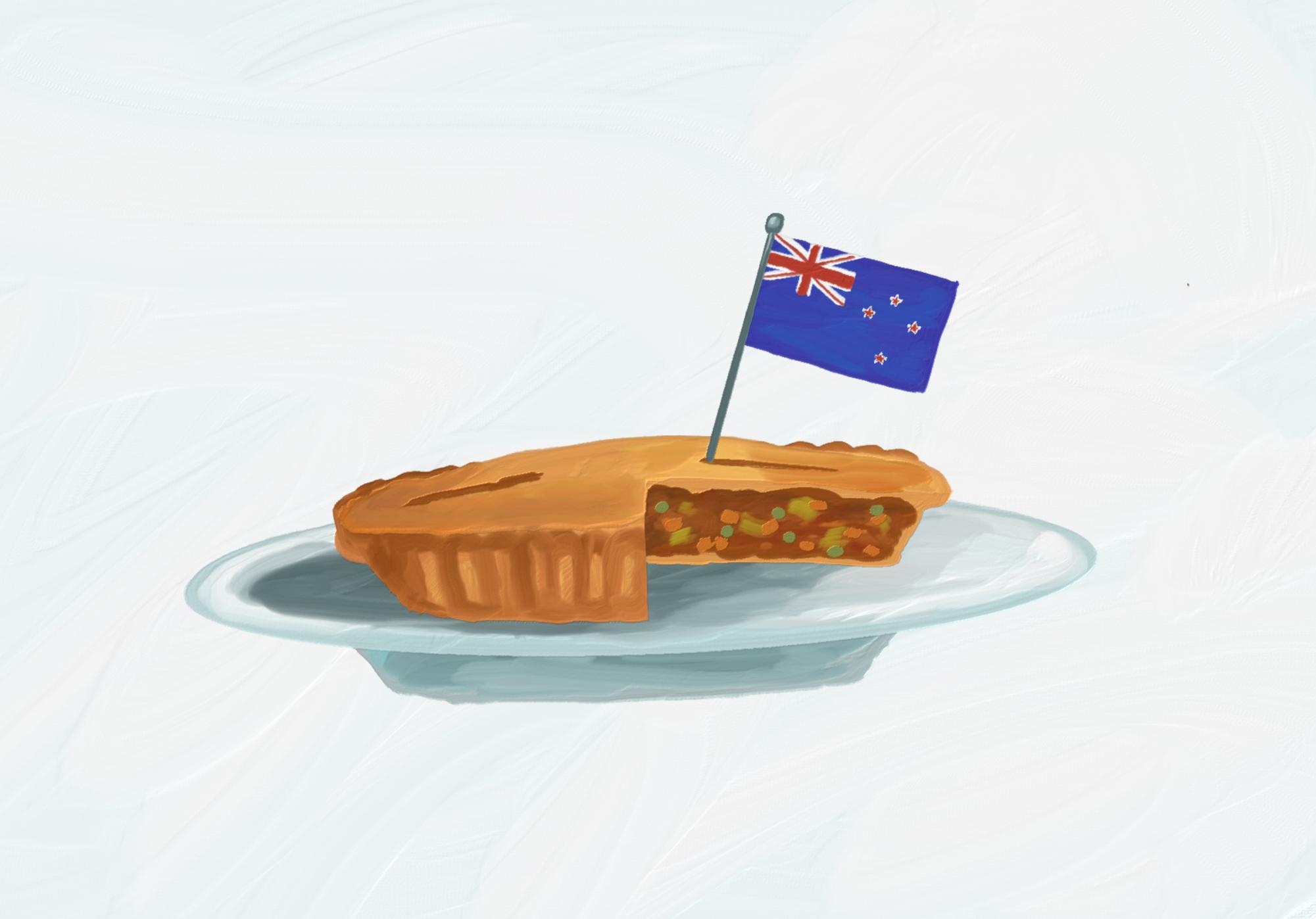
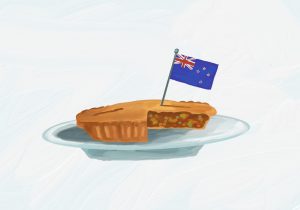
James Snavely’s meat pie.
Food can reflect a diverse array of cultures, from hearty breads and aromatic rice to spicy curries and delicious pastries, satisfying more than hunger. These dishes contain memories and traditions that transcend mere flavor, transporting people to different parts of the world, a culture’s history and identity. Many of these dishes are also tied to celebrations and holidays, where connections are formed over the preparation of dishes. Food has a way of uniting people, and in the same way, can reflect one’s heritage. Culinary backgrounds evoke memories of moments spent with family, bringing people closer through shared meals and traditions.
According to Dr. Ara Norenzayan, a researcher in cultural revolution and origins of religion, there is “more to eating than survival.” Meals are a medium where people can create bonds and socialize. This makes food a vital part of cultural identity and community, as simple dishes turn into symbols of identity and tradition. At DVHS, teachers share stories about dishes that bring connections from across the globe closer to home by explaining how meaningful they are to them.
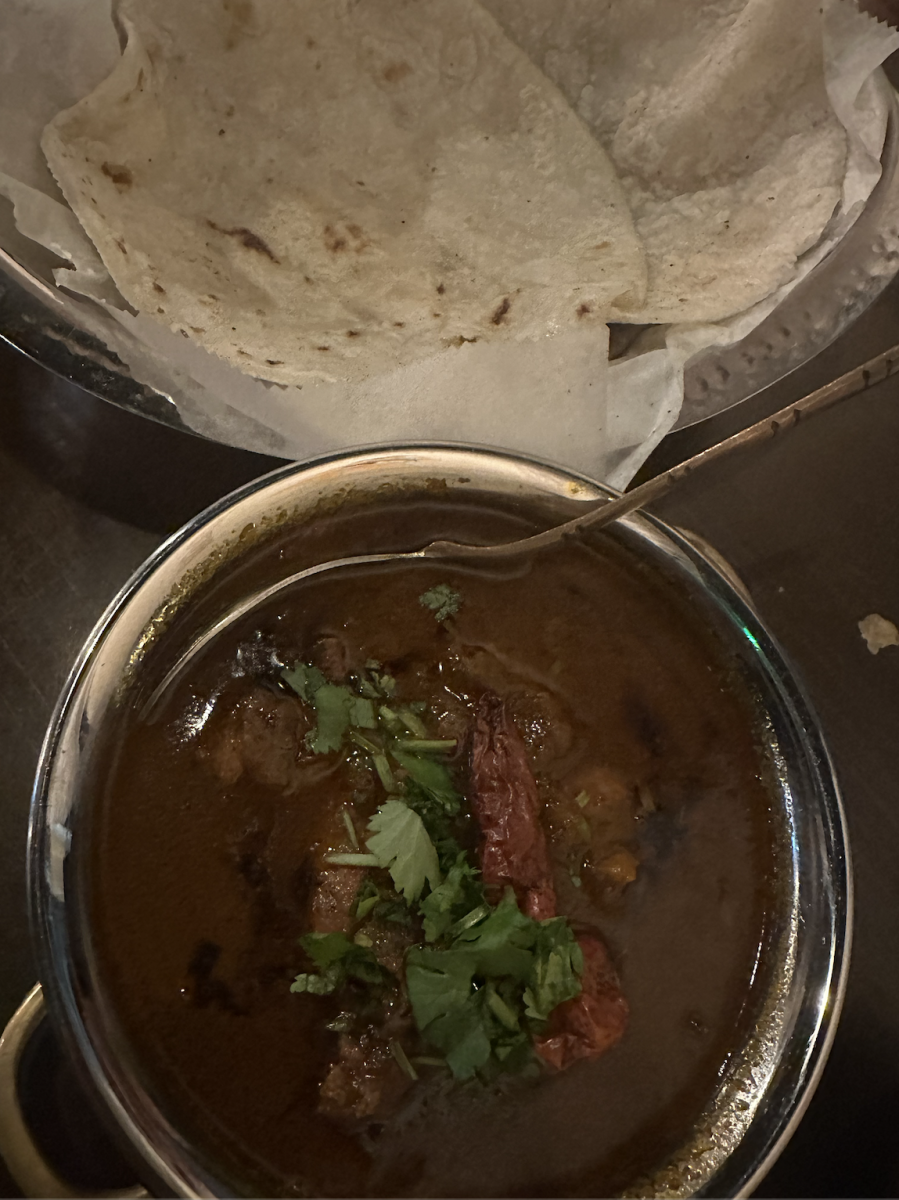
AP World History and Economics teacher James Snavely connects the pies he encounters with his grandmother. For Snavely, these flavors of pie are more than a meal, as they serve as a connection to family history.
“My grandmother was from New Zealand, and she would make meat pies, pie crust, mashed potatoes, lamb and/or veggies. They are popular down there, and I always associate them with my grandmother who passed away,” he explained.
Megan Manley, an English 10, Novel and AVID Senior Seminar teacher, recalled that during Thanksgiving, her family would make a special stuffing recipe.
“I learned how to make it by watching my mom and my grandmother and now I am famous for it with my friends every year when I host Friendsgiving.”
“Friendsgiving” is a holiday meal celebrated among friends in a Thanksgiving manner. This recipe helps continue family traditions while creating new memories in a fun way, showing how cultural food can adapt while still preserving its origins.
Around the globe, festivals are celebrated by the preparation of food. Chinese teacher Zhuoyan Li enjoys mooncakes, moon-shaped pastries traditionally enjoyed around the holidays.
“Mooncakes represent family reunion, unity and togetherness during the Mid-Autumn Festival, which is one of the most important holidays in Chinese culture, similar to Thanksgiving in the United States,” Li commented.
These cakes can also be challenging to prepare. Making the mooncake wrap requires steaming the ingredients, followed by kneading the dough to achieve the right texture and consistency.
“Mooncakes are unique because of their round shape, symbolic meaning and detailed patterns on the surface. They are shared among family members to express good wishes and harmony,” Li added.
These pastries also hold symbolic meaning to Li, as they are closely connected with family gatherings and celebrations.
Through the dishes teachers share, this school serves as a window into the cultures of the world. Each dish has a personal meaning, becoming more than just a meal; they become stories. By celebrating cultural foods, DVHS embraces the multitude of narratives within its walls.