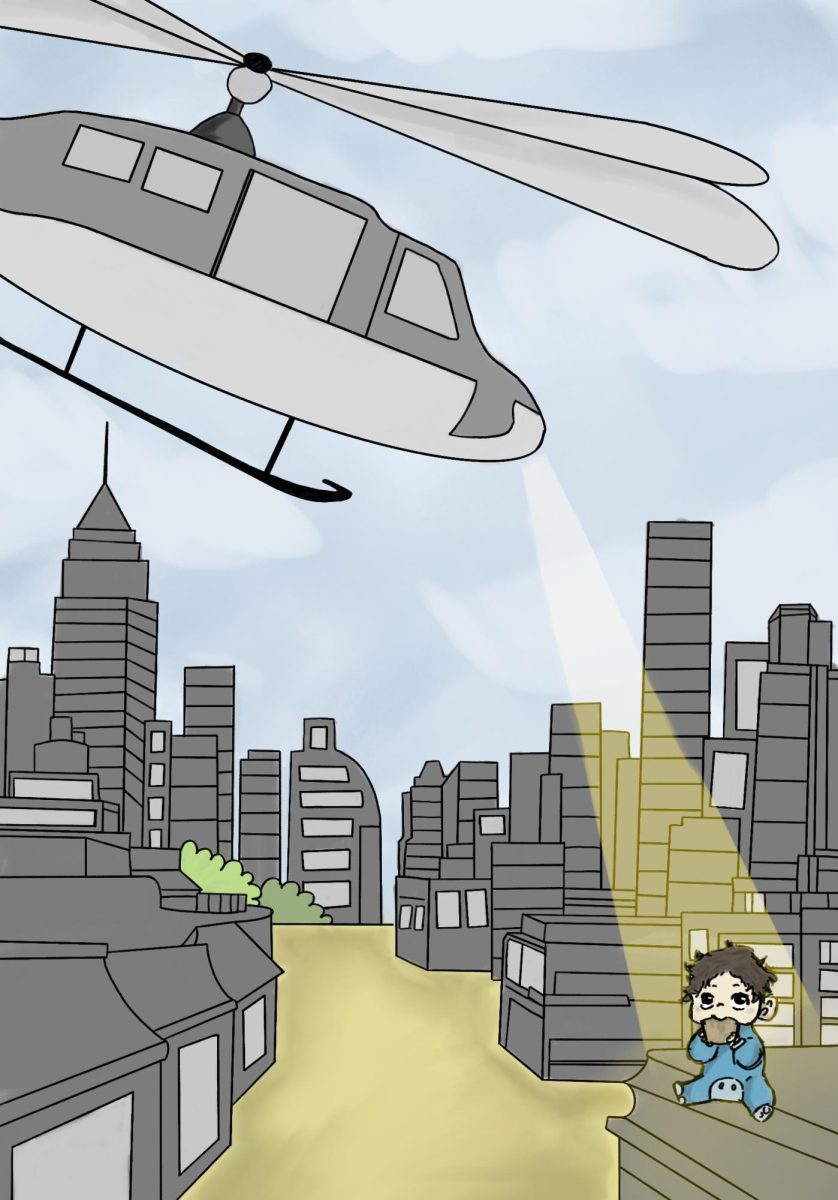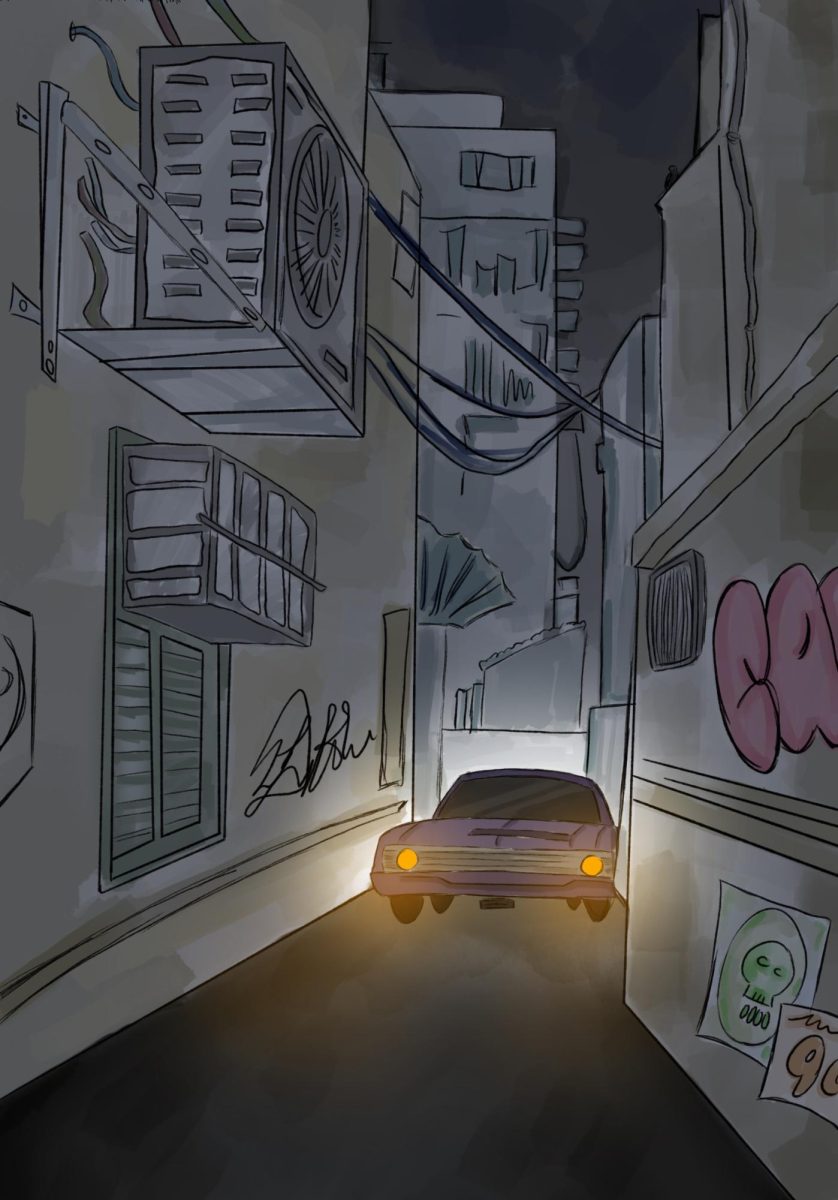
When I was hit by a car, there was one main reason why I was able to walk it off and be fine: low hoods and low weight.
That’s key, because over the past decade, headlights have grown brighter, visibility has shrunk and cars have become larger — yet pedestrians and children have not changed. Cars have continued to grow larger year after year, continuing the trend of making the U.S. increasingly car-centric.
Since 2010, the number of pedestrians killed annually by cars has nearly doubled. The Bay Area alone has seen car deaths increase by 48% over the past decade. Larger hoods mean that instead of going over the vehicle, you go under, which, for pretty obvious reasons, isn’t the best thing.
Cars have gotten 8 inches taller on average, weigh more than 1,000 pounds more than they did in the 1980s’. The primary offender is a culture in the U.S. that outrightly rewards manufacturers for continually engorging their cars with every new model.
This doesn’t just represent the toll of the growing sense of complete individualism that the U.S. has deliberately bred, but also an outright selfishness on the part of consumers. SUVs and trucks make up eight out of the top 10 cars sold in the U.S., as the populus demands larger cars for the increased sense of “safety” they provide. While more weight means being hit is exponentially safer, it also means that hitting someone is exponentially more dangerous. While larger cars might make it safer for those inside the vehicles, they make being around them a death wish. All that padding and cushioning, while comfy, adds up. That’s exactly why large vehicles are responsible for killing 7 times more people than medium cars do and a little less than 18 times more for small vehicles.
And it’s not as if raising mortality rates are an unpreventable side effect. Car companies know exactly what they are doing. By increasing the size of their cars every year, it has substantially raised the danger of not just driving but being a pedestrian in general. Corporations know this and even use it to feed into the same narrative, making it feel like the only way to feel safe is to contribute to the same problem that created that fear in the first place. At the end of the day, people just want to know they can feel a sense of security, but aren’t willing to understand the sacrifice of that security.
Those stats aren’t just for show either, they do contribute massively, the average pedestrian being 50% more likely to die from being struck by one of these cars. The push that companies make to continue selling heavier and heavier cars is stark. Such as with the increased popularity of electric trucks and SUVs. Batteries add a significant amount of weight, the Ford F-150 Lightning being up to 2000 pounds heavier than the regular gas version. This means the trend continues beyond gas-powered cars. As more and more cars switch to electric, the silent creep of additional weight starts to add up.
After fuel tanks got more efficient in 2008, cars grew larger with them. The government, with its generous donations to car lobbyist groups, has continually made it less beneficial to make gas-efficient cars. This promoted much larger and much less efficient, yet far more profitable SUVs and trucks to become the new frontrunners of the American automobile industry. Car lobbyists continually attack regulations for gas efficiency to ensure cars continue to have a dependency on the oil industry, as well as remain as inefficient as possible.
At the same time visibility shrank, with blind spots becoming something to forget about rather than avoid. Cars have grown about six inches taller, with flatter hoods that make it harder to see, which is exactly why blind spots have grown up to 11 feet long on certain models. Blind spots have gotten so bad that the F-250, one of Ford’s more popular models, possesses worse blind spots than an M1 Abrams battle tank. The tank was able to spot a 5-year-old child 1.3 meters away, compared to the Ford’s 1.9 meters.
That growth in size didn’t even result in increased efficiency. When we look at modern trucks, let’s take the most bought car in the U.S. for example, the Ford F-Series. We see that while bed size has not increased at all, weight has. The 1990s F-150 weighs 4,000 pounds, compared to the modern models at 5,000 pounds, even with manufacturers using vastly lighter materials than the older models. So while hauling stays at similar points, the weight of the Ford increased.
Aside from just the consumer and the federal government, who both support the reaping of innocent people at the hands of grotesquely heavy and large cars, the very infrastructure of the U.S. also supports this trend.
There is no denying that the U.S. is an inherently car-centric society. Cities have been forced to bend their knees to the lords of the road, the car lobbyists, to accommodate them. The solution for traffic has often been to add more lanes rather than address the fact that a single metro line could solve many problems at intersections. Cities have had entire communities removed just to fit highway routes. Cars have been ingrained like parasites in every part of American life, making even a trip to the store almost impossible without driving.
While some argue that owning any car you want is a right, I would argue the right to life is a little stronger than the right to own a 7,000-pound truck you only use for towing once a year. It’s painfully simple: the fewer regulations we put on the size of cars, the more they will grow, the more lives will be taken, and the more our daily lives will continue to be controlled by what we made.
With highways growing larger, a culture that supports the growing size and weight of trucks, and a government paid to let it slide, what is there to do?
To be quite honest, the bigger picture is kind of stuck as it is, as I doubt the current administration cares enough to implement common-sense regulations. That doesn’t mean, however, that we should simply submit to it. The first step, at the very least, is to reject the hegemonic role that cars have taken over with, or born with would be better said. Take public transportation whenever possible, ride your bike or walk. When you need to drive, try not to fuel this same system: choose something small, lightweight, and fuel-efficient. Accidents happen, but the difference between being hit with a Prius and a three- ton behemoth is quite literally life-saving.