There are several reasons why students transfer to and from schools, with both the parents and the students being involved in the decision-making process.
“Oftentimes [the transfer] might be about academics or classes available at another school site,” Sandy Cattarusa, the Enrollment Coordinator at SRVUSD, stated.
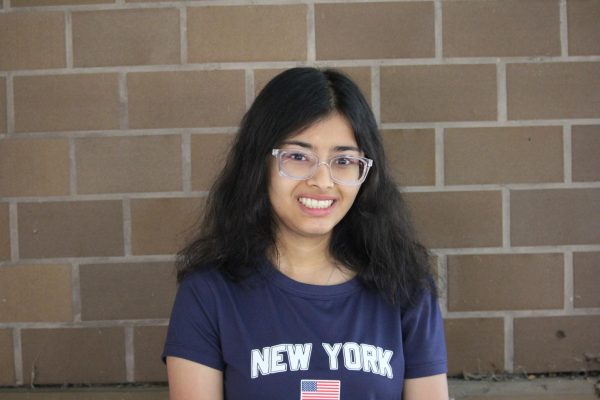
Students are usually the ones to facilitate transfer decisions, depending on their reasons to transfer to and from a school. Senior Ricarda Xu shared why she chose to go to DV over her home school, Monte Vista.
“I chose to transfer because I wanted to take classes in Chinese at school, so I can graduate having the writing and reading abilities of a four-year-old. I knew that Monte Vista didn’t offer Chinese as a course.”
Other reasons for transferring schools include preventing siblings from attending separate school sites, as well as ease of transportation to the school. While these are some of the reasons behind why students want transfers, they are not the true reasons why they occur.
Reportedly, according to EdData, 247 students transferred into DVHS, making up around 8.1% of the student body, despite being ranked as the fifth-best public school in Contra Costa County.
“Our transfers per our board policy are based on availability of space at the first requested school site,” Cattarusa explained. “So while it’s helpful for us to know the reasons, oftentimes the reasons help us if we have a listing of the priorities for transfer space.”
Priority transfer periods are usually from Dec. 15 to Feb. 15 for middle and high schools. For elementary schools, the period ranges from Feb. 1 to March 6. A transfer request after this period is subject to space availability at each school site.
“We also have to cut [transfers] off, and sometimes when we cut off our enrollment transfer window, we start getting more transfer requests over the summer,” Hong Nguyen, Director of Student Services at SRVUSD, clarified. “We had to work closely with our school counselors and had to work closely with the school site to ensure to say, ‘do you have space here?’”
In the case that a school doesn’t have space, the district lets the family of the student know of the lack of availability at their chosen school site.
Nguyen stated, “Every decision that is made when it comes to a transfer is based on either what’s going to be best for my child or what is going to be best for me as the student.”
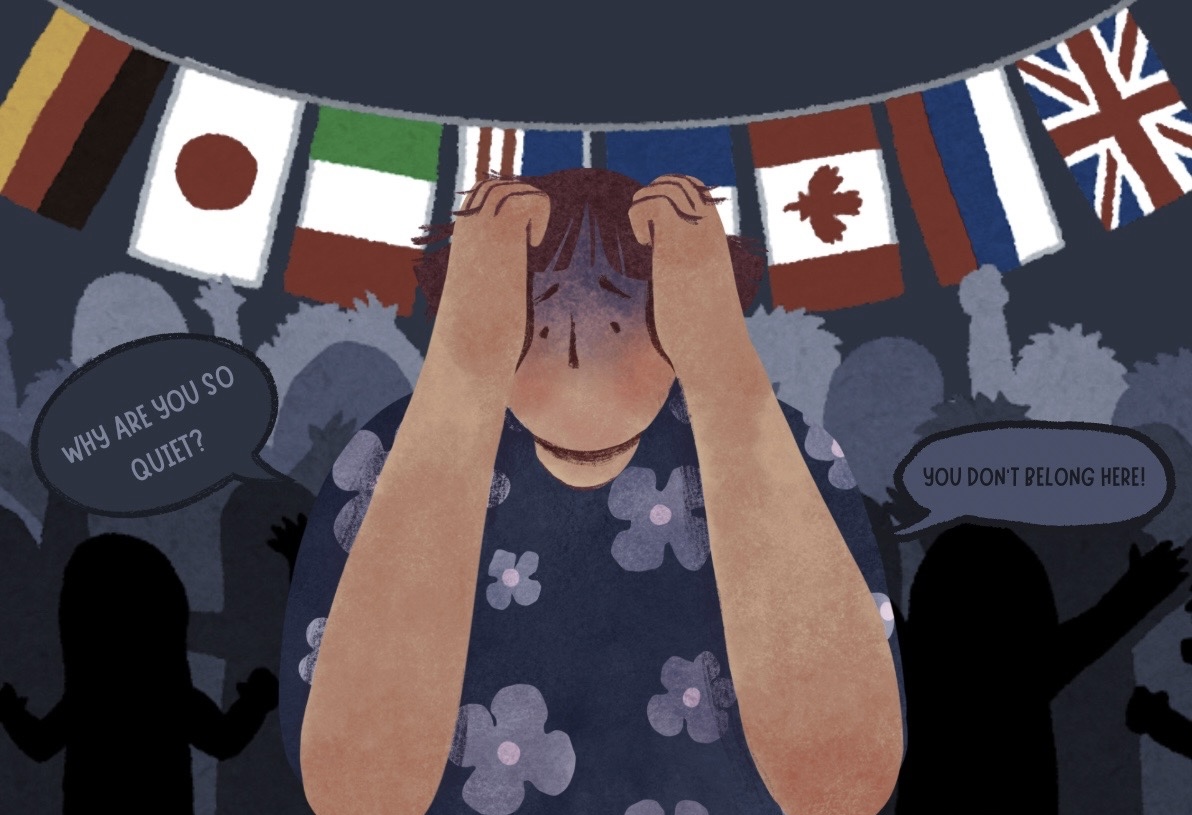
However, community conversations often arise due to the transfers entering various school sites at certain points in the year. The influx of students worries some parents and community members.
“We know that [transfer decisions] could be conflicted when it comes to opinions from the community or opinions from families. They’re just like, ‘Why are we having all these transfers coming in?’” Nguyen said. “That might be something that we open up for discussion. But we also know that, based on our state policies and district policies, we have to follow what is written there.”
While some community members may be unhappy with the transfers, Nguyen and Cattarusa both agree that students themselves are the crucial part of the equation.
“I wish people didn’t see transferring as a problem or a sign that someone could not handle their old school,” Diya Chakrabarti, a junior at DV who transferred from Cal High, commented.“People do not always leave something because it is bad, it is simply because it was not the right fit for them.”
According to Niche, if a student feels a move is necessary to succeed in high school or at any level of schooling, their needs should be prioritized.
“Transferring is already a really brave choice because it is scary at first,” Chakrabarti concluded, “but it means you are self-aware enough to know a change was needed.”