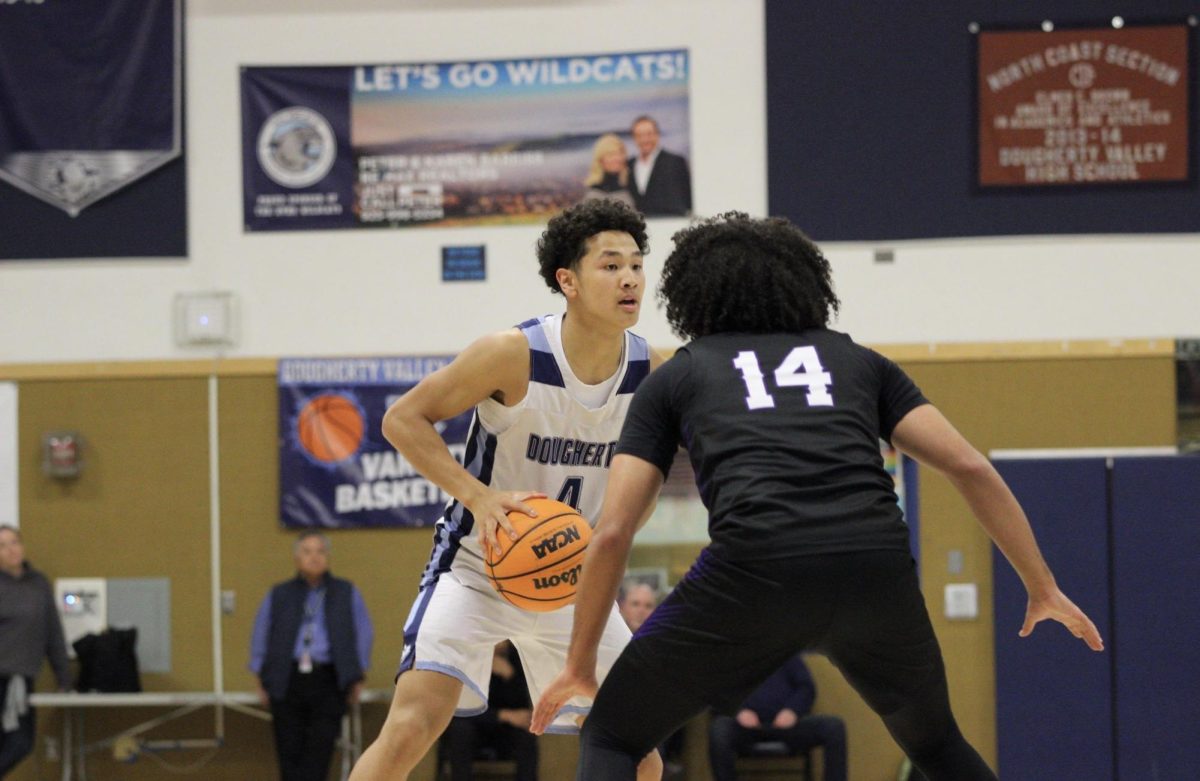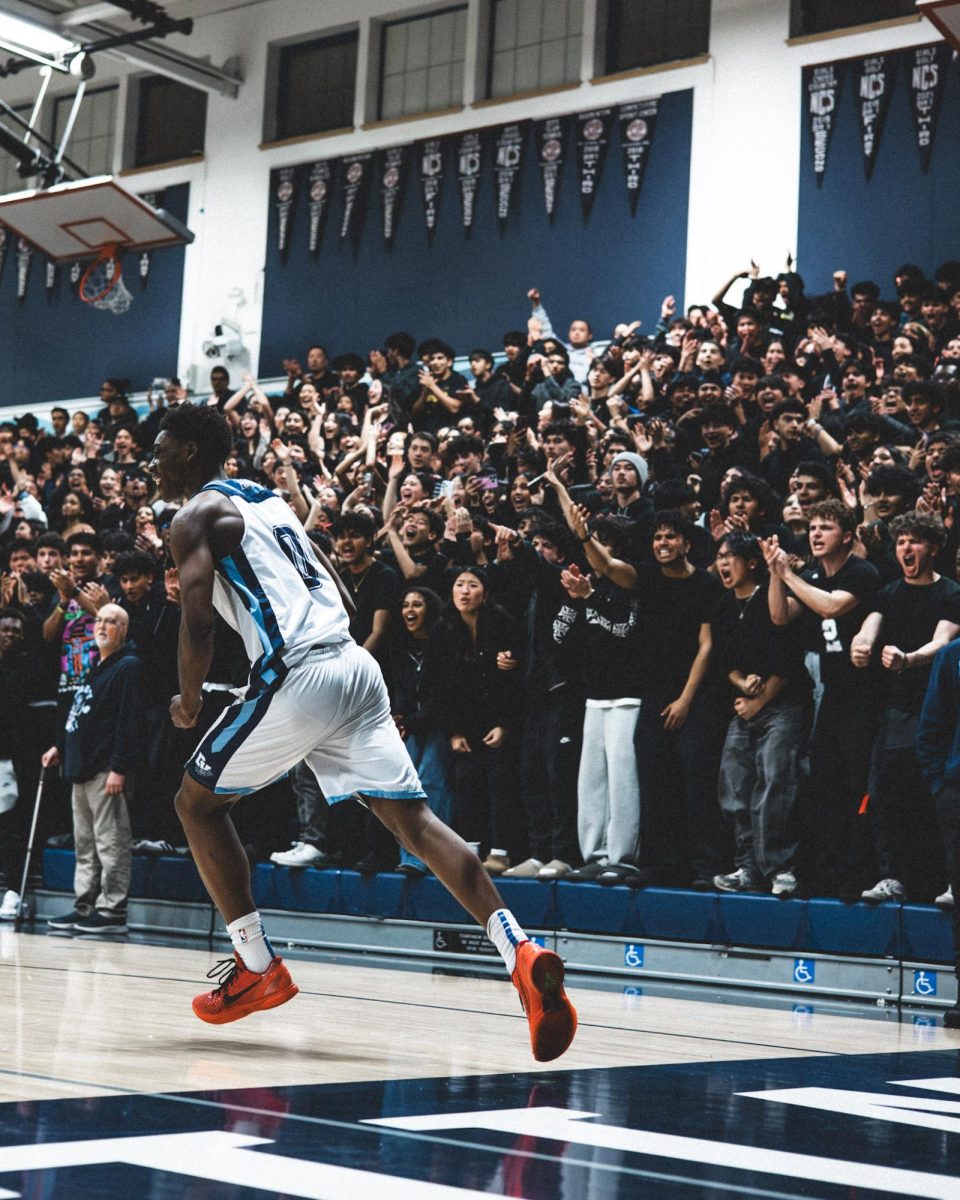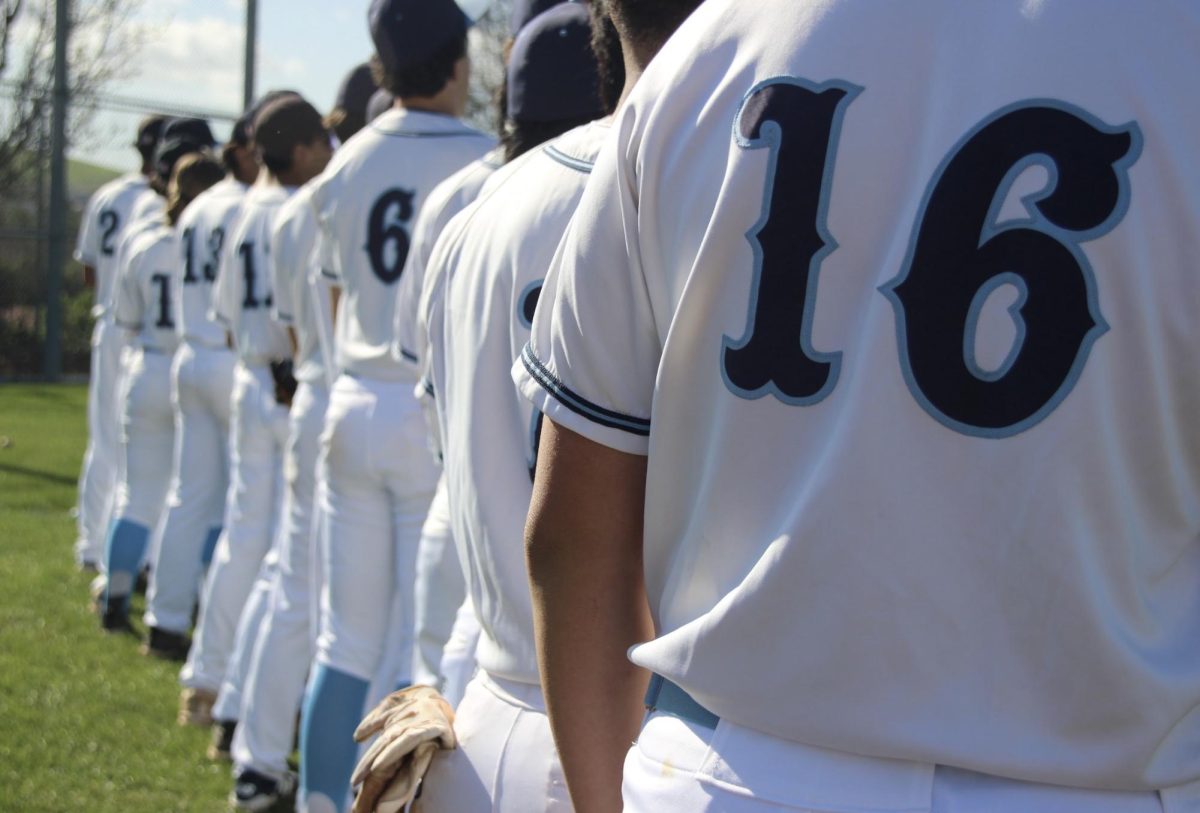
On game day, before lacing up their shoes or grabbing their water bottles, athletes start by putting on their jerseys. Stitched on the back of that jersey is a number that often carries a lot more meaning than people realize.
To people watching the games, jersey numbers may be just a way to tell players apart, but for the players, these numbers can represent memories, family, faith, motivation and even luck.
Many athletes say their numbers are more than random assignments. Some choose their numbers based on their birthdays. Others pick numbers worn by athletes who inspire them.
Junior Neha Anish, a JV womens lacrosse player who played her freshman and sophomore year, said her number carries its own unique story.
“Thirteen is usually considered unlucky, but I decided to make it my own lucky number,” Anish stated. “I earned the best defense awards both my freshman and sophomore season so I like to think my number 13 brought me a little bit of luck and confidence.”
Varsity soccer player Tessa de Guzman originally picked her number based on her birthday, but she was forced to change it. However, her number ended up growing on her.
“I was originally number 16 because of my birthday, but when I switched teams someone else already had it,” she said. “So I chose 19 since it’s basically the reverse of 16 and I’ve stuck with it ever since.”
Jersey numbers are a huge aspect of individualization in sports, and de Guzman elaborates on that as well.
“I could have picked the number 3, which would’ve been the number next to my friend’s, but I told myself that I’m playing for myself and not for my friends,” she said.
In professional sports, some jersey numbers are considered iconic. For example, in basketball, the number 23 is associated with Michael Jordan, who was legendary in the Chicago Bulls, and in baseball, the number 42 carries significance due to Jackie Robinson, who made history in the MLB by being the first African American player.
Sports psychologists explain that routines can boost confidence. When athletes believe something gives them luck or strength, whether it’s a pregame ritual or the number on their back, the belief can sharpen focus and improve performance. While the number won’t change the outcome of the game, the confidence tied to it can influence how an athlete performs under pressure. For de Guzman, preparation before a game is just as important as the number on her jersey.
“Before games I usually listen to music, drink Liquid I.V. and eat oatmeal and a banana,” she said. “It’s kind of my routine that helps me get locked in before the game starts.”
At its core, a jersey number is just a fabric stitched onto a uniform. Yet for the athletes who wear them, those numbers often hold stories that go far beyond the scoreboard and instead represent resilience and personal history.
Long after the final buzzer blares and the season ends, the memories attached to those numbers often remain. For many athletes, the number on their back is not just how others recognize them but a symbol of who they are when they step onto the field or court.